
 :
:
#PowellDovishRemarksReviveRateCutHopes
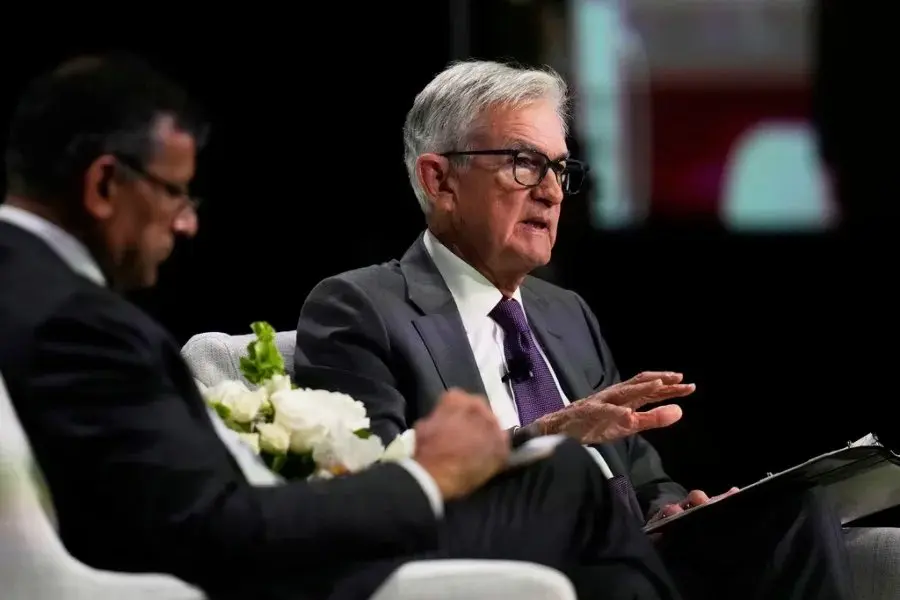
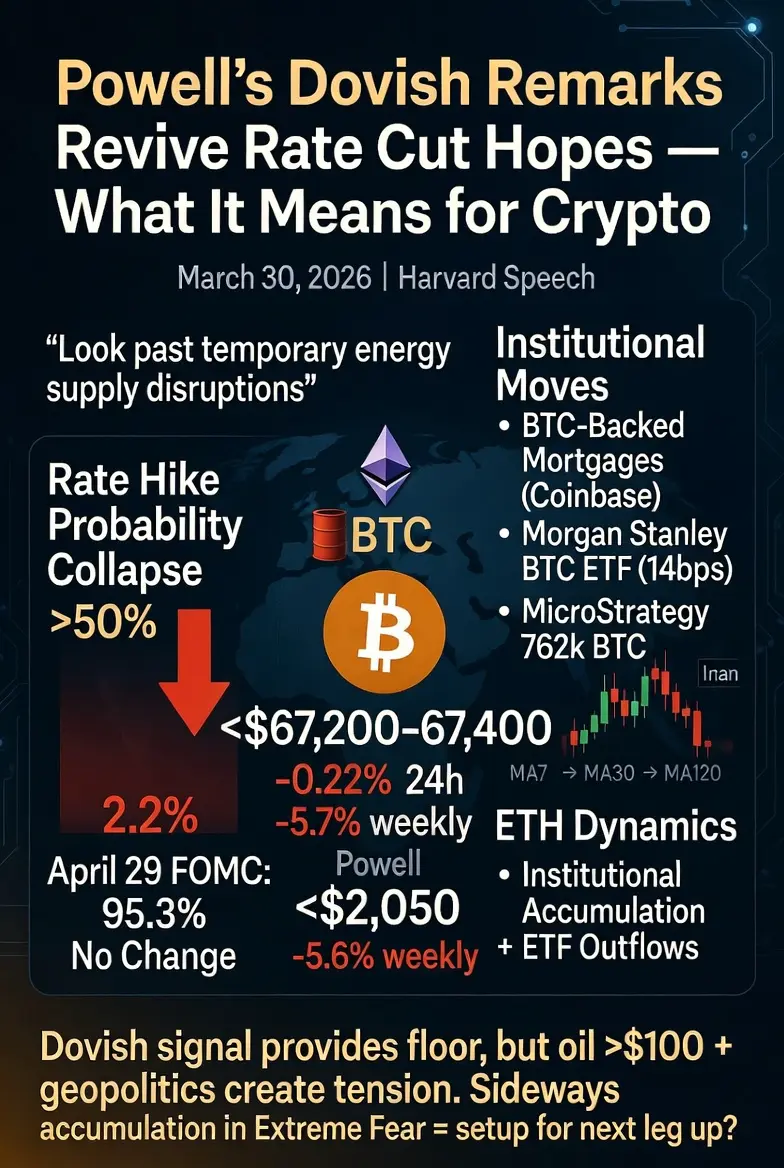
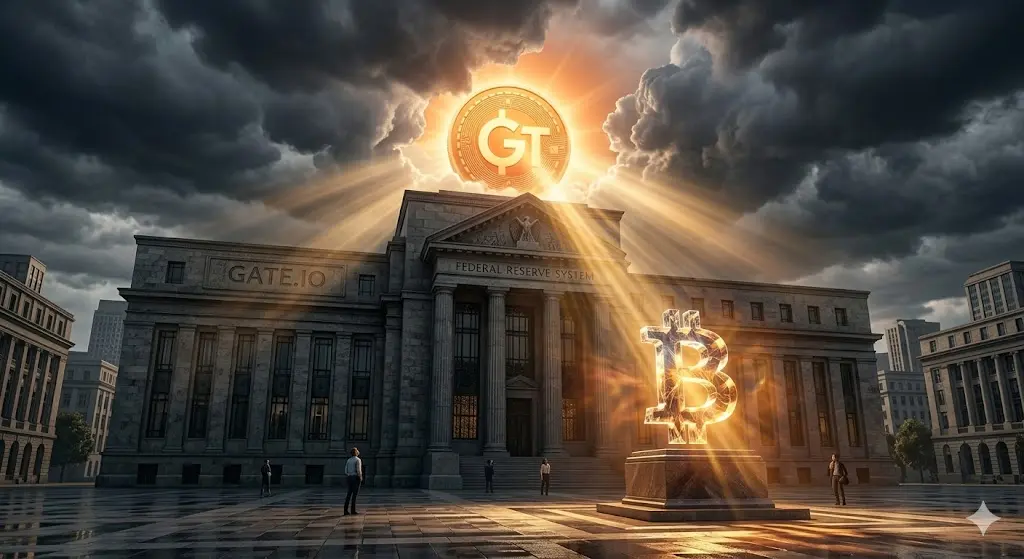
Federal Reserve Chairman Jerome Powell's dovish remarks at Harvard University have revived hopes for interest rate cuts. In a question-and-answer session during a macroeconomics class yesterday, Powell emphasized that the Fed is well-positioned to monitor the rise in energy prices stemming from the Iran conflict, indicating a wait-and-see approach. He stated that supply shocks in oil prices are generally temporary and that the Fed usually disregards such effects. Powell noted that downside risks to the labor market support lower interest rates, but upside risks to inflation require attention. He added that long-term inflation expectations appear well-anchored, suggesting that current policy is appropriate in this uncertain environment and does not necessitate an immediate rate hike. These comments immediately had a positive impact on financial markets, largely erasing expectations of rate hikes this year and reviving the possibility of rate cuts. At the Federal Open Market Committee meeting in March, the federal funds rate was kept stable between 3.50 and 3.75 percent, with a single quarter-point reduction projected for 2026. Although expectations of tightening had increased for a while due to geopolitical tensions, Powell's patient and data-driven tone showed investors that the Fed tends to maintain its current stance. Analysts generally considered the speech dovish, noting that it increased risk appetite and added momentum, especially in risky assets like cryptocurrencies. As markets now focus on incoming economic data and inflation dynamics, Powell's remarks offer a balanced policy outlook despite global uncertainties. These developments attract the attention of institutional investors, reinforcing long-term optimism and creating opportunities across the sector.
Federal Reserve Chairman Jerome Powell's dovish remarks at Harvard University have revived hopes for interest rate cuts. In a question-and-answer session during a macroeconomics class yesterday, Powell emphasized that the Fed is well-positioned to monitor the rise in energy prices stemming from the Iran conflict, indicating a wait-and-see approach. He stated that supply shocks in oil prices are generally temporary and that the Fed usually disregards such effects. Powell noted that downside risks to the labor market support lower interest rates, but upside risks to inflation require attention. He added that long-term inflation expectations appear well-anchored, suggesting that current policy is appropriate in this uncertain environment and does not necessitate an immediate rate hike. These comments immediately had a positive impact on financial markets, largely erasing expectations of rate hikes this year and reviving the possibility of rate cuts. At the Federal Open Market Committee meeting in March, the federal funds rate was kept stable between 3.50 and 3.75 percent, with a single quarter-point reduction projected for 2026. Although expectations of tightening had increased for a while due to geopolitical tensions, Powell's patient and data-driven tone showed investors that the Fed tends to maintain its current stance. Analysts generally considered the speech dovish, noting that it increased risk appetite and added momentum, especially in risky assets like cryptocurrencies. As markets now focus on incoming economic data and inflation dynamics, Powell's remarks offer a balanced policy outlook despite global uncertainties. These developments attract the attention of institutional investors, reinforcing long-term optimism and creating opportunities across the sector.