


Futures
Access hundreds of perpetual contracts
TradFi
Gold
One platform for global traditional assets
Options
Hot
Trade European-style vanilla options
Unified Account
Maximize your capital efficiency
Demo Trading
Introduction to Futures Trading
Learn the basics of futures trading
Futures Events
Join events to earn rewards
Demo Trading
Use virtual funds to practice risk-free trading
Launch
CandyDrop
Collect candies to earn airdrops
Launchpool
Quick staking, earn potential new tokens
HODLer Airdrop
Hold GT and get massive airdrops for free
Launchpad
Be early to the next big token project
Alpha Points
Trade on-chain assets and earn airdrops
Futures Points
Earn futures points and claim airdrop rewards


More





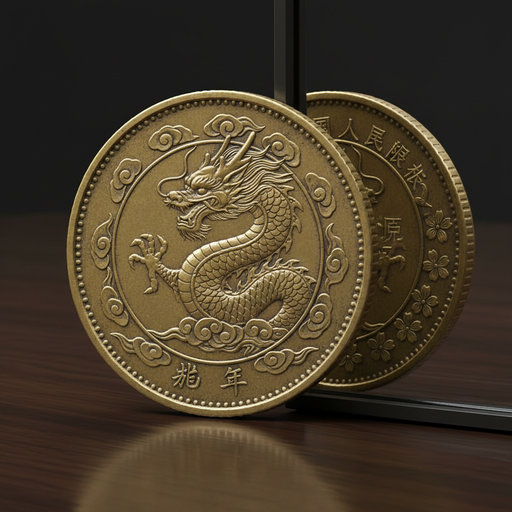
The Mysteries of Satoshi Nakamoto's First Wallets and the Bitcoin Journey
Since the emergence of Bitcoin in January 2009, some wallets have remained as historical relics that tell the story of the crypto revolution. Satoshi Nakamoto’s wallet represents not only the beginning of a currency, but the starting point of an entire shift in the global financial system. Exploring the three oldest wallets on the Bitcoin network means understanding the foundations of a technology that transformed the world of digital assets.
The Founding Wallet: Satoshi Nakamoto’s Legacy
Bitcoin’s creator left behind a wallet that remains as a symbol of the anonymous genius behind this technological revolution. Satoshi nakamoto’s wallet has the address 1A1zP1eP5QGefi2DMPTfTL5SLmv7DivfNa, which stores the first Bitcoins mined. In those early days, each mining block earned 50 BTC, and these seminal bitcoins were transferred to this historic address.
Surprisingly, the Bitcoins gathered in this satoshi nakamoto wallet grew to approximately 1.1 million BTC, valued at over $100 billion based on current quotes. These funds have remained completely inactive since 2011, when Satoshi disappeared from the public scene. No transactions have been recorded since then, turning this address into a kind of frozen treasure from the past.
The Genesis Block: The Second Historic Wallet
The second-oldest address comes from the Genesis Block itself, the first block of the Bitcoin blockchain, which was mined on January 3, 2009. This address - 1BvBMSEYstWetqTFn5Au4m4GFg7xJaNVN2 - also initially received 50 BTC as a mining reward, following the protocol established at the start.
Just like the satoshi nakamoto wallet, this Genesis Block address has remained dormant since the creation of Bitcoin. The Bitcoins have never been moved, staying in a state of digital preservation. This stillness creates a fascinating paradox: the longer time passes, the more valuable these frozen assets become—representing potential wealth that’s impossible to access or realize.
Hal Finney and the First Transaction: A Pioneering Receiver
Hal Finney, a software developer and visionary crypto-anarchist, holds a prominent place in Bitcoin history as the first recipient of a transaction made by Satoshi Nakamoto. This pioneer received 10 BTC in the operation that marked the practical functioning of blockchain technology, turning theory into reality.
His address 1AA6MpFpLvP3V4G3hHPGWuV1mH5pP5H1aa reached a total of approximately 9,000 BTC over the years. However, unlike the satoshi nakamoto and Genesis Block wallets, Hal Finney’s Bitcoins were later redistributed to various other wallets after his death in 2014. This movement marks a crucial difference in the history of these three historic addresses.
Historical Impact and Bitcoin’s Current Value
Together, these three wallets represent not only an extraordinary amount of digital wealth—considering that a single Bitcoin is now quoted at approximately $66.78 thousand—but also a living testimony to Bitcoin’s genesis. They remain immutable markers of a time when cryptography and decentralization were just revolutionary ideas.
Satoshi nakamoto’s wallet continues to be the ultimate symbol of this pioneering era, guarding secrets that may never be revealed about the intentions of its anonymous creator and the planned future for the coin that forever changed the concept of value and financial transfer.