
#美联储加息预期再起
The current macro environment has shifted from uncertainty to instability, and markets are reacting accordingly. Just weeks ago, expectations were centered around rate cuts and liquidity expansion, but now the narrative is changing rapidly toward the possibility of renewed tightening. This shift is not random—it reflects deeper structural fears around inflation persistence, geopolitical risk, and fragile global confidence. The 10-day pause in US-Iran tensions adds another layer of complexity, as markets struggle to interpret whether this is a genuine step toward de-escalation or merely a strategic delay before further escalation. In such conditions, price action across assets is no longer driven by fundamentals alone but by expectations, fear, and positioning.
Regarding the 10-day pause, it appears less like a stable diplomatic breakthrough and more like a tactical window. Historically, short-term pauses in geopolitical conflicts often serve strategic purposes rather than signaling resolution. The timing suggests an attempt to reassess positioning, manage international pressure, or prepare for the next phase of operations. Markets are not fully convinced by the pause, which is why risk sentiment remains fragile. If this were a genuine de-escalation, we would expect stronger recovery in risk assets and a clearer decline in safe-haven demand. Instead, we are seeing cautious reactions, indicating that participants are pricing in the possibility of renewed tension.
The more surprising development is the shift in Federal Reserve expectations. The idea of a potential rate hike in the current environment may seem counterintuitive, but it highlights the underlying concern about inflation reacceleration, especially if geopolitical conflict disrupts energy supply chains. If oil prices spike due to escalation, inflationary pressure could return quickly, forcing the Federal Reserve into a difficult position. In such a scenario, the central bank may prioritize inflation control over growth concerns, even if it risks slowing the economy further. This creates a highly unstable policy outlook, where both tightening and easing scenarios remain possible depending on how events unfold.
If the conflict escalates, the probability of a forced policy response increases significantly. Rising energy costs would directly impact inflation metrics, and market expectations would adjust rapidly. The bond market’s “panic mode” behavior already reflects this uncertainty, as yields react not just to current data but to future risks. A forced rate hike scenario would not necessarily mean aggressive tightening, but even a shift in tone could have strong effects on global liquidity and risk appetite. This is why markets are extremely sensitive right now—because the policy path is no longer clear.
In terms of positioning, a defensive yet flexible strategy appears most appropriate. Oil remains the most directly impacted asset in this situation. Any escalation could drive sharp upward moves due to supply concerns, making oil a strong candidate for short-term momentum trades. However, volatility will be high, so risk management is essential. Gold continues to act as a hedge against both geopolitical risk and monetary instability. In uncertain environments like this, it tends to attract capital seeking safety, although short-term fluctuations should still be expected.
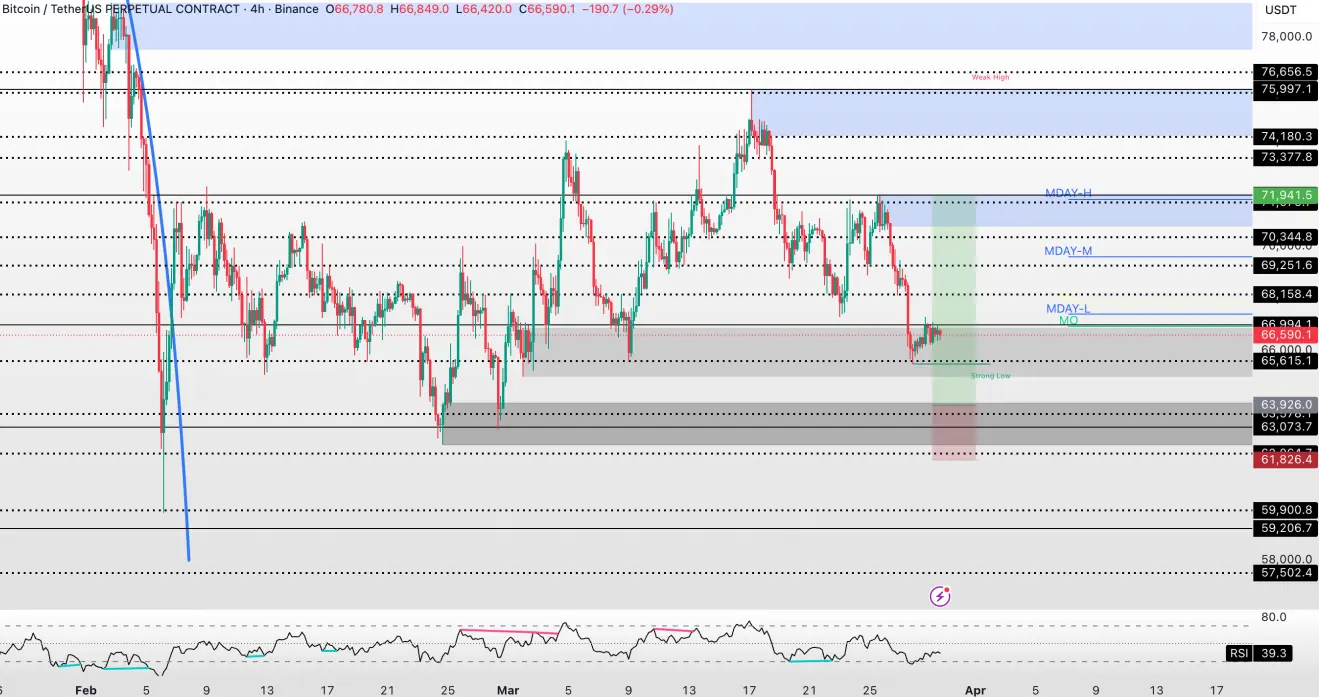
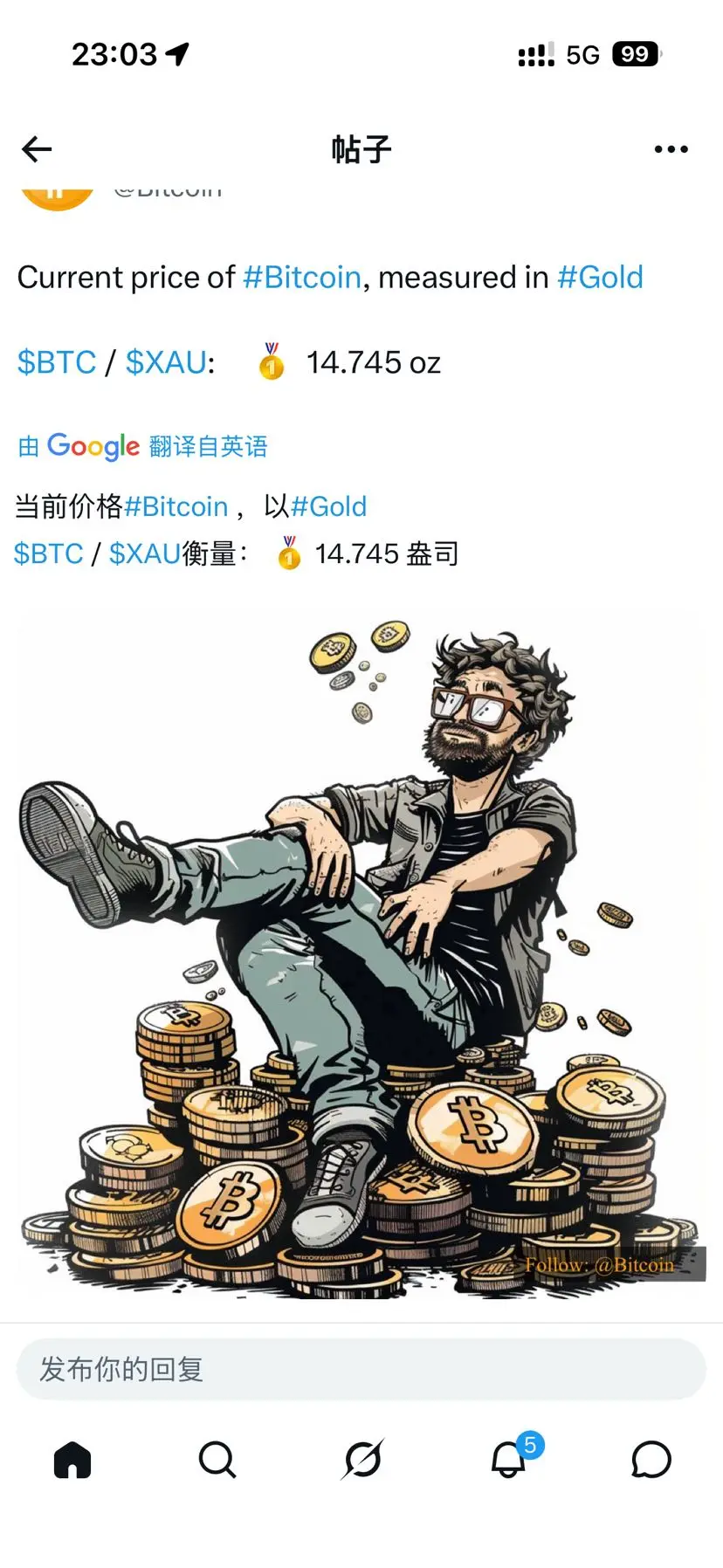
Bitcoin presents a more complex case. It is increasingly viewed as both a risk asset and a hedge, depending on the context. In the short term, it may follow broader market sentiment and react negatively to risk-off conditions. However, if confidence in traditional financial systems weakens or monetary policy becomes unpredictable, Bitcoin could benefit from its decentralized narrative. This dual nature makes it important to watch closely, particularly around key support and resistance levels.
Overall, the current market is defined by uncertainty rather than direction. The combination of geopolitical tension, shifting monetary expectations, and fragile sentiment creates an environment where aggressive positioning carries significant risk. The focus should be on adaptability—responding to developments rather than trying to predict them with certainty. Preserving capital while remaining ready to act on high-probability opportunities is likely the most effective approach in such conditions.
In moments like this, the market rewards discipline more than aggression. Whether the coming days bring escalation or stabilization, those who manage risk effectively and remain emotionally controlled will be in the strongest position to benefit when clearer trends emerge.
The current macro environment has shifted from uncertainty to instability, and markets are reacting accordingly. Just weeks ago, expectations were centered around rate cuts and liquidity expansion, but now the narrative is changing rapidly toward the possibility of renewed tightening. This shift is not random—it reflects deeper structural fears around inflation persistence, geopolitical risk, and fragile global confidence. The 10-day pause in US-Iran tensions adds another layer of complexity, as markets struggle to interpret whether this is a genuine step toward de-escalation or merely a strategic delay before further escalation. In such conditions, price action across assets is no longer driven by fundamentals alone but by expectations, fear, and positioning.
Regarding the 10-day pause, it appears less like a stable diplomatic breakthrough and more like a tactical window. Historically, short-term pauses in geopolitical conflicts often serve strategic purposes rather than signaling resolution. The timing suggests an attempt to reassess positioning, manage international pressure, or prepare for the next phase of operations. Markets are not fully convinced by the pause, which is why risk sentiment remains fragile. If this were a genuine de-escalation, we would expect stronger recovery in risk assets and a clearer decline in safe-haven demand. Instead, we are seeing cautious reactions, indicating that participants are pricing in the possibility of renewed tension.
The more surprising development is the shift in Federal Reserve expectations. The idea of a potential rate hike in the current environment may seem counterintuitive, but it highlights the underlying concern about inflation reacceleration, especially if geopolitical conflict disrupts energy supply chains. If oil prices spike due to escalation, inflationary pressure could return quickly, forcing the Federal Reserve into a difficult position. In such a scenario, the central bank may prioritize inflation control over growth concerns, even if it risks slowing the economy further. This creates a highly unstable policy outlook, where both tightening and easing scenarios remain possible depending on how events unfold.
If the conflict escalates, the probability of a forced policy response increases significantly. Rising energy costs would directly impact inflation metrics, and market expectations would adjust rapidly. The bond market’s “panic mode” behavior already reflects this uncertainty, as yields react not just to current data but to future risks. A forced rate hike scenario would not necessarily mean aggressive tightening, but even a shift in tone could have strong effects on global liquidity and risk appetite. This is why markets are extremely sensitive right now—because the policy path is no longer clear.
In terms of positioning, a defensive yet flexible strategy appears most appropriate. Oil remains the most directly impacted asset in this situation. Any escalation could drive sharp upward moves due to supply concerns, making oil a strong candidate for short-term momentum trades. However, volatility will be high, so risk management is essential. Gold continues to act as a hedge against both geopolitical risk and monetary instability. In uncertain environments like this, it tends to attract capital seeking safety, although short-term fluctuations should still be expected.
Bitcoin presents a more complex case. It is increasingly viewed as both a risk asset and a hedge, depending on the context. In the short term, it may follow broader market sentiment and react negatively to risk-off conditions. However, if confidence in traditional financial systems weakens or monetary policy becomes unpredictable, Bitcoin could benefit from its decentralized narrative. This dual nature makes it important to watch closely, particularly around key support and resistance levels.
Overall, the current market is defined by uncertainty rather than direction. The combination of geopolitical tension, shifting monetary expectations, and fragile sentiment creates an environment where aggressive positioning carries significant risk. The focus should be on adaptability—responding to developments rather than trying to predict them with certainty. Preserving capital while remaining ready to act on high-probability opportunities is likely the most effective approach in such conditions.
In moments like this, the market rewards discipline more than aggression. Whether the coming days bring escalation or stabilization, those who manage risk effectively and remain emotionally controlled will be in the strongest position to benefit when clearer trends emerge.