











#加密市场回升
Pause period of 20 years vs. short-term compromise? Do you think Iran will make key concessions?
My personal view is that Iran is less likely to make key concessions in the short term, but there is some limited tactical space for compromise.
On one hand, the maritime blockade launched by the U.S. can be described as extreme pressure—intercepting all ships entering or leaving Iranian ports, directly cutting off the lifeline of oil revenues. On the day negotiations broke down, WTI crude oil surged to $105.53 per barrel. But sanctions are a double-edged sword: blocking the Strait of Hormuz would disrupt nearly 20% of global oil transportation, and the resulting spike in oil prices would ultimately boomerang back on the U.S. economy itself. British Prime Minister Starmer has clearly stated that he does not support it. France even set up its own effort to organize a “Multinational Peace Operation.” Deep disagreements among allies greatly weaken the blockade’s actual deterrent effect.
On the other hand, Iran’s “resistance economics” has been tested many times already, and it is unlikely that it would give in in the short term. However, Trump has plans to visit China in mid-May. The U.S. does not want China to be pulled into the conflict, and it is also unlikely to intercept Chinese oil tankers—this objectively leaves a gap for Iran’s crude oil to keep being exported via China. The subsequent negotiation window remains open, and the next round of direct talks may be held on April 16 in Islamabad. The Iranian side may show cooperation on small-scope issues, but on core interests such as the nuclear issue, substantial concessions are basically out of the question.
How much do you see as the “ceiling” of this rebound?
This rebound right now is mainly a phase market driven by emotion-driven repair, and the “ceiling” is limited.
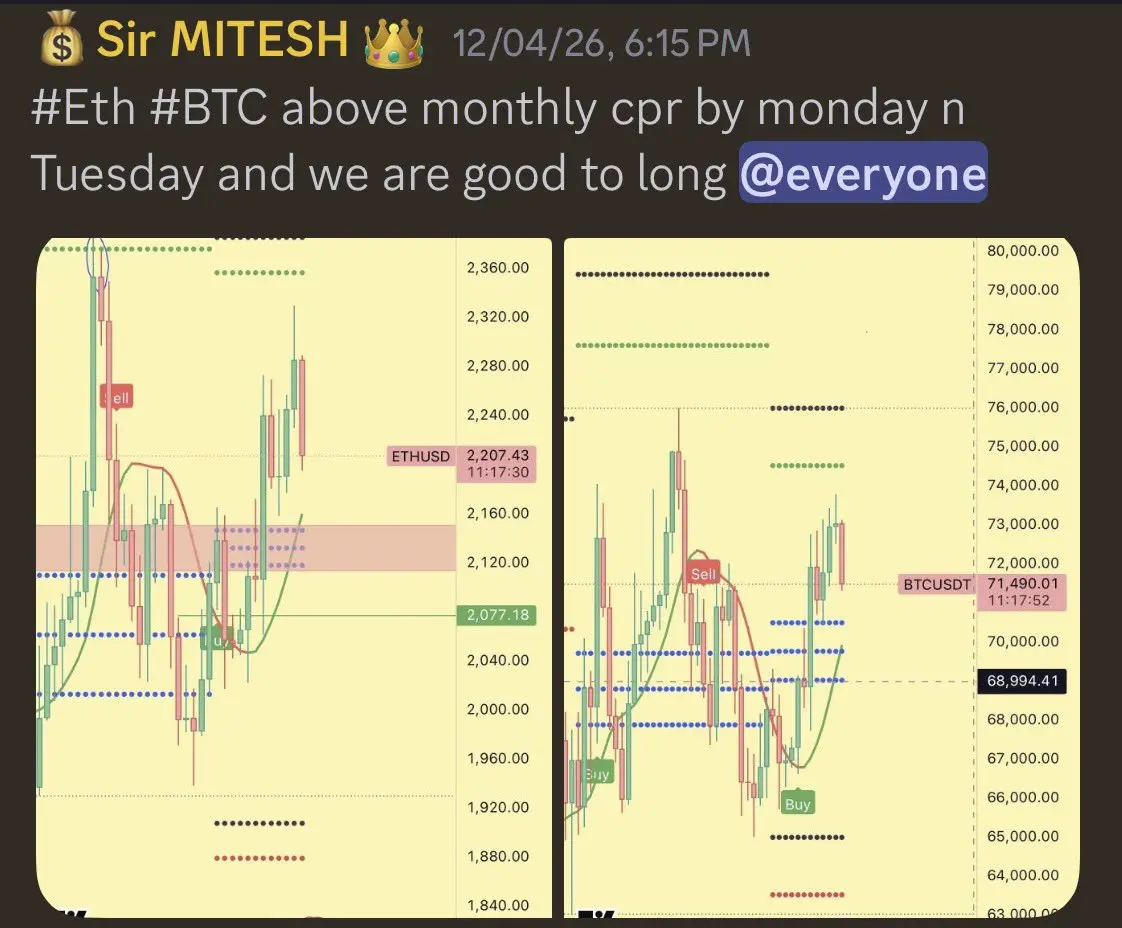
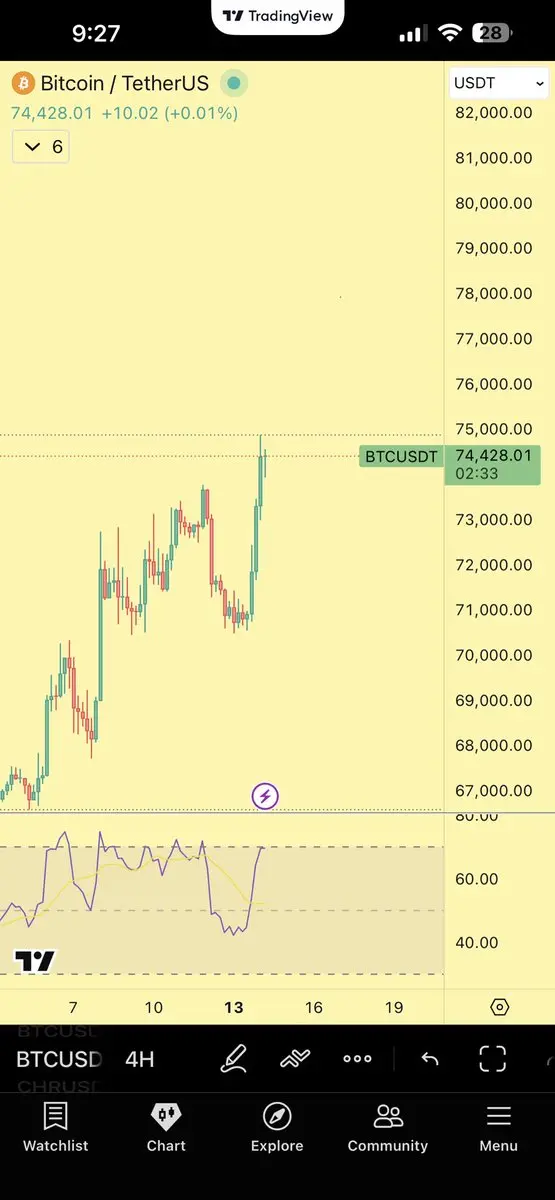
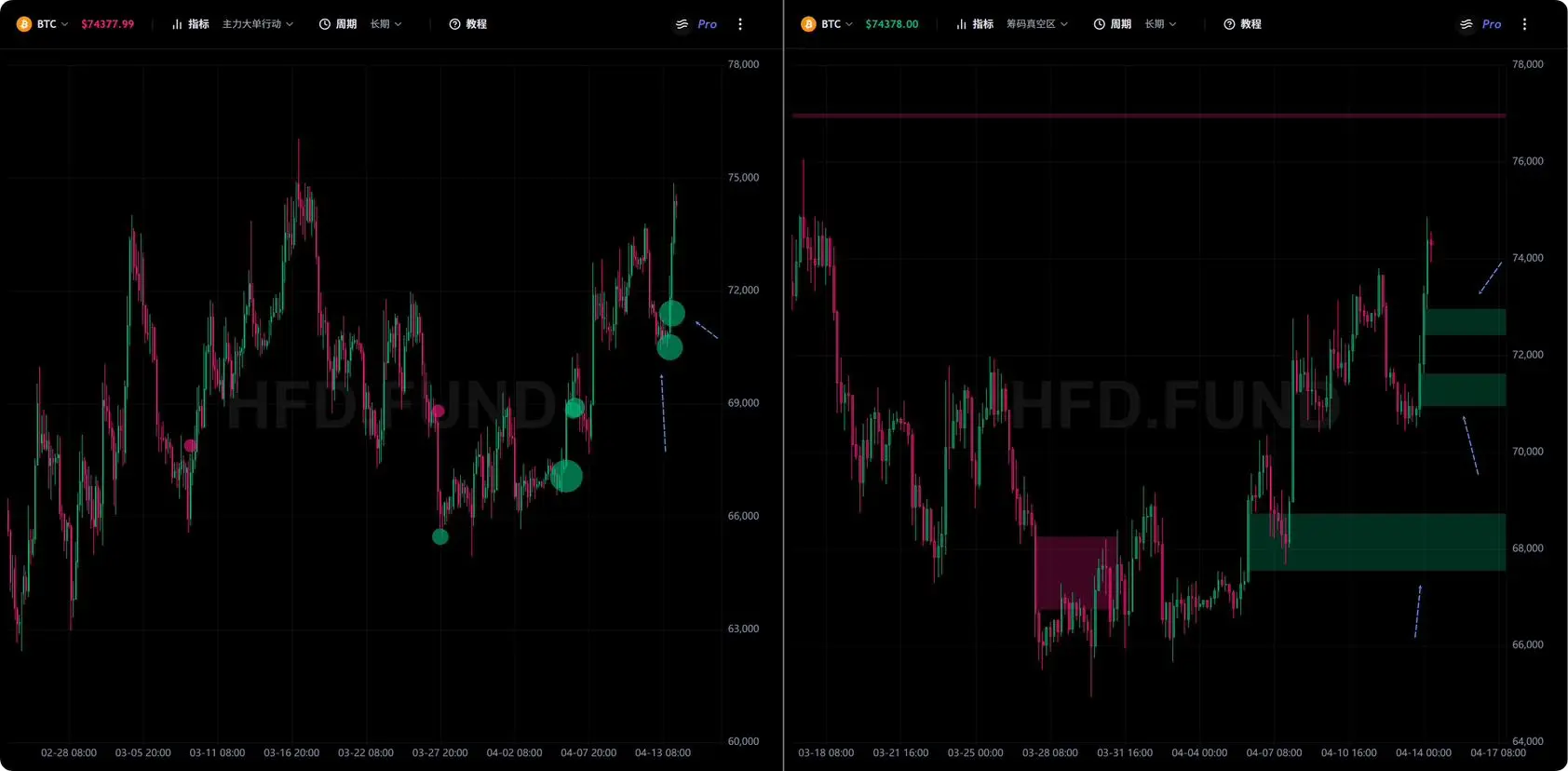
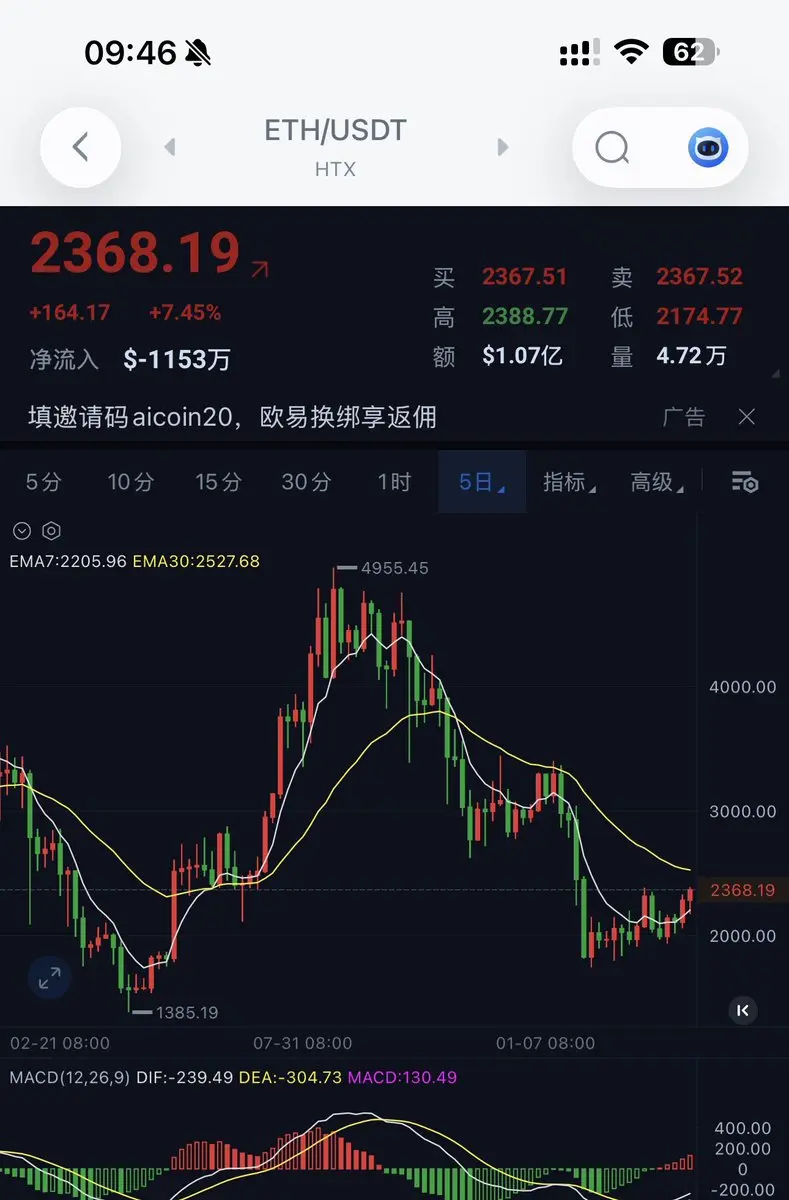
From the crypto market itself, BTC has broken above $74,000, with a 24-hour gain of 4.51%; ETH is up 7.56%; and the DeFi sector as a whole is up 5%, with Aave surging 10.75% and Lido DAO up nearly 10%. Market confidence has been boosted by rising expectations that the U.S. and Iran will reach an agreement, leading to quick capital inflows into high-beta assets. But if you break it down carefully, you can see that the actual implementation of an agreement is still far off. The ceasefire period is only two weeks—a tactical window rather than lasting peace—and the gap between both sides’ bottom lines remains huge.
From the liquidity environment, elevated oil prices are pushing up inflation expectations, and the room for the Federal Reserve to cut rates is being continuously squeezed. CME FedWatch shows that the probability the market assigns to rate cuts before the end of this year is only about 21%. With expectations of tighter liquidity, crypto assets as high-beta instruments face severe challenges to the sustainability of the rebound.
In the short term, BTC faces a psychological resistance zone at $75,000–$76,000. If substantial progress is reported in the next round of talks on April 16, the market may surge again; conversely, if the blockade persists and oil prices climb further to above $110, risk assets will face renewed pressure. Overall, the upper limit of this rebound is roughly around $78,000. The more likely scenario is range-bound volatility between $75,000 and $78,000, followed by waiting for a new direction to be chosen.
Given changes in the situation, how should the allocation ratios for crude oil, crypto assets, and precious metals be dynamically adjusted?
Against the backdrop of the current highly uncertain U.S.-Iran situation, it is recommended to adopt a “core + satellite” allocation approach: divide assets into three tiers and dynamically adjust the weights.
First tier: Crude oil— the core allocation direction for the current stage.
As long as the Strait of Hormuz blockade continues, the fundamental support for oil prices will be extremely solid. WTI crude oil has already returned above $97, and in some periods it has broken above $100. If the strait keeps closed, JPMorgan expects that global inventories will be completely exhausted around April 20; at that point, oil prices will very likely make another push higher. It is recommended that crude-oil-related assets account for 30%–35% of total positions, prioritizing oil ETFs with strong liquidity or oil and gas sector targets.
Second tier: Gold— a ballast for long-term safe-haven needs, but with insufficient short-term upside.
Gold has both safe-haven and inflation-hedging attributes, but the current market focus is that the rise in oil prices is suppressing the Federal Reserve’s monetary policy. This weakens gold’s attractiveness in the short term. From a long-term perspective, persistent purchases by global central banks and weakening confidence in fiat currency provide structural support. It is recommended that gold allocation be 15%–20%, mainly in physical gold or gold ETFs, as “insurance” against extreme scenarios.
Third tier: Crypto assets— high-beta, flexible instruments, mainly for swing trading.
Crypto assets are currently highly correlated with technology stocks such as the Nasdaq, making them extremely sensitive to liquidity and market sentiment. If oil prices keep climbing to above $110, liquidity will tighten further, and the crypto market will face greater downside pressure. It is recommended that crypto asset allocation not exceed 15%–20%, and be mainly concentrated in mainstream assets such as BTC and ETH. Strictly control leverage and set up stop-loss protection. In the current choppy market, swing-trading strategies such as trimming into rebounds and buying on pullbacks are more effective.
Principles for dynamic adjustment: Watch three key variables—the April 16 negotiation outcome in Islamabad (which directly determines the direction of sentiment), whether oil prices break above $110 (which affects liquidity expectations), and the communication style of statements by Federal Reserve officials. If oil prices break above $110 and stay there, promptly reduce allocations to crypto and equity assets and increase gold. If negotiations unexpectedly deliver a breakthrough and oil prices fall to below $90, you can moderately increase the proportion of risk assets and seize the rebound window.
Pause period of 20 years vs. short-term compromise? Do you think Iran will make key concessions?
My personal view is that Iran is less likely to make key concessions in the short term, but there is some limited tactical space for compromise.
On one hand, the maritime blockade launched by the U.S. can be described as extreme pressure—intercepting all ships entering or leaving Iranian ports, directly cutting off the lifeline of oil revenues. On the day negotiations broke down, WTI crude oil surged to $105.53 per barrel. But sanctions are a double-edged sword: blocking the Strait of Hormuz would disrupt nearly 20% of global oil transportation, and the resulting spike in oil prices would ultimately boomerang back on the U.S. economy itself. British Prime Minister Starmer has clearly stated that he does not support it. France even set up its own effort to organize a “Multinational Peace Operation.” Deep disagreements among allies greatly weaken the blockade’s actual deterrent effect.
On the other hand, Iran’s “resistance economics” has been tested many times already, and it is unlikely that it would give in in the short term. However, Trump has plans to visit China in mid-May. The U.S. does not want China to be pulled into the conflict, and it is also unlikely to intercept Chinese oil tankers—this objectively leaves a gap for Iran’s crude oil to keep being exported via China. The subsequent negotiation window remains open, and the next round of direct talks may be held on April 16 in Islamabad. The Iranian side may show cooperation on small-scope issues, but on core interests such as the nuclear issue, substantial concessions are basically out of the question.
How much do you see as the “ceiling” of this rebound?
This rebound right now is mainly a phase market driven by emotion-driven repair, and the “ceiling” is limited.
From the crypto market itself, BTC has broken above $74,000, with a 24-hour gain of 4.51%; ETH is up 7.56%; and the DeFi sector as a whole is up 5%, with Aave surging 10.75% and Lido DAO up nearly 10%. Market confidence has been boosted by rising expectations that the U.S. and Iran will reach an agreement, leading to quick capital inflows into high-beta assets. But if you break it down carefully, you can see that the actual implementation of an agreement is still far off. The ceasefire period is only two weeks—a tactical window rather than lasting peace—and the gap between both sides’ bottom lines remains huge.
From the liquidity environment, elevated oil prices are pushing up inflation expectations, and the room for the Federal Reserve to cut rates is being continuously squeezed. CME FedWatch shows that the probability the market assigns to rate cuts before the end of this year is only about 21%. With expectations of tighter liquidity, crypto assets as high-beta instruments face severe challenges to the sustainability of the rebound.
In the short term, BTC faces a psychological resistance zone at $75,000–$76,000. If substantial progress is reported in the next round of talks on April 16, the market may surge again; conversely, if the blockade persists and oil prices climb further to above $110, risk assets will face renewed pressure. Overall, the upper limit of this rebound is roughly around $78,000. The more likely scenario is range-bound volatility between $75,000 and $78,000, followed by waiting for a new direction to be chosen.
Given changes in the situation, how should the allocation ratios for crude oil, crypto assets, and precious metals be dynamically adjusted?
Against the backdrop of the current highly uncertain U.S.-Iran situation, it is recommended to adopt a “core + satellite” allocation approach: divide assets into three tiers and dynamically adjust the weights.
First tier: Crude oil— the core allocation direction for the current stage.
As long as the Strait of Hormuz blockade continues, the fundamental support for oil prices will be extremely solid. WTI crude oil has already returned above $97, and in some periods it has broken above $100. If the strait keeps closed, JPMorgan expects that global inventories will be completely exhausted around April 20; at that point, oil prices will very likely make another push higher. It is recommended that crude-oil-related assets account for 30%–35% of total positions, prioritizing oil ETFs with strong liquidity or oil and gas sector targets.
Second tier: Gold— a ballast for long-term safe-haven needs, but with insufficient short-term upside.
Gold has both safe-haven and inflation-hedging attributes, but the current market focus is that the rise in oil prices is suppressing the Federal Reserve’s monetary policy. This weakens gold’s attractiveness in the short term. From a long-term perspective, persistent purchases by global central banks and weakening confidence in fiat currency provide structural support. It is recommended that gold allocation be 15%–20%, mainly in physical gold or gold ETFs, as “insurance” against extreme scenarios.
Third tier: Crypto assets— high-beta, flexible instruments, mainly for swing trading.
Crypto assets are currently highly correlated with technology stocks such as the Nasdaq, making them extremely sensitive to liquidity and market sentiment. If oil prices keep climbing to above $110, liquidity will tighten further, and the crypto market will face greater downside pressure. It is recommended that crypto asset allocation not exceed 15%–20%, and be mainly concentrated in mainstream assets such as BTC and ETH. Strictly control leverage and set up stop-loss protection. In the current choppy market, swing-trading strategies such as trimming into rebounds and buying on pullbacks are more effective.
Principles for dynamic adjustment: Watch three key variables—the April 16 negotiation outcome in Islamabad (which directly determines the direction of sentiment), whether oil prices break above $110 (which affects liquidity expectations), and the communication style of statements by Federal Reserve officials. If oil prices break above $110 and stay there, promptly reduce allocations to crypto and equity assets and increase gold. If negotiations unexpectedly deliver a breakthrough and oil prices fall to below $90, you can moderately increase the proportion of risk assets and seize the rebound window.