

#AllbirdsPivotstoAI 1. The Diplomatic "Talk Soft" Track
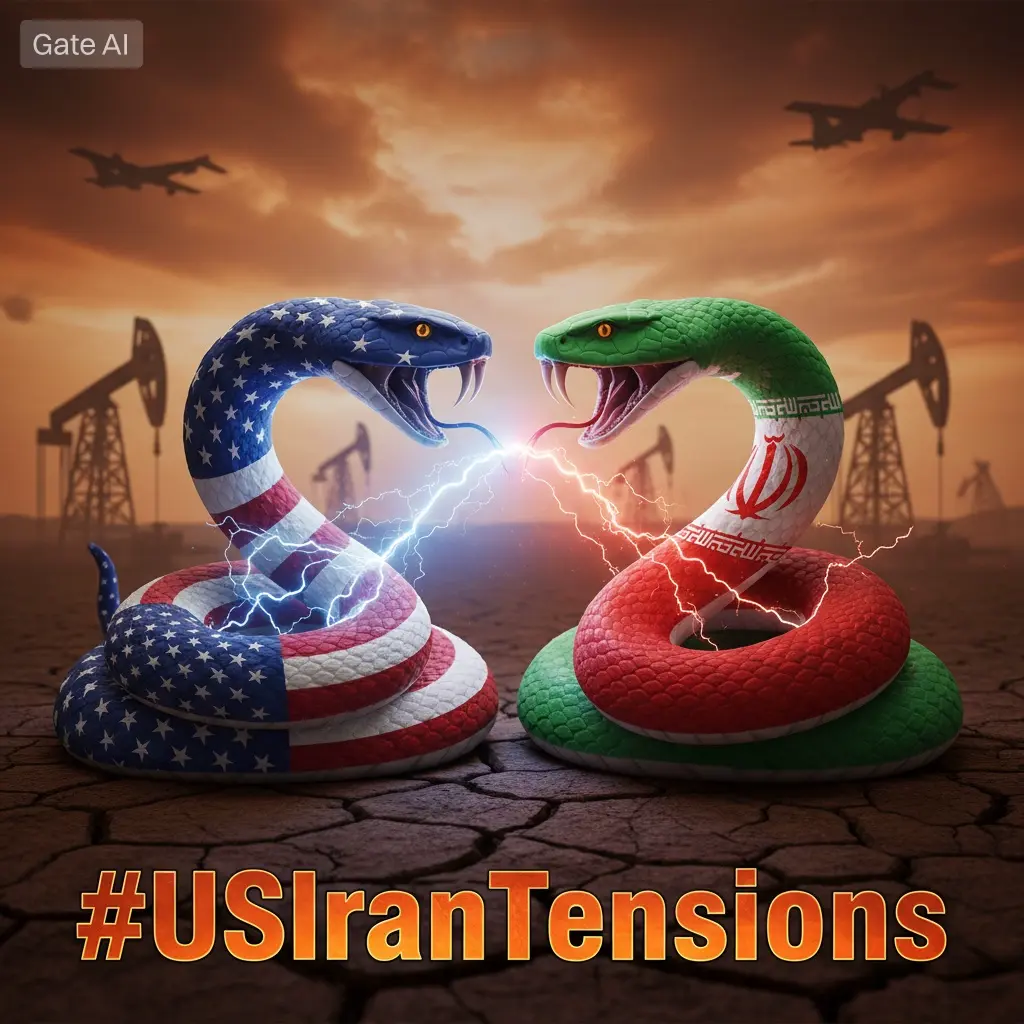
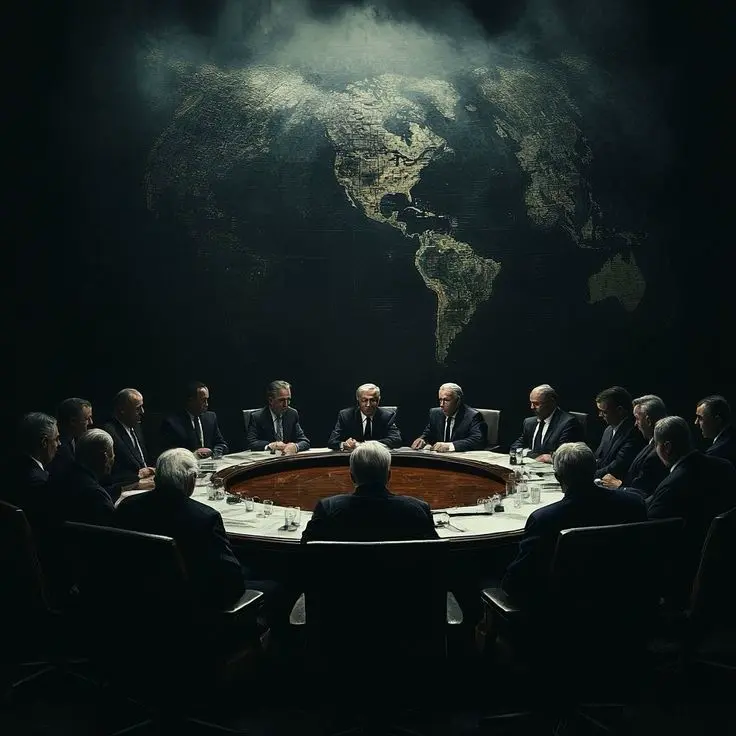
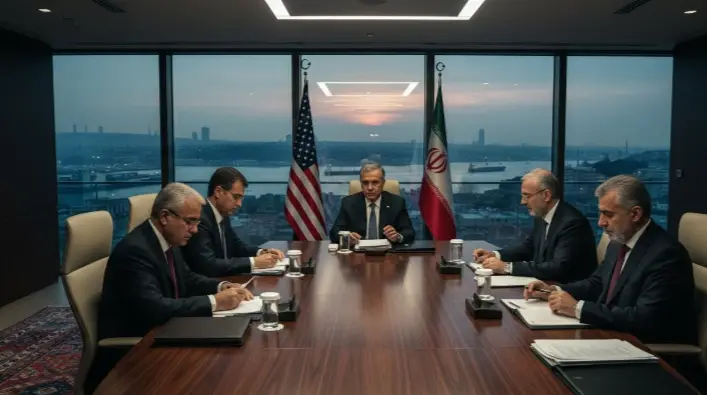
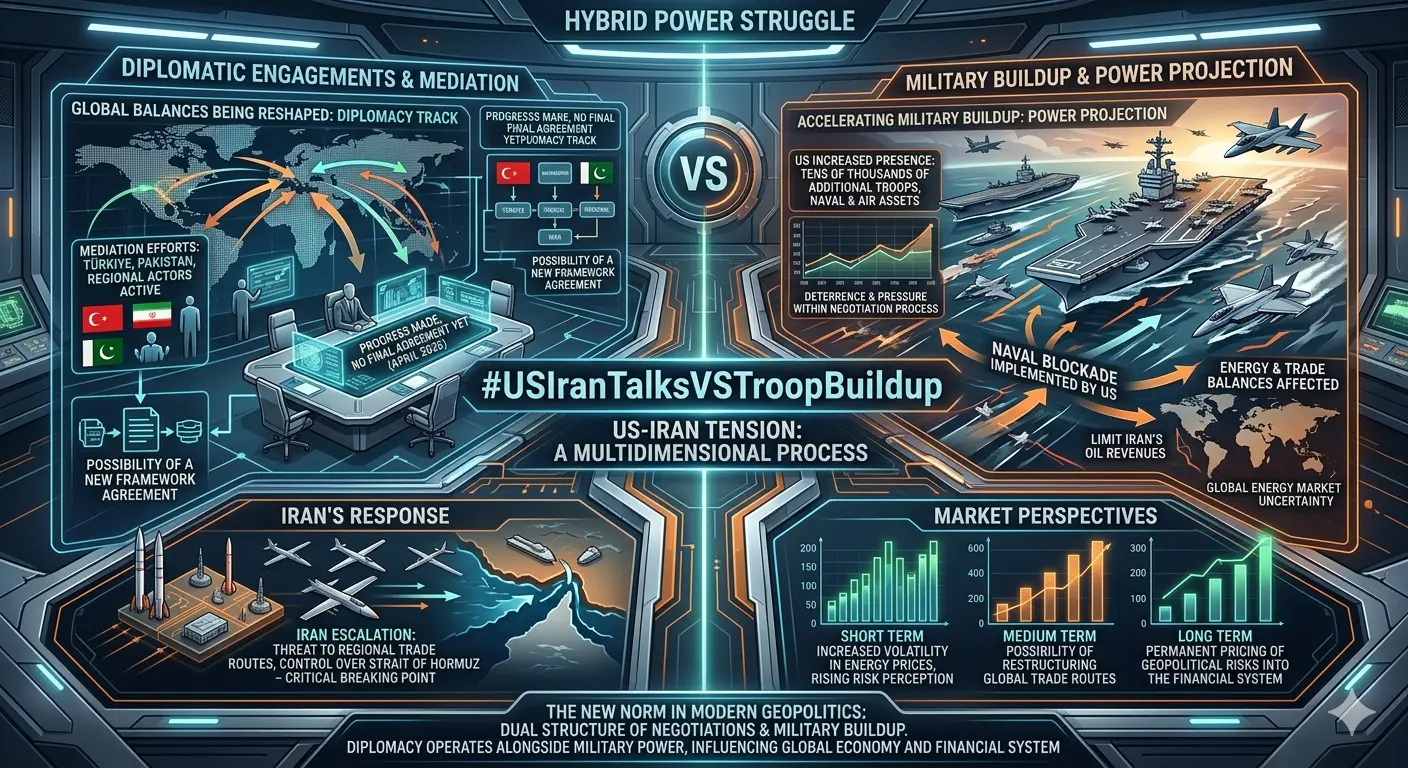
Despite the heavy military posture, the diplomatic channels in Islamabad remain the primary release valve.
The Ceasefire Extension: There is a heavy push, led by Pakistani mediation, to extend the current two-week ceasefire by another 45 days. While the White House has publicly expressed optimism about a deal, the rhetoric remains guarded.
The "Final Offer": Following the marathon 21-hour session between Vice President Vance and Iranian Speaker Ghalibaf, the U.S. has termed its current proposal the "final and best offer," specifically demanding a verifiable commitment against nuclear weapon development.
2. The Military "Move Hard" Track
The "pressure" you noted is physically represented by a massive naval and ground presence intended to "frame" the negotiations.
The Three-Carrier Posture: The USS George H.W. Bush has joined the USS Abraham Lincoln and the USS Gerald R. Ford (currently under repair but part of the regional architecture). This creates a "distributed strike architecture" capable of hundreds of sorties per day across the Red Sea, Arabian Sea, and Eastern Mediterranean.
Strait of Hormuz Blockade: The U.S. has signaled it will begin a blockade of Iranian ports following the stall in talks, specifically deploying minesweeping ships to the Strait of Hormuz to ensure "freedom of navigation" while simultaneously squeezing Iran’s economic lifeblood.
3. Market and Macro Implications
The "synchronized tension" you highlighted is already triggering the volatility we expected:
Energy Markets: Oil prices saw a massive spike following the initial "no-deal" report from the Islamabad talks. WTI surged to $104/barrel and Brent hit $102, reflecting a nearly 8% jump in minutes as traders priced in the risk of a collapsed ceasefire.
Risk-Off Sentiment: While defense sectors are seeing increased activity, broader markets are in a holding pattern. The "asymmetric response" in refined products suggests that while a temporary truce brings relief, the underlying structural risk (the "shadow of force") keeps the geopolitical premium high.
Despite the heavy military posture, the diplomatic channels in Islamabad remain the primary release valve.
The Ceasefire Extension: There is a heavy push, led by Pakistani mediation, to extend the current two-week ceasefire by another 45 days. While the White House has publicly expressed optimism about a deal, the rhetoric remains guarded.
The "Final Offer": Following the marathon 21-hour session between Vice President Vance and Iranian Speaker Ghalibaf, the U.S. has termed its current proposal the "final and best offer," specifically demanding a verifiable commitment against nuclear weapon development.
2. The Military "Move Hard" Track
The "pressure" you noted is physically represented by a massive naval and ground presence intended to "frame" the negotiations.
The Three-Carrier Posture: The USS George H.W. Bush has joined the USS Abraham Lincoln and the USS Gerald R. Ford (currently under repair but part of the regional architecture). This creates a "distributed strike architecture" capable of hundreds of sorties per day across the Red Sea, Arabian Sea, and Eastern Mediterranean.
Strait of Hormuz Blockade: The U.S. has signaled it will begin a blockade of Iranian ports following the stall in talks, specifically deploying minesweeping ships to the Strait of Hormuz to ensure "freedom of navigation" while simultaneously squeezing Iran’s economic lifeblood.
3. Market and Macro Implications
The "synchronized tension" you highlighted is already triggering the volatility we expected:
Energy Markets: Oil prices saw a massive spike following the initial "no-deal" report from the Islamabad talks. WTI surged to $104/barrel and Brent hit $102, reflecting a nearly 8% jump in minutes as traders priced in the risk of a collapsed ceasefire.
Risk-Off Sentiment: While defense sectors are seeing increased activity, broader markets are in a holding pattern. The "asymmetric response" in refined products suggests that while a temporary truce brings relief, the underlying structural risk (the "shadow of force") keeps the geopolitical premium high.