
Futures
Access hundreds of perpetual contracts
TradFi
Gold
One platform for global traditional assets
Options
Hot
Trade European-style vanilla options
Unified Account
Maximize your capital efficiency
Demo Trading
Introduction to Futures Trading
Learn the basics of futures trading
Futures Events
Join events to earn rewards
Demo Trading
Use virtual funds to practice risk-free trading
Launch
CandyDrop
Collect candies to earn airdrops
Launchpool
Quick staking, earn potential new tokens
HODLer Airdrop
Hold GT and get massive airdrops for free
Pre-IPOs
Unlock full access to global stock IPOs
Alpha Points
Trade on-chain assets and earn airdrops
Futures Points
Earn futures points and claim airdrop rewards


More


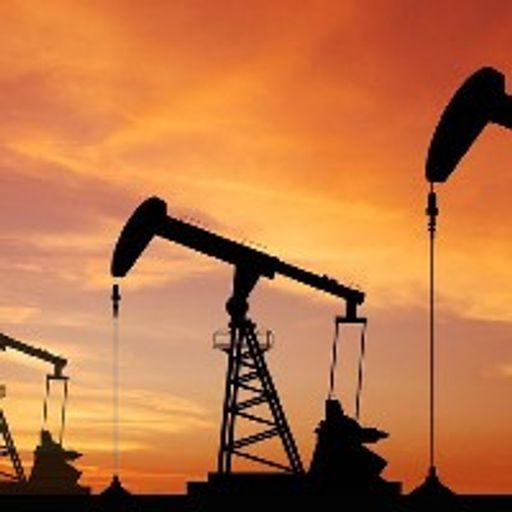

Geopolitical Update | US-Iran Tensions Escalate: Hormuz Blockade and Market Implications
As of April 12, 2026, President Donald Trump has directed the U.S. Navy to initiate a blockade of the Strait of Hormuz, effective immediately. This follows the collapse of high-stakes peace negotiations in Islamabad, Pakistan, after approximately 21 hours of direct talks mediated by Pakistani officials.
The discussions, aimed at converting the fragile two-week ceasefire (announced April 8 and due to expire on April 22) into a lasting agreement, ended without resolution. Key sticking points included verifiable limits on Iran’s nuclear program and the free flow of shipping through the Strait.
Prediction markets are currently pricing in only a ~28% probability of a comprehensive US-Iran peace deal by May 31.
Strategic Context
The Strait of Hormuz remains one of the world’s most critical energy chokepoints, with roughly $730 billion in annual oil flows historically transiting the waterway. The U.S. move is framed as a response to Iran’s use of the strait for leverage during the ceasefire period. By placing these flows under direct U.S. naval oversight, Washington seeks to neutralize that leverage and restore freedom of navigation.
Market Outlook – Next 24–48 Hours
This is not symbolic posturing; it is an operational shift. Markets are now pricing duration risk rather than headline noise.
Light Scenario: Short-term pressure tactics → temporary oil spike, followed by de-escalation if shipping resumes.
Base Scenario: Real delays and inspections → sustained risk premium in Brent crude, higher shipping costs, and secondary effects on inflation-sensitive assets.
High-Impact Scenario: Prolonged enforcement → broader regime shift in energy security, with potential spillover to global equities, risk assets, and monetary policy expectations.
Brent has already built in a significant war-risk premium in recent weeks. Any confirmation that the blockade is actively enforced could accelerate this repricing, particularly as we approach Monday’s open.
Bottom Line
The coming hours will determine whether this remains a calibrated escalation or evolves into a more protracted disruption to global energy flows. While a diplomatic off-ramp is still possible, the window is narrowing.
We will continue to monitor developments in real time. In an environment where geopolitics and macro intersect this directly, disciplined risk management remains paramount.
Stay informed. Trade accordingly.
⚠️Don't Forget to mark Stoploss and manage risk properly.
👉NFA
👉DYOR
#USIranCeasefireTalksFaceSetbacks
#OilEdgesHigher
#GateSquareAprilPostingChallenge