
Futures
Access hundreds of perpetual contracts
TradFi
Gold
One platform for global traditional assets
Options
Hot
Trade European-style vanilla options
Unified Account
Maximize your capital efficiency
Demo Trading
Introduction to Futures Trading
Learn the basics of futures trading
Futures Events
Join events to earn rewards
Demo Trading
Use virtual funds to practice risk-free trading
Launch
CandyDrop
Collect candies to earn airdrops
Launchpool
Quick staking, earn potential new tokens
HODLer Airdrop
Hold GT and get massive airdrops for free
Pre-IPOs
Unlock full access to global stock IPOs
Alpha Points
Trade on-chain assets and earn airdrops
Futures Points
Earn futures points and claim airdrop rewards


More


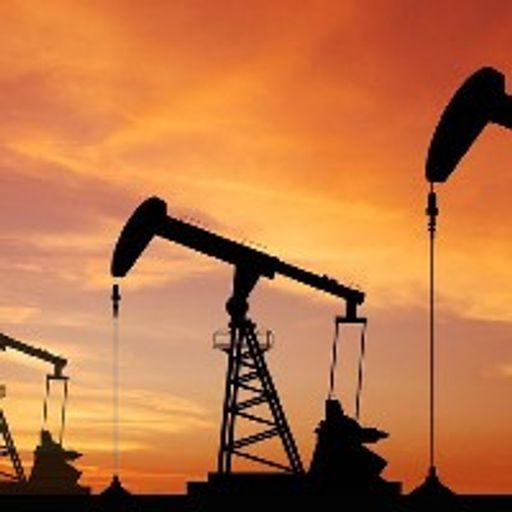


#OilEdgesHigher A Subtle Move with Significant Global Impact
The recent trend captured by #OilEdgesHigher reflects a gradual but meaningful increase in global oil prices. While the rise may appear modest on the surface, it is driven by a complex mix of supply constraints, geopolitical developments, and shifting demand patterns. This movement carries important implications not only for energy markets but also for inflation, economic growth, and financial stability worldwide.
1. Understanding the Price Movement
Oil prices rarely move in isolation. Even a slight upward trend often signals underlying structural changes. The “edge higher” movement suggests:
A tightening balance between supply and demand
Increased sensitivity to geopolitical risks
Market anticipation of future shortages
Unlike sharp spikes, gradual increases tend to be more sustainable and can indicate a longer-term upward trajectory.
2. Supply-Side Constraints
One of the primary drivers behind rising oil prices is restricted supply. Key factors include:
Production discipline by major oil-exporting nations
Limited output increases despite rising demand
Ongoing underinvestment in oil exploration and infrastructure
Many producers are prioritizing price stability over aggressive output expansion, which keeps supply relatively tight and supports higher prices.
3. Geopolitical Influences
Geopolitics plays a critical role in oil pricing. The #OilEdgesHigher trend is influenced by:
Tensions in key oil-producing regions
Uncertainty around sanctions and trade restrictions
Disruptions in global shipping routes
Even the possibility of conflict or supply disruption can push prices higher, as markets price in risk premiums.
4. Demand Dynamics and Economic Activity
On the demand side, global consumption remains resilient:
Emerging economies continue to drive energy demand
Industrial activity and transportation needs remain strong
Seasonal demand cycles (e.g., summer travel, winter heating) add pressure
Despite concerns about economic slowdowns, oil demand has not weakened significantly, contributing to upward price momentum.
5. Inflationary Impact
Rising oil prices are closely linked to inflation. As energy costs increase:
Transportation becomes more expensive
Manufacturing and production costs rise
Consumer prices for goods and services increase
This creates a ripple effect across the economy, making oil a key driver of headline inflation metrics.
6. Central Bank and Policy Implications
Higher oil prices complicate monetary policy decisions:
Central banks may delay interest rate cuts
Inflation control becomes more challenging
Economic growth may slow due to higher costs
Policymakers must balance controlling inflation with maintaining economic momentum, making oil price trends highly influential.
7. Impact on Financial Markets
The #OilEdgesHigher trend has cross-market implications:
Energy stocks often benefit from higher prices
Airline and transportation sectors face margin pressure
Commodity markets see increased volatility
Investors closely monitor oil trends as they influence equities, currencies, and global trade flows.
8. Energy Transition and Long-Term Considerations
Interestingly, rising oil prices also affect the transition to renewable energy:
Higher fossil fuel costs can accelerate investment in renewables
Governments may push for energy diversification
Companies may reassess long-term energy strategies
However, in the short term, the global economy remains heavily dependent on oil, limiting the speed of transition.
9. Market Sentiment and Speculation
Oil markets are also driven by sentiment and speculation:
Traders react to news, forecasts, and geopolitical signals
Futures markets amplify price movements
Hedge funds and institutional players influence short-term trends
This adds another layer of complexity, where perception can sometimes move prices as much as fundamentals.
10. Future Outlook
Looking ahead, several scenarios could shape oil prices:
Continued supply discipline may push prices higher
Economic slowdown could limit demand growth
Geopolitical stability may reduce risk premiums
The most likely outcome is continued volatility with an upward bias, especially if supply remains constrained.
Conclusion
#OilEdgesHigher is more than a minor price movement—it is a reflection of deeper structural forces shaping the global energy market. From supply limitations and geopolitical tensions to inflation and policy challenges, oil remains at the center of the global economic system.
As prices edge higher, the impact extends far beyond the energy sector, influencing everything from household expenses to international trade. In a world still heavily reliant on oil, even gradual increases carry significant and far-reaching consequences.