


Futures
Access hundreds of perpetual contracts
TradFi
Gold
One platform for global traditional assets
Options
Hot
Trade European-style vanilla options
Unified Account
Maximize your capital efficiency
Demo Trading
Introduction to Futures Trading
Learn the basics of futures trading
Futures Events
Join events to earn rewards
Demo Trading
Use virtual funds to practice risk-free trading
Launch
CandyDrop
Collect candies to earn airdrops
Launchpool
Quick staking, earn potential new tokens
HODLer Airdrop
Hold GT and get massive airdrops for free
Launchpad
Be early to the next big token project
Alpha Points
Trade on-chain assets and earn airdrops
Futures Points
Earn futures points and claim airdrop rewards


More





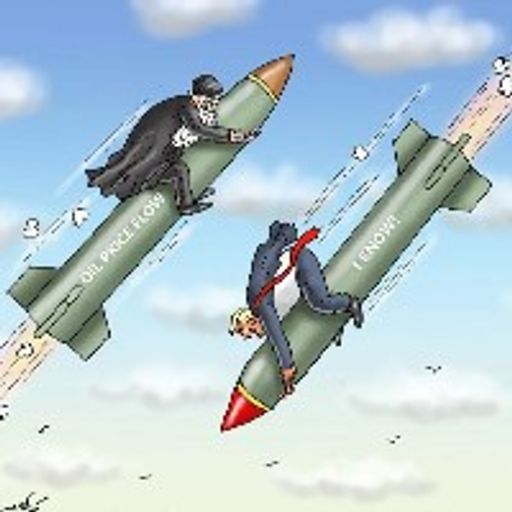
#WarshFedChairNominationStalled The nomination of Kevin Warsh for the position of Federal Reserve Chair has hit a significant roadblock, signaling growing political complexities around central bank appointments. Warsh, a former Fed governor known for his strong economic insights and market acumen, was widely expected to bring a blend of market-friendly policies and disciplined monetary oversight. However, recent developments indicate that his confirmation is facing serious delays in the Senate, leaving markets and policymakers alike in a state of uncertainty.
The stalling of Warsh’s nomination comes amid rising scrutiny from both sides of the political spectrum. Some lawmakers express concerns about his previous positions on interest rate policies and the Fed’s role in financial market stability. Critics argue that Warsh’s approach could lean toward aggressive tightening measures, potentially slowing down economic growth at a time when inflation pressures remain volatile. On the other hand, supporters highlight his deep experience in both government and private financial sectors, emphasizing that his pragmatic approach is exactly what the Federal Reserve needs to maintain credibility and stability in a challenging economic environment.
The delay is also indicative of the broader challenges in appointing key economic positions in today’s polarized political climate. Senate committees responsible for vetting the nominee have raised procedural and policy-related questions that require further deliberation. Analysts suggest that the hold-up may reflect not just policy disagreements but also strategic considerations ahead of upcoming legislative agendas. The lack of clarity around the Fed Chair nomination is already having ripple effects across financial markets. Investors are cautiously monitoring treasury yields, stock indices, and the U.S. dollar, as uncertainty about central bank leadership can directly influence monetary policy expectations.
Warsh’s nomination has been particularly scrutinized for his stance on inflation control and interest rate management. His previous speeches and policy papers suggest a commitment to maintaining price stability, but some fear that his measures could stifle economic growth if applied too rigidly. This debate underscores the delicate balance the Federal Reserve must strike between curbing inflation and supporting employment growth — a challenge that becomes even more pronounced when the leadership position itself remains unresolved.
Market experts emphasize that prolonged uncertainty in Fed leadership can lead to volatility in both domestic and international markets. Businesses, investors, and policymakers rely on a predictable monetary policy framework to make informed decisions. A stalled nomination, therefore, not only affects immediate market sentiment but could also influence longer-term economic planning, investment strategies, and consumer confidence.
As the Senate continues its deliberations, attention now turns to potential compromises and alternative candidates who may satisfy both political and economic considerations. For now, the Warsh nomination serves as a case study in how economic expertise, political negotiation, and market expectations intersect in shaping central bank leadership. The eventual outcome will be closely watched, as it could set the tone for the Federal Reserve’s approach to monetary policy, interest rates, and economic stability in the months and years ahead.
In conclusion, the stalling of Kevin Warsh’s Federal Reserve Chair nomination highlights the complexities of central bank appointments in today’s political environment. While he brings experience and a disciplined economic perspective, the ongoing delays underscore how political dynamics, policy debates, and market expectations converge, leaving the future of U.S. monetary policy in a moment of suspense.