

Trade
Basic
Futures
Futures
Hundreds of contracts settled in USDT or BTC
TradFi
Gold
Trade global traditional assets with USDT in one place
Options
Hot
Trade European-style vanilla options
Unified Account
Maximize your capital efficiency
Demo Trading
Futures Kickoff
Get prepared for your futures trading
Futures Events
Participate in events to win generous rewards
Demo Trading
Use virtual funds to experience risk-free trading
Earn
Launch
CandyDrop
Collect candies to earn airdrops
Launchpool
Quick staking, earn potential new tokens
HODLer Airdrop
Hold GT and get massive airdrops for free
Launchpad
Be early to the next big token project
Alpha Points
Trade on-chain assets and enjoy airdrop rewards!
Futures Points
Earn futures points and claim airdrop rewards
Investment
Simple Earn
Earn interests with idle tokens
Auto-Invest
Auto-invest on a regular basis
Dual Investment
Buy low and sell high to take profits from price fluctuations
Soft Staking
Earn rewards with flexible staking
Crypto Loan
0 Fees
Pledge one crypto to borrow another
Lending Center
One-stop lending hub
VIP Wealth Hub
Customized wealth management empowers your assets growth
Private Wealth Management
Customized asset management to grow your digital assets
Quant Fund
Top asset management team helps you profit without hassle
Staking
Stake cryptos to earn in PoS products
Smart Leverage
New
No forced liquidation before maturity, worry-free leveraged gains
GUSD Minting
Use USDT/USDC to mint GUSD for treasury-level yields

More





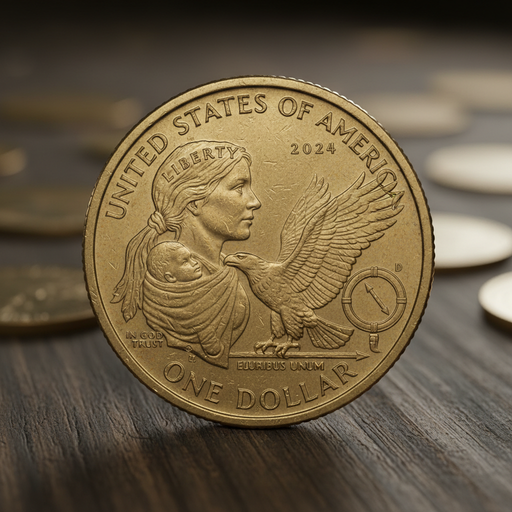
Valuable 1960s Quarters and Rare Coins From the Era Worth Serious Money
Have you ever found old coins mixed in with your everyday change? Coin enthusiasts know that certain pieces from decades past can be surprisingly valuable. Those 1960s quarters worth money hiding in your junk drawer might actually represent a hidden treasure. Whether discovered in a family piggy bank, couch cushions, or a forgotten jar, coins from this era often command prices far exceeding their face value, sometimes reaching into the thousands of dollars.
The value of any coin depends on several key factors: its condition, rarity, age, and collector demand. A coin in pristine, uncirculated condition will fetch significantly more than one that’s been in circulation. Additionally, the composition of the coin matters greatly—silver content alone can boost value substantially above face value.
Why Early Quarters From the 1960s Are So Valuable
The 1960s represents a pivotal moment in American coin history. Quarters and dimes minted through 1964 were produced using 90% silver, giving them intrinsic value beyond their face value. Even today, these 1960s quarters worth money are sought after by collectors, with silver prices influencing their baseline value.
One major reason certain 1960s quarters command premium prices relates to mintage numbers. The Denver Mint produced over 135 million of the 1963-D silver Washington quarters, making them common in circulation. Because these were produced in such high volumes, most entered everyday use rather than being preserved. Finding one in uncirculated condition today is remarkably rare—so rare that pristine examples regularly sell for $16,000 or more at auction. A particularly fine specimen sold for $24,000 in 2022.
The 1962-D silver quarter tells a similar story. These coins are valued both for their silver content and their collectability. A high-quality example from Denver sold for $18,400 at auction in 2012, demonstrating the strong demand among numismatists for well-preserved specimens from this period.
Silver Washington Quarters: The High-Value Premium
The transformation in 1965 marked a turning point. June 1965 ended the era of silver dimes and quarters. The “clad” quarters introduced that year contained no silver, reducing intrinsic value but potentially increasing collector appeal due to their scarcity and historical significance. The 1965 Type 2 clad Washington quarter in gem brilliant uncirculated condition exemplifies this dynamic. One such coin sold for $12,650 in 2005, suggesting that finding one today could command an even higher price.
Understanding condition grades is essential. Proof coins—specially produced for collectors in limited quantities—typically hold significantly higher value than standard circulation strikes. A 1960 penny with no mint mark and a deep cameo effect could be worth $2,600 or more, depending on whether it’s a large-date proof specimen in pristine condition. Standard business strikes of the same year might fetch just $4 to a few hundred dollars.
Beyond Quarters: 1960 Pennies and Half Dollars Worth Money
While penny collecting might seem trivial, rare 1960 pennies can be surprisingly valuable. Those with no mint mark and special characteristics like deep cameo features can reach several thousand dollars. The difference between a coin worth $4 and one worth thousands hinges on mint marks, strike quality, and proof status.
The 1960 Ben Franklin half dollar represents another category worth investigating. These coins were minted with .3617 ounces of silver—more than one-third of an ounce. At current silver prices around $30 per troy ounce, even a circulated example has intrinsic value exceeding $11 or $12. However, finding one in mint condition elevates its worth dramatically to $300 or more. Half dollars stand out as relatively uncommon in everyday transactions, making them easier to spot and worth examining for their dates.
How to Identify and Evaluate Your 1960s Coins
If you’re hunting for valuable coins from this era, focus on several checkpoints. First, examine the coin for a mint mark—the small letter indicating where it was minted. Denver-minted coins (marked with a “D”) from the early 1960s often show higher collector values. Second, assess the condition: has the coin been in circulation, or does it retain original luster and detail? Third, consult reference guides to determine strike type and any special characteristics.
The collectors who understand these details can distinguish between a common circulated quarter worth face value and a premium specimen commanding four or five figures. For anyone with 1960s quarters worth money or other coins from this golden age of collecting, taking time to evaluate what you have could reveal surprising value. Whether you’re a casual finder or serious numismatist, the 1960s represent a rich hunting ground for valuable coins.