

Trade
Basic
Futures
Futures
Hundreds of contracts settled in USDT or BTC
Options
HOT
Trade European-style vanilla options
Unified Account
Maximize your capital efficiency
Demo Trading
Futures Kickoff
Get prepared for your futures trading
Futures Events
Participate in events to win generous rewards
Demo Trading
Use virtual funds to experience risk-free trading
Earn
Launch
CandyDrop
Collect candies to earn airdrops
Launchpool
Quick staking, earn potential new tokens
HODLer Airdrop
Hold GT and get massive airdrops for free
Launchpad
Be early to the next big token project
Alpha Points
NEW
Trade on-chain assets and enjoy airdrop rewards!
Futures Points
NEW
Earn futures points and claim airdrop rewards
Investment
Simple Earn
Earn interests with idle tokens
Auto-Invest
Auto-invest on a regular basis
Dual Investment
Buy low and sell high to take profits from price fluctuations
Soft Staking
Earn rewards with flexible staking
Crypto Loan
0 Fees
Pledge one crypto to borrow another
Lending Center
One-stop lending hub
VIP Wealth Hub
Customized wealth management empowers your assets growth
Private Wealth Management
Customized asset management to grow your digital assets
Quant Fund
Top asset management team helps you profit without hassle
Staking
Stake cryptos to earn in PoS products
Smart Leverage
NEW
No forced liquidation before maturity, worry-free leveraged gains
GUSD Minting
Use USDT/USDC to mint GUSD for treasury-level yields

More

Trending Topics
View More24.56K Popularity
27.93K Popularity
51.24K Popularity
17.58K Popularity
104.15K Popularity




Pin
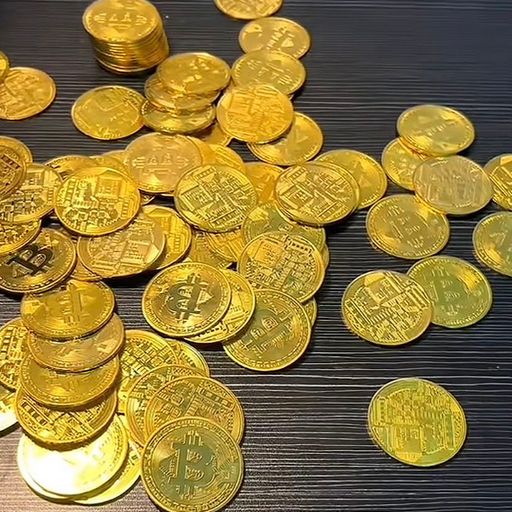
Cryptocurrency mining on the verge of transformation: what awaits the industry after 2026
The digital asset mining sector is entering a new phase of development, which will be shaped by technological breakthroughs and intense competitive battles. According to RBC analysis, the key catalyst for these changes is global liquidity and the activation of cryptocurrency markets, which are becoming the main drivers of industry growth.
Geographical Shift and Regional Advantages
Russia and Kazakhstan are at the forefront of creating a favorable regulatory environment for cryptocurrency mining. This allows miners in these countries to gain a competitive advantage through clarity and predictability in tax and regulatory policies. The regional initiative creates attractive conditions for attracting large capital and technological investments.
Diversification and Evolution of Business Models
According to ViaBTC experts led by Haipo Yang, the industry is demonstrating a qualitative leap in operational efficiency. Cryptocurrency mining is no longer limited to traditional extraction: companies are actively integrating staking services, developing wallet solutions, and expanding their portfolio of financial services. This approach allows for diversification of income streams and reduction of operational risks.
Payback Period and Competitive Advantages of Alternatives
An analysis of the economics of various cryptocurrencies shows an interesting picture. While Litecoin and Dogecoin offer accelerated return on investment due to lower computational costs, Bitcoin maintains a stable payback horizon of 2.5–3 years. This stability makes it attractive to long-term institutional players despite higher initial investments.
Institutional Interest and Global Trends
Growing attention from professional investors to the sector correlates with the tightening of international standards in the fight against terrorism financing. Paradoxically, increased regulatory control creates trust and legitimacy, attracting conservative institutional capital. This contributes to a more structured industry development.
Mining Pool Adaptation
Large mining pools are actively modernizing their service architecture to meet changing market needs. They are becoming not just aggregators of computational power but full-fledged platforms for managing cryptocurrency mining with expanded functionality and analytical tools.
These factors collectively indicate that the industry is transitioning to a more mature and competitive level of development.