

Trade
Basic
Futures
Futures
Hundreds of contracts settled in USDT or BTC
Options
HOT
Trade European-style vanilla options
Unified Account
Maximize your capital efficiency
Demo Trading
Futures Kickoff
Get prepared for your futures trading
Futures Events
Participate in events to win generous rewards
Demo Trading
Use virtual funds to experience risk-free trading
Earn
Launch
CandyDrop
Collect candies to earn airdrops
Launchpool
Quick staking, earn potential new tokens
HODLer Airdrop
Hold GT and get massive airdrops for free
Launchpad
Be early to the next big token project
Alpha Points
NEW
Trade on-chain assets and enjoy airdrop rewards!
Futures Points
NEW
Earn futures points and claim airdrop rewards
Investment
Simple Earn
Earn interests with idle tokens
Auto-Invest
Auto-invest on a regular basis
Dual Investment
Buy low and sell high to take profits from price fluctuations
Soft Staking
Earn rewards with flexible staking
Crypto Loan
0 Fees
Pledge one crypto to borrow another
Lending Center
One-stop lending hub
VIP Wealth Hub
Customized wealth management empowers your assets growth
Private Wealth Management
Customized asset management to grow your digital assets
Quant Fund
Top asset management team helps you profit without hassle
Staking
Stake cryptos to earn in PoS products
Smart Leverage
NEW
No forced liquidation before maturity, worry-free leveraged gains
GUSD Minting
Use USDT/USDC to mint GUSD for treasury-level yields

More




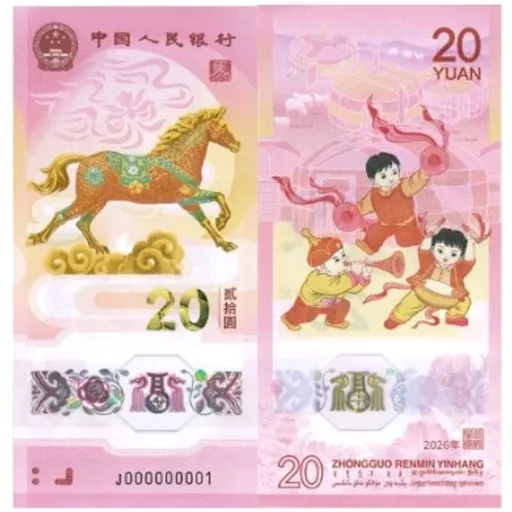
## BRICS Advances Toward De-Dollarization with Innovative Gold-Backed Currency
The BRICS collective has taken a significant step in its financial independence strategy by unveiling a functional prototype of a digital currency called "Unit," fully backed by precious metals and local currencies. This exchange instrument represents one of the most concrete moves by the bloc toward global de-dollarization.
### Structure and Composition of the "Unit"
The BRICS group's proposed gold-backed currency is based on a carefully balanced reserve basket. The model envisions a structure where 40% corresponds to physical gold and the remaining 60% is evenly distributed among the five main regional currencies: the Brazilian real, the Chinese yuan, the Indian rupee, the Russian ruble, and the South African rand.
The Institute of Economic Strategies Research of the Russian Academy of Sciences (IRIAS), the institution leading the project, issued an initial batch of 100 units on October 31. Each digital currency was originally linked to the equivalent of 1 gram of gold, establishing a clear reference point for its valuation.
### Market Value Dynamics and Behavior
The valuation of these gold currencies experiences daily fluctuations determined by the performance of the component currencies against precious metals. According to data recorded as of December 4, market volatility adjusted the reserve portfolio to the equivalent of 98.23 grams of gold, meaning each unit maintains a practical value of approximately 0.9823 grams of gold.
### Strategic Implications
Although this initiative has not yet gained official policy status within the bloc, its existence marks a tangible milestone in BRICS' trajectory toward alternative payment systems to the US dollar. The creation of a digital asset backed by gold and regional currencies signals the group's determination to build independent financial infrastructures that challenge global monetary hegemony.