

Trade
Basic
Futures
Futures
Hundreds of contracts settled in USDT or BTC
Options
HOT
Trade European-style vanilla options
Unified Account
Maximize your capital efficiency
Demo Trading
Futures Kickoff
Get prepared for your futures trading
Futures Events
Participate in events to win generous rewards
Demo Trading
Use virtual funds to experience risk-free trading
Earn
Launch
CandyDrop
Collect candies to earn airdrops
Launchpool
Quick staking, earn potential new tokens
HODLer Airdrop
Hold GT and get massive airdrops for free
Launchpad
Be early to the next big token project
Alpha Points
NEW
Trade on-chain assets and enjoy airdrop rewards!
Futures Points
NEW
Earn futures points and claim airdrop rewards
Investment
Simple Earn
Earn interests with idle tokens
Auto-Invest
Auto-invest on a regular basis
Dual Investment
Buy low and sell high to take profits from price fluctuations
Soft Staking
Earn rewards with flexible staking
Crypto Loan
0 Fees
Pledge one crypto to borrow another
Lending Center
One-stop lending hub
VIP Wealth Hub
Customized wealth management empowers your assets growth
Private Wealth Management
Customized asset management to grow your digital assets
Quant Fund
Top asset management team helps you profit without hassle
Staking
Stake cryptos to earn in PoS products
Smart Leverage
NEW
No forced liquidation before maturity, worry-free leveraged gains
GUSD Minting
Use USDT/USDC to mint GUSD for treasury-level yields

More

Trending Topics
View More13.01K Popularity
17.58K Popularity
55.23K Popularity
15.09K Popularity
94.59K Popularity




Pin
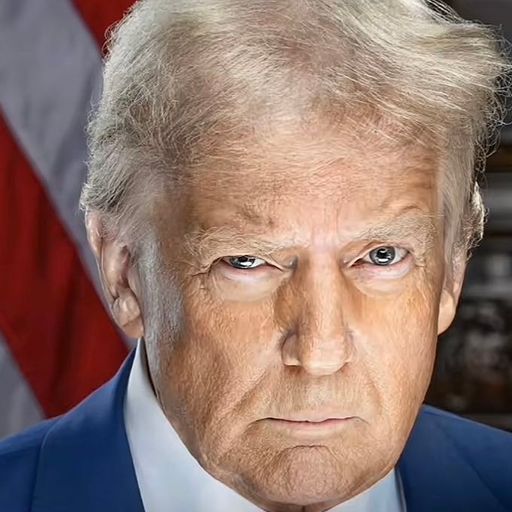
Trump's shift towards the Democrats could save the cryptocurrency bill in the Senate
The legislation on the structuring of the cryptocurrency market is currently stalled in the Senate, and the main reason? Democrats fear that a fully Republican management of financial regulatory agencies could lead to industry-hostile regulations. But this week, Trump made an unexpected move.
During an interview in the Oval Office, the President stated that he is “open” to appointing Democratic commissioners to the Securities and Exchange Commission (SEC) and the Commodity Futures Trading Commission (CFTC). A significant shift, considering Trump had started his term purging Democratic figures from other federal agencies and seeking maximum executive control.
Why Democrats Were Asking for Guarantees
The cryptocurrency regulation bill would grant broad powers to both the SEC and the CFTC. According to federal law, commissions must include at least two members from the minority party. Currently, however, the CFTC has no Democratic commissioners, and the same situation is expected for the SEC starting next year.
Democratic leaders in the Senate have clarified in recent weeks: without representation in regulatory agencies, they will not support the bill. “If we have no voice in setting the rules, why should we vote in favor?” is the underlying reasoning.
Trump’s Turnaround: Political Calculation or Genuine Openness?
Trump stated on Monday that a Democratic president probably would never appoint Republicans to the same positions, suggesting that his willingness represents a unilateral gesture of goodwill. In reality, every modern president—both Republican and Democratic—has maintained this bipartisan balance in federal regulatory agencies.
Interestingly, however: the Supreme Court is considering granting the president the power to fire commissioners at will, removing the independence of these agencies. If that happens, Trump could appoint Democrats today and replace them tomorrow. However, the mere short-term commitment might be enough to unblock the Senate vote.
The Time Factor: The Bill Is Expiring
Republican leadership initially hoped for approval by summer, then fall, then the end of the year. None of these deadlines have been met. The Senate usually breaks for the spring when campaign season for the 2026 midterm elections begins.
Senator Tim Scott, chair of the Banking Committee, admitted that a formal review of the bill will not happen before January 2026. For the crypto community, each week of delay increases regulatory uncertainty and hampers sector development. Trump’s statements could accelerate negotiations, but time is running out quickly.