

Trade
Basic
Futures
Futures
Hundreds of contracts settled in USDT or BTC
Options
HOT
Trade European-style vanilla options
Unified Account
Maximize your capital efficiency
Demo Trading
Futures Kickoff
Get prepared for your futures trading
Futures Events
Participate in events to win generous rewards
Demo Trading
Use virtual funds to experience risk-free trading
Earn
Launch
CandyDrop
Collect candies to earn airdrops
Launchpool
Quick staking, earn potential new tokens
HODLer Airdrop
Hold GT and get massive airdrops for free
Launchpad
Be early to the next big token project
Alpha Points
NEW
Trade on-chain assets and enjoy airdrop rewards!
Futures Points
NEW
Earn futures points and claim airdrop rewards
Investment
Simple Earn
Earn interests with idle tokens
Auto-Invest
Auto-invest on a regular basis
Dual Investment
Buy low and sell high to take profits from price fluctuations
Soft Staking
Earn rewards with flexible staking
Crypto Loan
0 Fees
Pledge one crypto to borrow another
Lending Center
One-stop lending hub
VIP Wealth Hub
Customized wealth management empowers your assets growth
Private Wealth Management
Customized asset management to grow your digital assets
Quant Fund
Top asset management team helps you profit without hassle
Staking
Stake cryptos to earn in PoS products
Smart Leverage
NEW
No forced liquidation before maturity, worry-free leveraged gains
GUSD Minting
Use USDT/USDC to mint GUSD for treasury-level yields

More


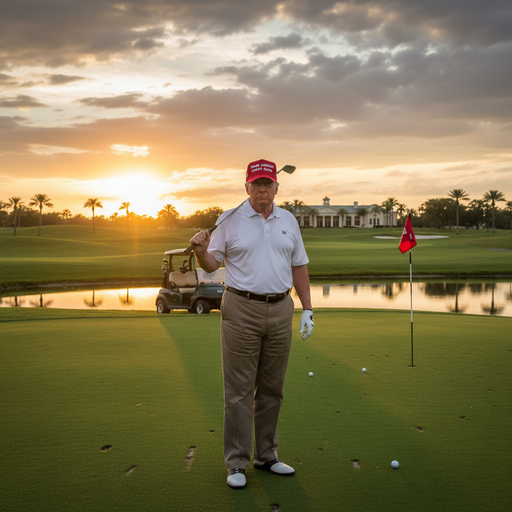




Recently, many traders in the community have been discussing the potential impact of Trump's energy policies on the crypto market. Rather than a sudden policy shift, it's more about the reality of excess US energy production forcing a choice.
**Substantive Shift in Energy Strategy**
US crude oil production has already exceeded 13.5 million barrels per day, reaching a historic high. It sounds impressive, but the problem is that domestic refining capacity is shrinking, inventories are piling up, and shale oil producers are struggling under the pressure of costs and prices. At this point, showing goodwill externally is essentially an attempt to find an outlet for excess capacity. Simultaneously, by opening up energy trade, the US can break the close energy cooperation between China and Russia and reshape the global oil and gas trade landscape. This is not an act of benevolence but a classic geopolitical game—energy is a weapon, and the dollar-oil cycle must continue.
**Oil Prices, Capital Flows, and Market Interactions**
In the short term, oil prices will face pressure. If China and Russia really increase US crude oil imports, global supply will loosen, and Brent crude may fluctuate between $70 and $85 per barrel. But OPEC+ (especially Saudi Arabia) certainly won't sit idly by, using production cuts to protect market share and prices. A new balance will gradually form.
Here's an interesting phenomenon: if energy trade shifts toward a dual settlement system in USD and RMB (Russia has already started doing this), the demand for stablecoins and RWA tokens will rise accordingly. Look at the green energy tokenization case from GCL-Poly, which has already demonstrated the possibility of bringing energy assets onto the blockchain. The tokenization of real-world assets in this sector could usher in a wave of new applications.
**Where Are the Opportunities on the Chain**
Energy trading tokens may benefit—an increase in oil product trading activity will boost related transaction settlement demands. The use of stablecoins in international energy trade could further increase, especially in cross-border settlement scenarios. If energy asset tokenization projects in the RWA sector can address compliance and liquidity issues, they have significant long-term potential.
Of course, all this depends on whether policies truly advance in this direction and market expectations adjust accordingly. But from a macro perspective, the new geopolitical landscape in energy is indeed opening windows for certain niche segments of the crypto market.