















#Gate广场四月发帖挑战
Crypto Circle Fortune-Seeking: Analyze as the Foundation, Stay Calm to Win
Making money in the crypto circle is the core goal of all traders. To protect these gains, it’s never about gambling on market ups and downs. Instead, you need to fully understand and analyze information, make technical breakdowns precise, and above all, give up the obsession with frequent trading—so that every move you make has logic and followable rules.
Information analysis is the “weather vane” of crypto trading. Macro policies such as the Federal Reserve’s interest rate decision, industry developments such as new regulatory rules, and project progress such as ecosystem upgrades—all of these pieces of information can trigger sharp market swings. However, since news is not a single-dimension stream of good or bad, you must verify its authenticity, break down the core issues, and more importantly, combine it with market sentiment to judge how it will play out. For example, hawkish Fed minutes may suppress risk assets. Even good news may become a “liquidity trap” if the volume is insufficient. Only by peeling back the layers to find the flow of funds behind the information can news become a basis for decision-making—not a reason to follow the crowd.
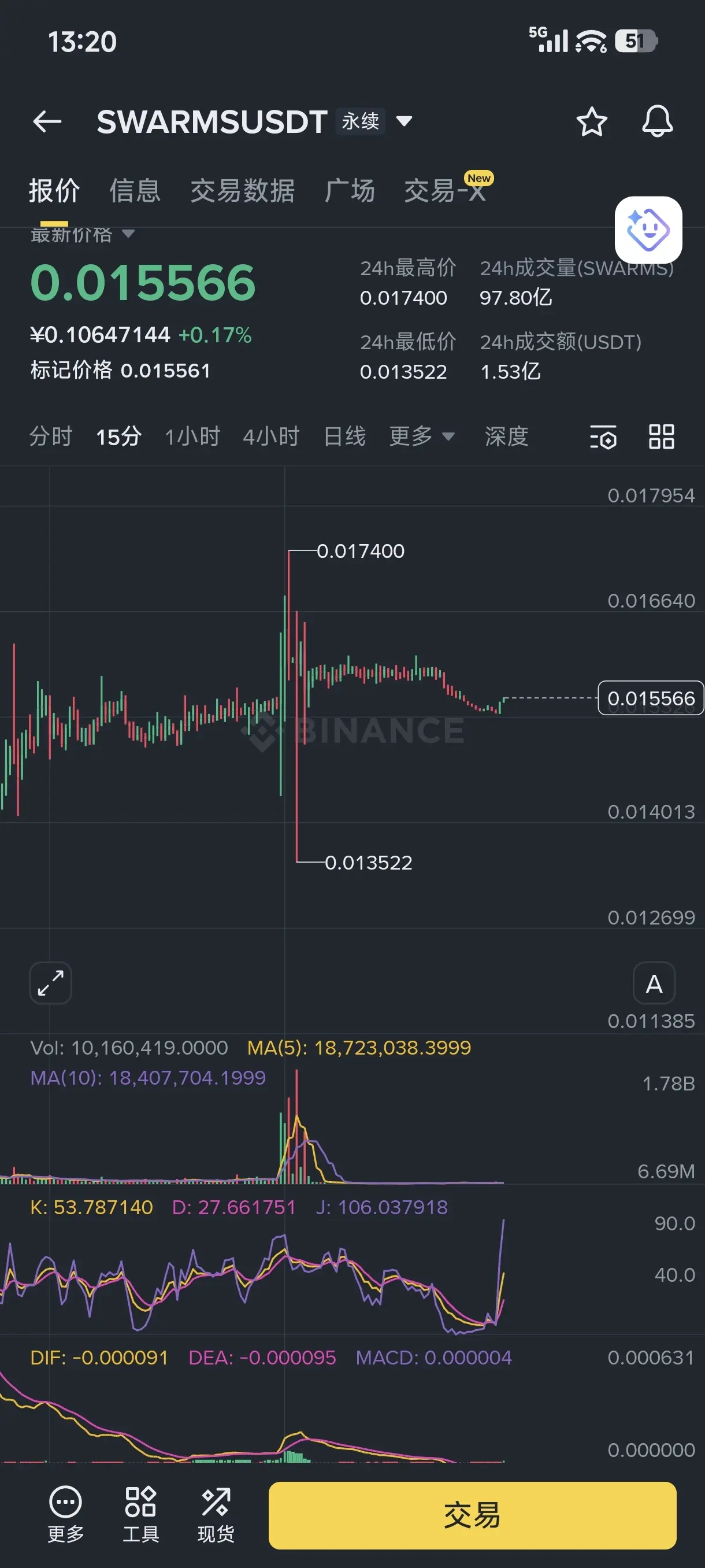
Technical breakdown is the “navigation instrument” for trading. Candlestick patterns, moving-average trends, indicators such as RSI and MACD, and then on-chain fund flows and analyses of chips based on exchange net inflows—together they form a technical system for judging the market. But technical analysis is never just a mechanical pile of indicators. Use daily charts to set the big direction, use the 4-hour chart to find entry points, and use trading volume to test whether the trend is real or misleading. With multi-timeframe validation and multi-indicator coordination, you can avoid being fooled by technical false signals. And you must also link technical analysis with the news backdrop. When the market’s sentiment based on Fed tone and the technical indicators diverge, even the strongest overbought/oversold signals should be treated with caution—this is the key to crossing market volatility.
On the other hand, frequent trading is the “roadblock” on the path to seeking fortune in the crypto circle. Some get addicted to short-term swings, placing several orders a day, yet ignore the ongoing drain of trading fees and slippage—monthly comprehensive costs may wipe out more than 6% of principal. Some are driven by emotions, chasing pumps and selling into dips, forming a cycle of “buy high, sell low,” and as they stare at charts more often, their decision accuracy drops sharply. Others keep rebalancing too frequently and miss the core moves you shouldn’t miss. Remember: most short-term fluctuations in crypto are often just market noise. The truly excess returns are usually hidden in the compounding effect of long-term holding. In many cases, the annualized returns of low-frequency traders are significantly higher than those of high-frequency traders.
Crypto is not about winning by being “fast,” but winning by being “steady.” Turn the depth of your news analysis and the precision of your technical breakdowns into the accuracy of your trades. Reject the restlessness of frequent trading, hold the risk-control line, and stick to rational decision-making. Only then can the big matter of making money take root and become sustainable in the face of an ever-changing market of rises and falls.
Crypto Circle Fortune-Seeking: Analyze as the Foundation, Stay Calm to Win
Making money in the crypto circle is the core goal of all traders. To protect these gains, it’s never about gambling on market ups and downs. Instead, you need to fully understand and analyze information, make technical breakdowns precise, and above all, give up the obsession with frequent trading—so that every move you make has logic and followable rules.
Information analysis is the “weather vane” of crypto trading. Macro policies such as the Federal Reserve’s interest rate decision, industry developments such as new regulatory rules, and project progress such as ecosystem upgrades—all of these pieces of information can trigger sharp market swings. However, since news is not a single-dimension stream of good or bad, you must verify its authenticity, break down the core issues, and more importantly, combine it with market sentiment to judge how it will play out. For example, hawkish Fed minutes may suppress risk assets. Even good news may become a “liquidity trap” if the volume is insufficient. Only by peeling back the layers to find the flow of funds behind the information can news become a basis for decision-making—not a reason to follow the crowd.
Technical breakdown is the “navigation instrument” for trading. Candlestick patterns, moving-average trends, indicators such as RSI and MACD, and then on-chain fund flows and analyses of chips based on exchange net inflows—together they form a technical system for judging the market. But technical analysis is never just a mechanical pile of indicators. Use daily charts to set the big direction, use the 4-hour chart to find entry points, and use trading volume to test whether the trend is real or misleading. With multi-timeframe validation and multi-indicator coordination, you can avoid being fooled by technical false signals. And you must also link technical analysis with the news backdrop. When the market’s sentiment based on Fed tone and the technical indicators diverge, even the strongest overbought/oversold signals should be treated with caution—this is the key to crossing market volatility.
On the other hand, frequent trading is the “roadblock” on the path to seeking fortune in the crypto circle. Some get addicted to short-term swings, placing several orders a day, yet ignore the ongoing drain of trading fees and slippage—monthly comprehensive costs may wipe out more than 6% of principal. Some are driven by emotions, chasing pumps and selling into dips, forming a cycle of “buy high, sell low,” and as they stare at charts more often, their decision accuracy drops sharply. Others keep rebalancing too frequently and miss the core moves you shouldn’t miss. Remember: most short-term fluctuations in crypto are often just market noise. The truly excess returns are usually hidden in the compounding effect of long-term holding. In many cases, the annualized returns of low-frequency traders are significantly higher than those of high-frequency traders.
Crypto is not about winning by being “fast,” but winning by being “steady.” Turn the depth of your news analysis and the precision of your technical breakdowns into the accuracy of your trades. Reject the restlessness of frequent trading, hold the risk-control line, and stick to rational decision-making. Only then can the big matter of making money take root and become sustainable in the face of an ever-changing market of rises and falls.