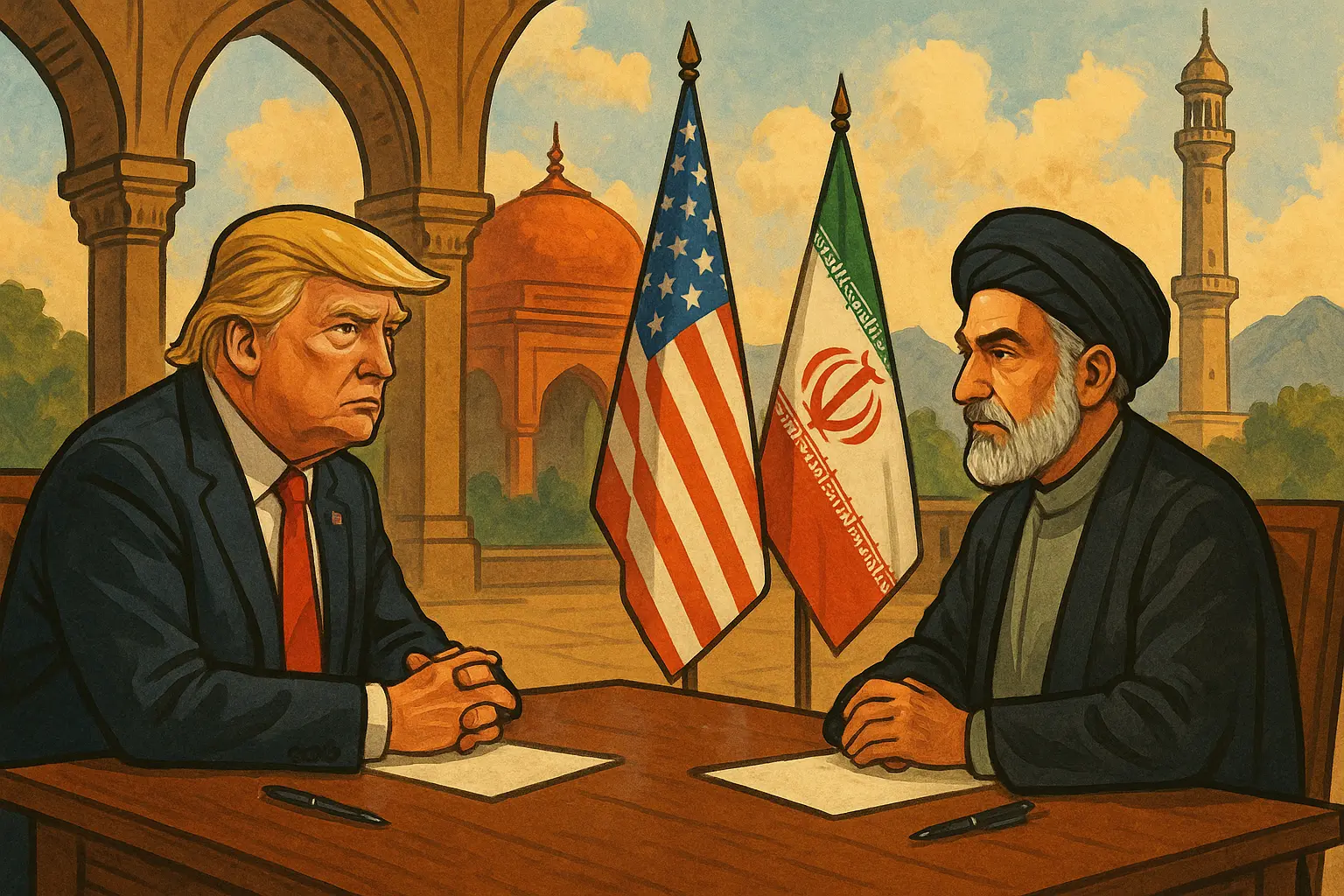
U.S. media outlet Axios reported on Tuesday evening (April 7), citing two sources familiar with the matter, that the first round of negotiations between the United States and Iran to end the war has been agreed. The talks are scheduled to be held this Friday in Islamabad, Pakistan—the first in-person negotiations between the two sides since the start of the Iranian war. Previously, U.S. President Trump announced that the U.S. had agreed to a two-week ceasefire deal. Iranian Foreign Minister Abbas Araghchi then confirmed that Tehran accepted the arrangement.
Negotiation Venue and Official Position: Islamabad as the Breakthrough for Peace
The choice of Islamabad reflects Pakistan’s long-standing role as an active intermediary in the U.S.-Iran conflict. Pakistan Prime Minister Shehbaz Sharif has formally confirmed that he has invited all parties to hold talks in Islamabad before Friday, and he publicly said, “We sincerely hope the ‘Islamabad talks’ can successfully achieve lasting peace, and we look forward to sharing more good news in the coming days.”
However, the wording from the White House still leaves room for caution. White House press secretary Karoline Leavitt told Axios that, “There has indeed been discussion about in-person talks, but nothing has been finalized yet until a formal announcement by the president or the White House.”
U.S. Negotiating Team: Vice President Vance Expected to Lead, with Kushner Along
During the war, White House envoy Steve Witkoff led diplomatic outreach with Iran, while Vice President JD Vance provided supporting backing. Once the in-person negotiations are launched, this division of responsibilities may see a significant adjustment:
Key Figures in the Reported U.S. Delegation
Vice President JD Vance: expected to lead the U.S. delegation, with a major increase from the supporting role in wartime diplomacy; has established a good working relationship with Pakistan Army Chief Asim Munir
White House envoy Steve Witkoff: the core figure behind outreach to Iran during the war; his role may be adjusted after talks are initiated
Jared Kushner: Trump’s son-in-law and adviser; reportedly involved throughout the negotiation preparation
Ceasefire Framework: The Diplomatic Significance of a Two-Week Window
Trump’s two-week ceasefire deal creates a limited but crucial diplomatic window for peace negotiations. During this period, both sides will negotiate a comprehensive peace agreement, not just discuss temporary ceasefire arrangements. The overall framework clearly reflects political ambitions that go beyond typical ceasefire deals.
Iranian Foreign Minister Araghchi’s relatively quick response confirming acceptance of the ceasefire arrangement suggests that Tehran has some expectations for this negotiation framework, rather than making a passive or emergency reaction. Trump and Araghchi previously jointly thanked Munir for the role he played in推动ing the ceasefire, further reinforcing Pakistan’s core position in this diplomatic mediation effort.
Geopolitics and Market Impact
The launch of the first round of in-person talks between the U.S. and Iran is an important signal that tensions in the Middle East are easing. A reduction in geopolitical tensions is expected to weigh on oil prices, while also easing global risk-aversion sentiment—creating a potential short-term positive environment for risk assets, including cryptocurrencies. However, there remains a high degree of uncertainty regarding progress in the negotiations, and the White House’s cautious wording also suggests that the market should not price in peace expectations prematurely or excessively.
Frequently Asked Questions
Why did the first round of U.S.-Iran talks choose to be held in Islamabad?
Pakistan, from a neutral position, has played an important intermediary role between the U.S. and Iran. Previously, Army Chief Munir had already received joint praise from both Trump and the Iranian foreign minister. The good working relationship that Vice President Vance has established with Munir makes Islamabad a negotiation venue acceptable to both sides.
What is the specific significance of the two-week U.S.-Iran ceasefire deal?
This arrangement is not only a temporary ceasefire. Both sides have agreed to promote negotiations for a comprehensive peace agreement within a clear time framework—political ambitions are higher than those in a typical ceasefire. The two-week window period is the starting point of the talks process, not the endpoint.
How will U.S.-Iran talks affect global financial markets?
The launch of the talks is a sign of reduced geopolitical risk. It is expected to push oil prices lower and ease risk-aversion sentiment, creating short-term positives for risk assets (including cryptocurrencies). But the outcome of the negotiations remains highly uncertain, and the market should avoid pricing in peace expectations too much, too early.
Disclaimer: The information on this page may come from third parties and does not represent the views or opinions of Gate. The content displayed on this page is for reference only and does not constitute any financial, investment, or legal advice. Gate does not guarantee the accuracy or completeness of the information and shall not be liable for any losses arising from the use of this information. Virtual asset investments carry high risks and are subject to significant price volatility. You may lose all of your invested principal. Please fully understand the relevant risks and make prudent decisions based on your own financial situation and risk tolerance. For details, please refer to
Disclaimer.


