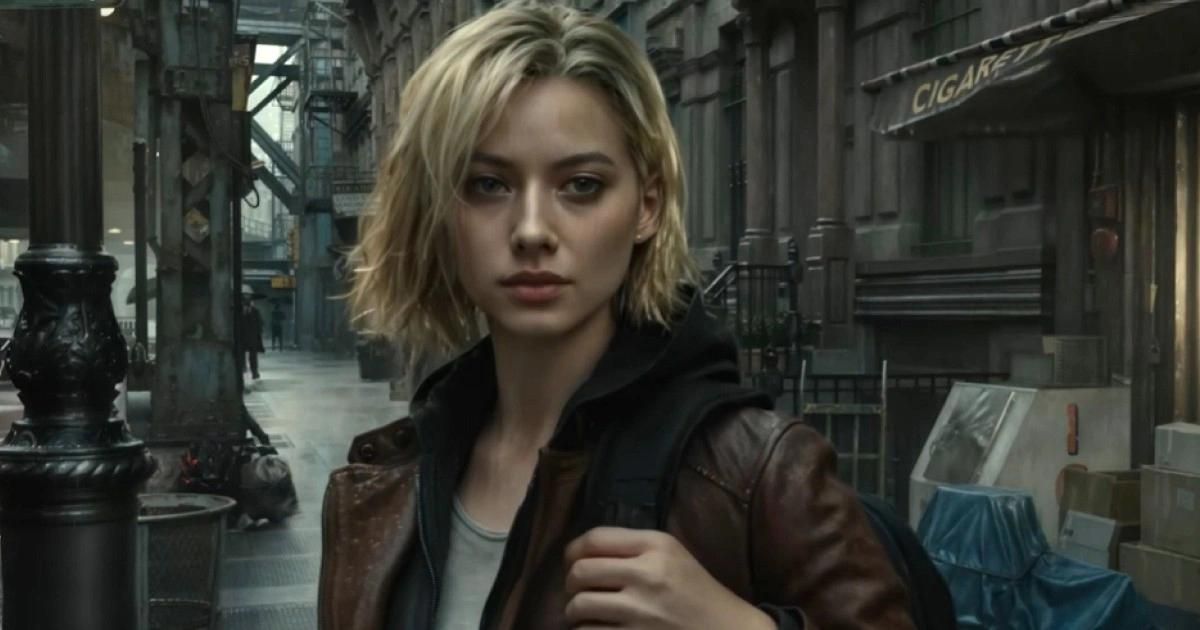
Nvidia announces DLSS 5, showcased with the protagonist Grace from “Resident Evil 9,” but was criticized for being turned into an “AI face,” sparking meme jokes among players. Experts defend that scene lighting and shadows are greatly enhanced, and the official emphasizes that developers can adjust settings to preserve the original art style.
Nvidia announces DLSS 5, coming this fall
At GTC, Nvidia announced the upcoming release of the new DLSS 5 technology this fall, demonstrating its performance with games like “Resident Evil 9: Village of Shadows,” “Starry Sky,” and “Hogwarts Legacy.”
DLSS technology was first released in 2018, primarily using AI to improve resolution and generate new frames, thereby enhancing game performance.
The new DLSS 5 introduces real-time neural rendering models, combining traditional 3D graphics data with generative AI models. DLSS 5 uses each frame’s color and motion vectors as input, analyzing characters, hair, fabrics, and lighting conditions in real time to generate images with photo-realistic lighting and textures, supporting up to 4K resolution.
Did DLSS 5 turn Resident Evil 9’s Grace into an AI face?
However, after the DLSS 5 demo footage was released, it sparked strong criticism on social media and a wave of meme creation.
From the technical demo video, it appears that Grace, the heroine of “Resident Evil 9,” looks unnatural after applying DLSS 5. Her face looks somewhat different from the original, and the lighting behind her has been darkened, with noticeable dimming of lights and car headlights.
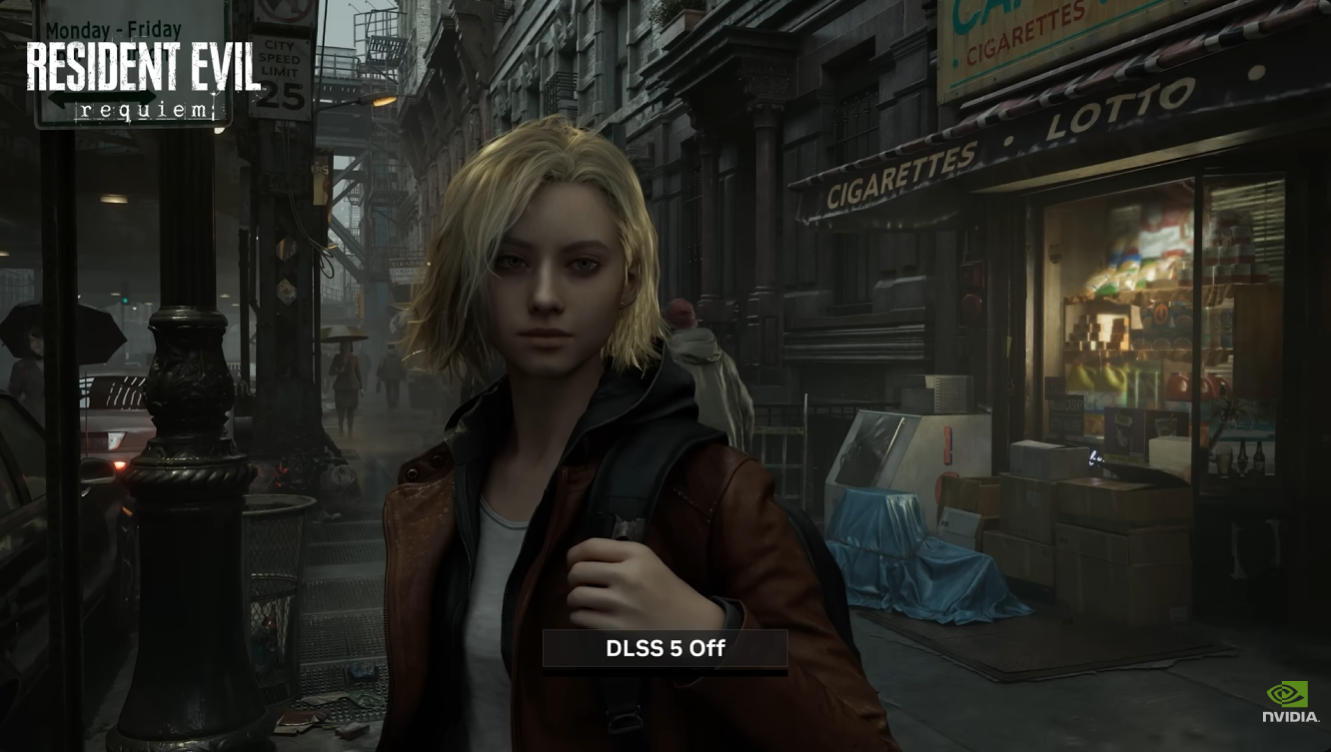
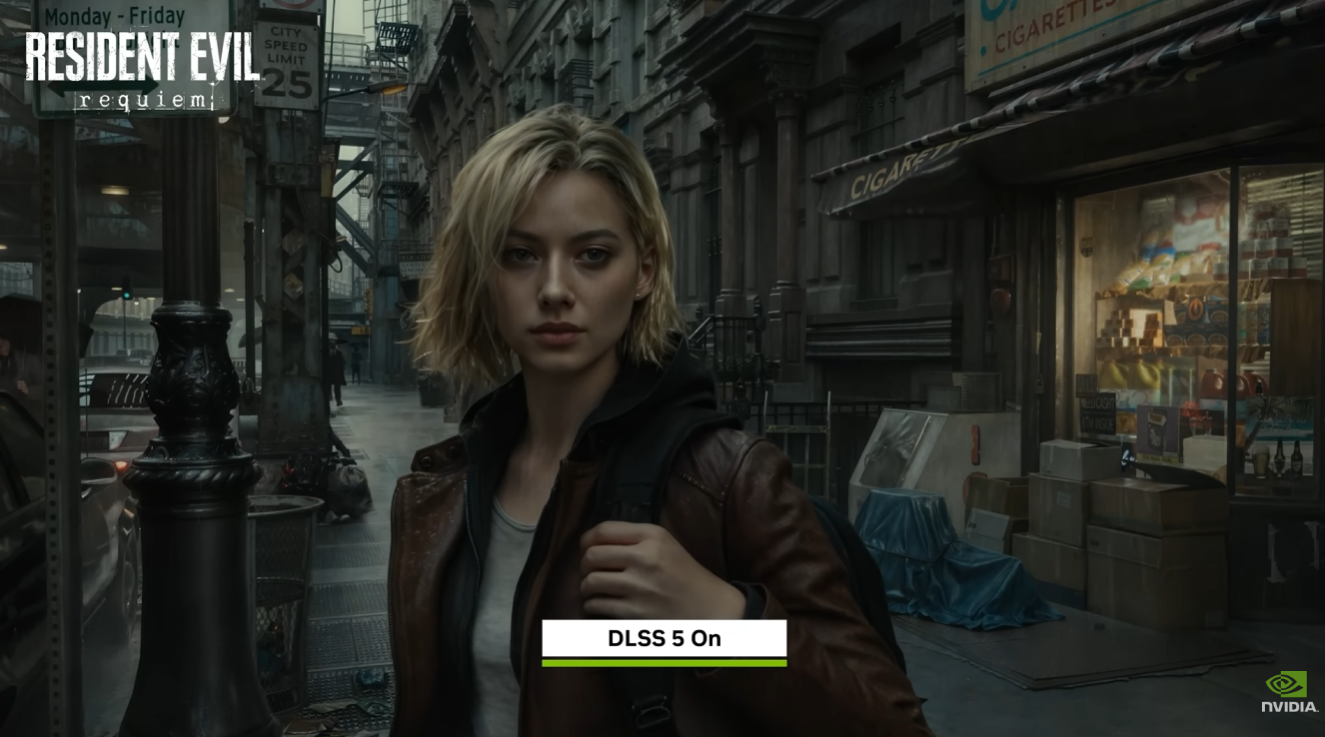
Game developer Mike Bithell openly stated that DLSS 5’s AI enhancement completely abandons the game’s original art style; players on the “Bahamut” forum criticized that Grace’s facial features resemble an AI influencer face, even describing her as having a bizarre, drugged appearance; however, some users believe that applying DLSS 5 in realistic sports games could be beneficial, improving the realism of NBA and other character models.
DLSS 5 sparks RTX off/on meme trend
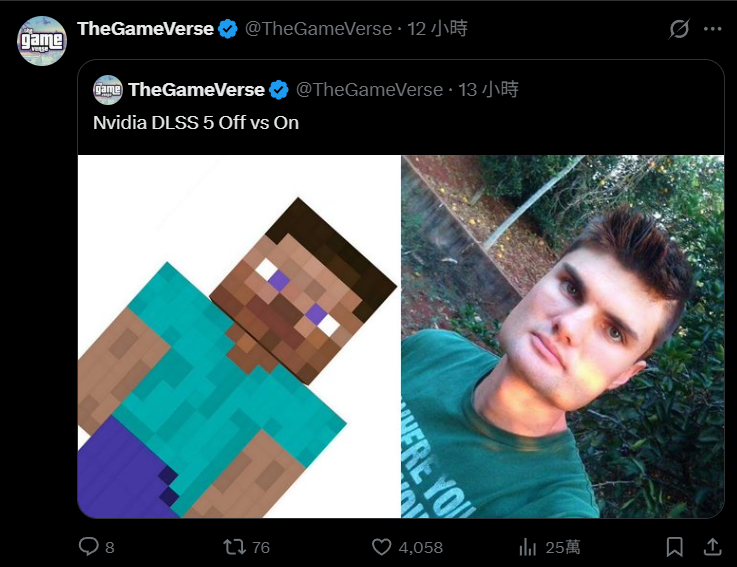
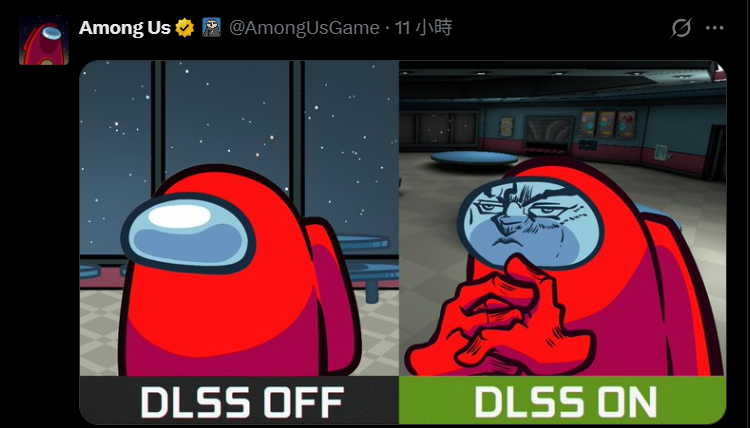
Meanwhile, the familiar RTX off / RTX on comparison memes are back, but this time they mock Nvidia.
Many netizens have added heavy makeup or hyper-realistic features to classic characters to satirize the jarring effect of DLSS 5’s generative AI rendering, such as giving a girl with pearl earrings exaggerated influencer makeup, turning “Minecraft” protagonist Steve into a real human with a square jaw, or even painting Kratos from “God of War” with heavy makeup.
The “Among Us” space murder game’s official account also joined in the meme fun, adding a realistic face of Dio from “JoJo’s Bizarre Adventure” to the astronaut character.
Tech companies defend Nvidia, saying players should focus on scene effects
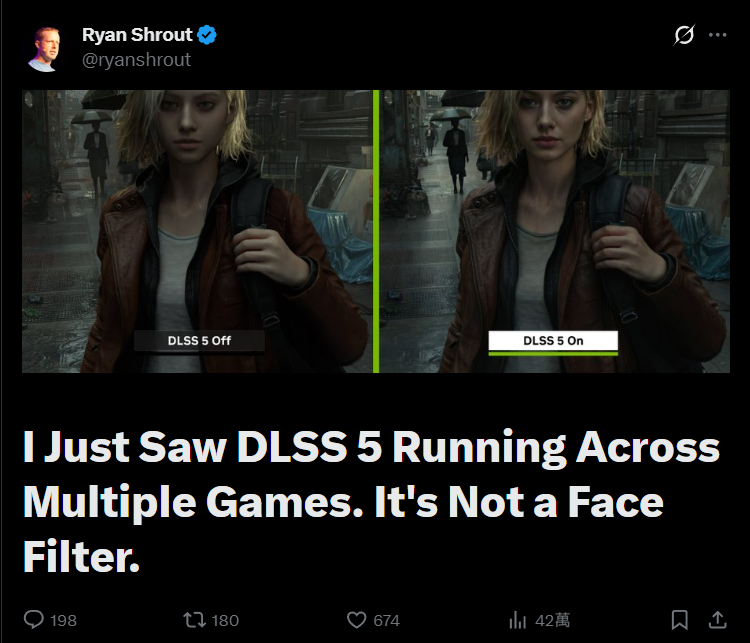
Amid widespread criticism from netizens and media, former Intel executive and current CEO of data center and IT infrastructure marketing firm Signal65, Ryan Shrout, came to Nvidia’s defense.
Shrout stated that he personally toggled DLSS 5 on and off across multiple games at GTC, believing the visual improvements are significant, and that the public is overly focused on character faces, ignoring the overall scene enhancements provided by the technology.
For example, in “Starry Sky,” the indoor scene’s coffee machine, which was previously dull, now shows natural lighting and a three-dimensional feel after enabling DLSS 5, with clear spatial relationships among objects and the environment; similarly, the water surface in “The Elder Scrolls IV: Oblivion - Remastered” and the leaves in “Assassin’s Creed: Shadows” exhibit highly realistic lighting interactions.
Nvidia: Developers can adjust DLSS 5 to preserve original aesthetics
In response to concerns that AI might ruin the original art style of games, Nvidia clarified that DLSS 5 offers detailed control options for game developers, including strength, color grading, and masking features.
Development teams and artists can use these controls to adjust blending, contrast, and saturation, decide where to apply enhancement effects, and exclude specific objects from processing, ensuring each game’s unique aesthetic is maintained.
Ryan Shrout from Signal65 also emphasized that DLSS 5 provides developers with detailed control over strength and masking, demonstrating that developers can use these tools to deliver visuals closer to the original design within limited hardware performance.
Related reading:
Does Umbrella Corp. protect Resident Evil? Last year, lab AI generated live viruses; next step is AI-generated life
Disclaimer: The information on this page may come from third parties and does not represent the views or opinions of Gate. The content displayed on this page is for reference only and does not constitute any financial, investment, or legal advice. Gate does not guarantee the accuracy or completeness of the information and shall not be liable for any losses arising from the use of this information. Virtual asset investments carry high risks and are subject to significant price volatility. You may lose all of your invested principal. Please fully understand the relevant risks and make prudent decisions based on your own financial situation and risk tolerance. For details, please refer to
Disclaimer.


