cryptocurrency gold coin
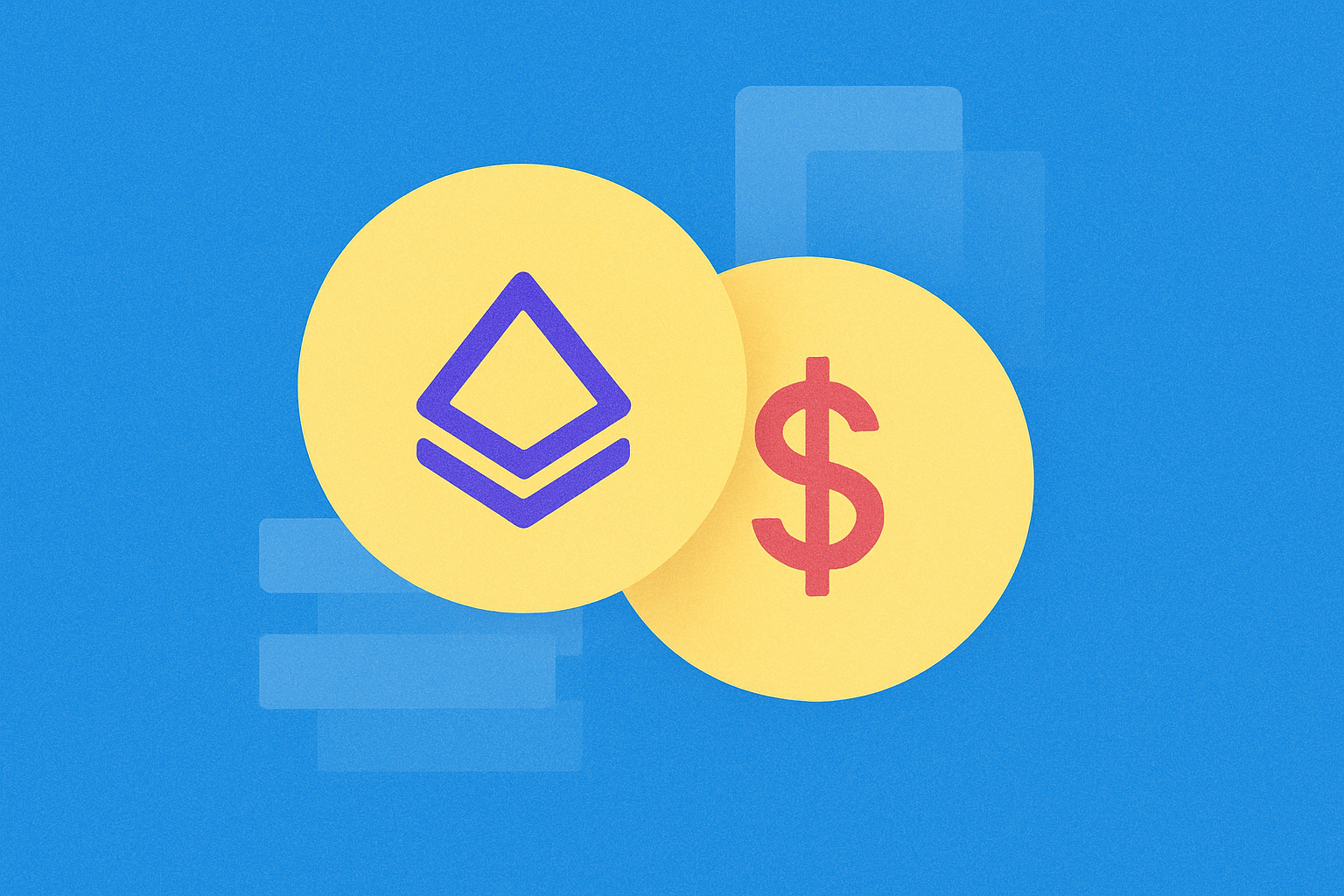
Cryptocurrency gold coins are a class of digital tokens backed by or pegged to physical gold as the underlying asset, designed to combine the value-preserving properties of traditional precious metals with the transparency and liquidity of blockchain technology. These tokens are typically supported by physical gold reserves, with each token representing ownership of a specific weight of gold, allowing users to freely trade, transfer, or redeem the corresponding physical gold on-chain. Their core value lies in lowering the barrier to gold investment, eliminating costs associated with storage, transportation, and authentication in traditional gold trading, while leveraging blockchain's immutable characteristics to ensure asset transparency and ownership security. Within the crypto ecosystem, gold tokens provide investors with a stable option to hedge against crypto market volatility and open new pathways for traditional financial institutions to explore digital asset management. Application scenarios for these tokens span cross-border payments, collateralized lending, and stable asset allocation in decentralized finance (DeFi) protocols, serving as an important bridge connecting traditional finance with the crypto world.
Cryptocurrency gold tokens have generated significant impact on both traditional precious metals markets and the crypto industry. From a market structure perspective, these tokens break down geographical restrictions and capital thresholds for gold investment, enabling any user with internet access globally to participate in gold markets with small amounts of capital, dramatically enhancing gold asset liquidity and accessibility. According to industry data, on-chain trading volumes for some mainstream gold tokens have reached hundreds of millions of dollars daily, reflecting strong market demand for transparent, digitized gold investment instruments. Within the crypto ecosystem, gold tokens have become important collateral and stable value storage in DeFi protocols, providing low-volatility asset options for lending platforms, liquidity mining, and other scenarios, attracting attention from risk-averse investors and institutional capital.
What is the Market Impact of Cryptocurrency Gold Coins?
From regulatory and compliance perspectives, gold token projects have promoted traditional financial institutions' acceptance of blockchain technology. Multiple projects have established relatively mature trust mechanisms through collaboration with audit firms and regular publication of gold reserve proofs, with this transparent operational model providing reference paradigms for other asset tokenization projects. However, gold tokens' market penetration has also created competitive pressure for traditional gold exchanges and ETF funds, prompting some institutions to explore their own digital transformation strategies. Additionally, gold tokens' application potential in cross-border payments cannot be overlooked, combining gold's value-preserving characteristics with cryptocurrency's instant settlement advantages, offering new solutions for international trade settlement and foreign exchange reserve management.
Despite their innovative nature, cryptocurrency gold tokens still face multiple risks and challenges in their development. The primary issue is the difficulty of verifying physical gold reserve authenticity. Although many projects claim independent audit and insurance mechanisms, real-time monitoring and cross-border verification of reserves still have blind spots at technical and legal levels. Historically, there have been token projects claiming gold backing but with insufficient actual reserves, resulting in investor losses. This trust risk requires investors to conduct strict due diligence on project backgrounds, audit reports, and legal compliance.
What are the Risks and Challenges of Cryptocurrency Gold Coins?
From a regulatory perspective, gold tokens involve multiple legal frameworks including securities attributes, commodity regulation, and anti-money laundering compliance. Different jurisdictions have varying characterizations of these hybrid assets, with some regions treating them as securities requiring registration, while others classify them as commodities or payment instruments. This regulatory uncertainty increases projects' compliance costs and operational risks, potentially hindering cross-border business. Additionally, smart contract vulnerabilities represent another potential risk point—if token contracts contain code defects or are hacked, assets may be stolen or redemption mechanisms may fail. User-level risks also include misunderstanding of project operational models, with some investors mistakenly equating gold tokens with physical gold ownership, overlooking intermediary risks and redemption process complexity.
Regarding technical challenges, gold tokens need to balance on-chain efficiency with security. High-frequency trading scenarios place higher demands on blockchain throughput, while the logistics and authentication processes for redeeming physical gold still rely on traditional systems, with this on-chain/off-chain coordination difficulty limiting further user experience optimization.
Looking forward, cryptocurrency gold token development will exhibit diversification and institutionalization trends. At the technical level, improved cross-chain interoperability will enable gold tokens to circulate freely across multiple blockchain ecosystems, enhancing their status as universal value storage tools. Application of privacy technologies like zero-knowledge proofs may provide more secure asset management solutions for high-net-worth users while meeting compliance requirements. Gradual clarification of regulatory frameworks is expected to attract more traditional financial institutions, promoting standardization and scaled growth of the gold token market.
Future Outlook: What's Next for Cryptocurrency Gold Coins?
From market scale expectations, with growing global anti-inflation demand and digital asset allocation awareness, gold tokens have the potential to become a trillion-dollar asset class. Some institutions predict that by 2030, the tokenized gold market could account for 10%-15% of the global gold investment market. Deep integration with the DeFi ecosystem will be a key driving force, with gold tokens potentially embedded as stable collateral in more decentralized applications, supporting innovative financial products like lending, derivatives trading, and algorithmic stablecoins.
The development of central bank digital currencies (CBDCs) also creates new opportunities for gold tokens, as some countries may explore tokenizing gold reserves as value backing for sovereign digital currencies, reshaping the international monetary system and cross-border settlement rules. However, intensifying market competition also means projects must continuously invest in transparency, user experience, and technological innovation to stand out amid the compliance wave. Long-term, gold tokens' success depends on whether they can maintain decentralization principles while establishing trustworthy off-chain asset management systems, achieving seamless integration between digital and physical worlds.
Cryptocurrency gold coins represent an important practice in asset digitization, deeply integrating traditional safe-haven assets with blockchain technology to provide global investors with innovative tools combining stability and liquidity. These tokens not only lower gold investment barriers but also inject low-volatility assets into the DeFi ecosystem, driving efficiency improvements in cross-border payments and asset management. However, challenges including physical reserve verification difficulty, regulatory uncertainty, and technical security risks remain for the industry to continuously address. With regulatory framework improvements and technological iterations, gold tokens are poised to occupy more important positions in the global financial system, becoming key links connecting traditional finance with the digital economy. For investors, understanding operational mechanisms, evaluating project transparency, and monitoring compliance dynamics are necessary prerequisites for participating in this emerging market.
Share
Related Articles
What Are Altcoins?

What is Blum? All You Need to Know About BLUM in 2025