Taiwan NFT Platform Lootex Announces Full Shutdown on April 4, Ending 8 Years of Cross-Chain Operations, Emphasizing Non-Custodial Mechanisms to Protect User Assets and Portability.
Ending an 8-year journey, Lootex announces the complete cessation of services in early April
One of Taiwan’s most representative benchmarks in the local Web3 industry, Multi-Chain NFT Trading Platform Lootex officially issued an official announcement on March 23, stating that it will cease operations on April 4. Founded in Taiwan in 2018, this platform was initially inspired by the vision of the sci-fi work Ready Player One, dedicated to realizing true ownership of gaming assets.
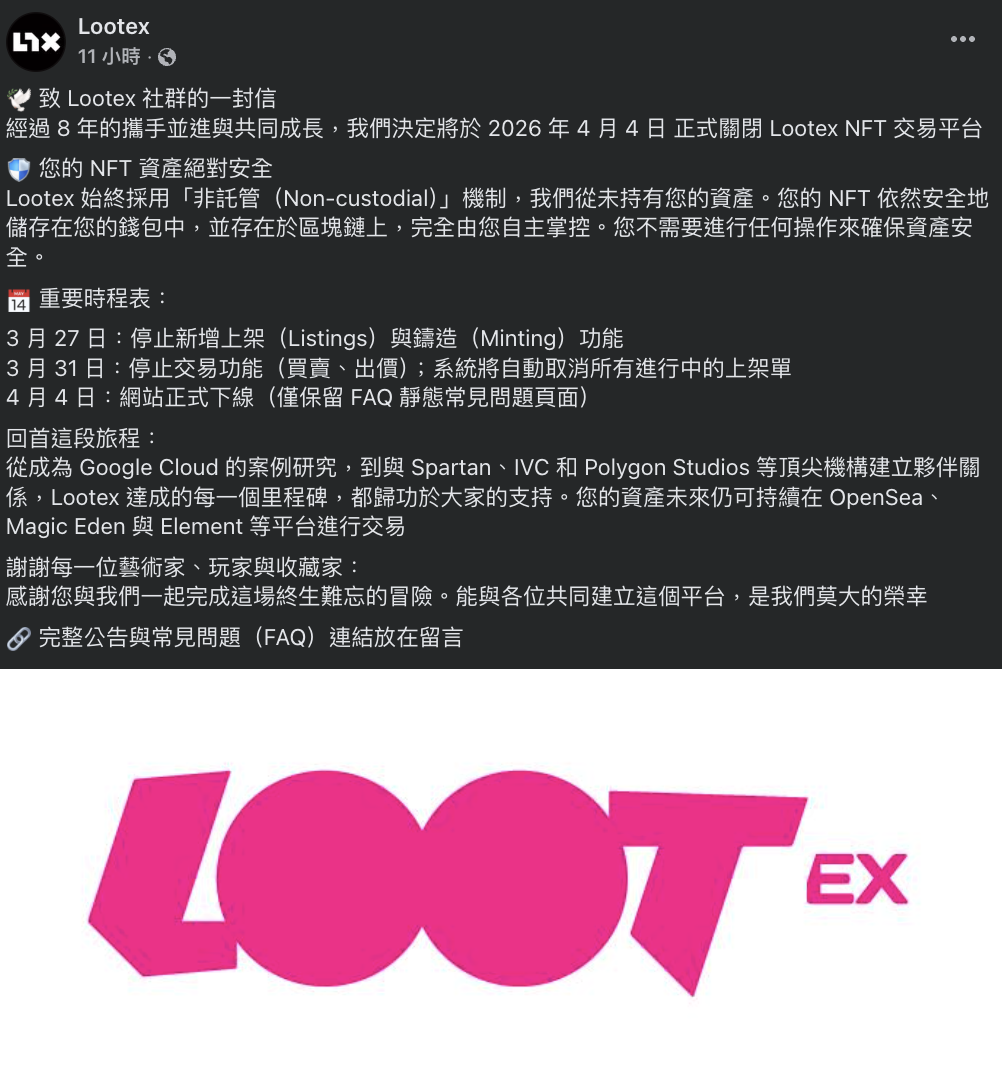
Image Source: Lootex Fan Page Taiwan NFT Platform Lootex Announces Closure on April 4
Over the past 8 years, Lootex has successfully grown from a digital collectibles dream into a comprehensive marketplace serving seven blockchain networks worldwide and spanning multiple ecosystems. However, the operation team stated that in the past two years, the NFT market environment has undergone drastic changes. After careful evaluation, they chose to proactively withdraw when unable to provide an ideal user experience, officially ending this 8-year digital adventure. Founders Justine Lu and David Tseng also posted messages expressing gratitude for the support from users along the way.
- Justine Lu: Time flies, that’s probably the feeling. When I realize it, we’ve been on this long journey together. Thank you to every supporter, user, listener, and fan. Your presence is the true meaning of this product. Words cannot fully express my gratitude, so I just say thank you. Thank you for writing this story with us. I believe the future will be even more exciting.
- David Tseng: To everyone who has ever minted, listed, collected, or simply believed in what we are building: thank you. I am deeply grateful.🙏
Since its inception, Lootex has set numerous milestones, including establishing partnerships with over 50 blockchain games globally and supporting more than 29,000 NFT collections. Its platform influence spans markets in the US, Latin America, and Asia, with over 140,000 connected wallet addresses. Facing the current market structural shifts, Lootex has chosen to handle the aftermath responsibly rather than forcing to maintain the status quo.
This decision marks the end of an important chapter in Taiwan’s early Web3 startup wave and reflects a deep restructuring of the NFT trading market following the decentralized finance wave. The team plans to continue monitoring community channels until April 11, 2026, to assist users with final technical questions.
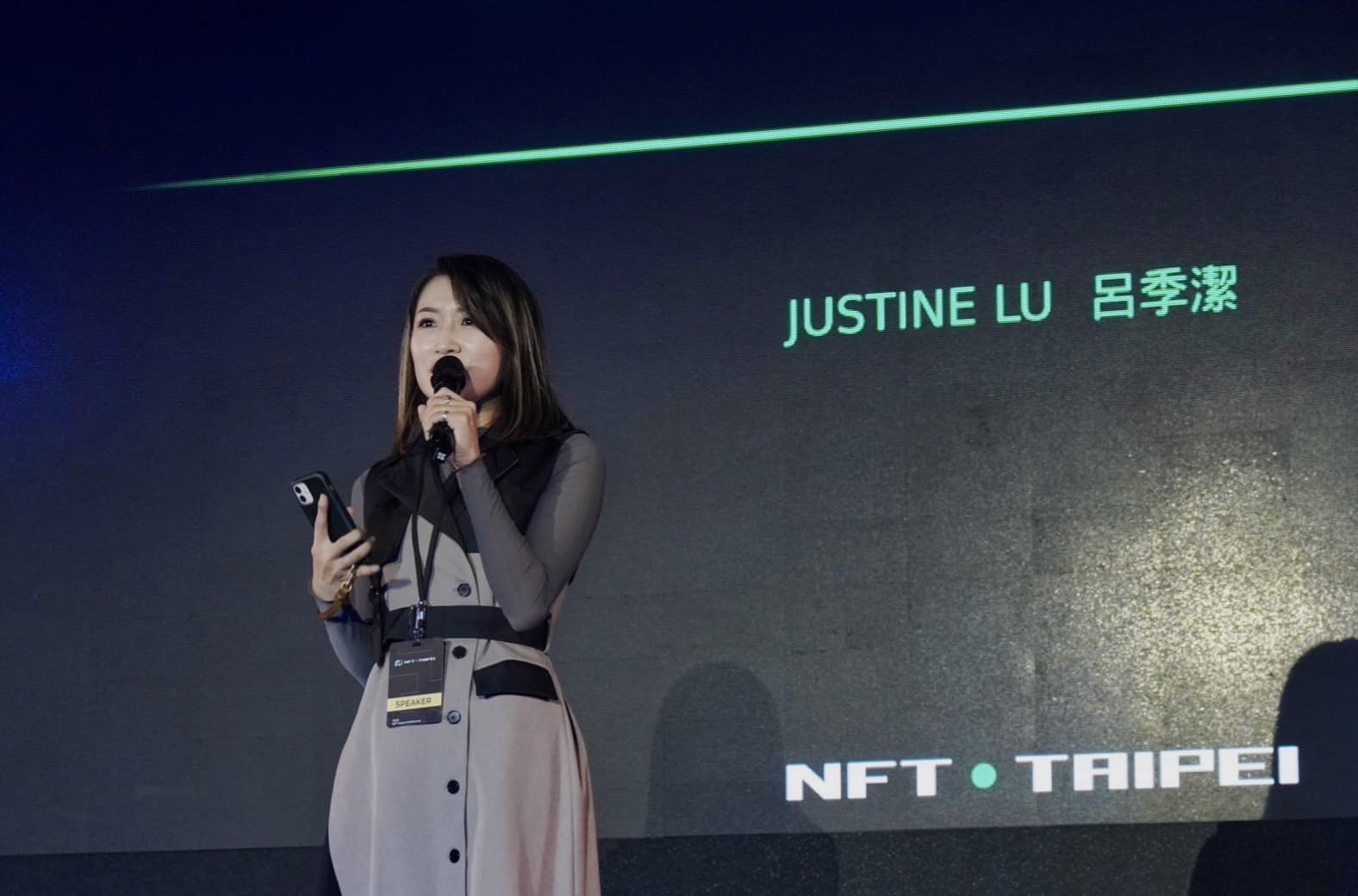
Image Source: Facebook/@justine.lu Lootex Co-Founder Justine Lu
Non-Custodial Mechanism Ensures Asset Security; Users Should Review and Revoke Contract Approvals
Addressing users’ primary concern about asset retention, Lootex emphasizes that all user NFT assets are safe. Since the platform has always adhered to a non-custodial mechanism, it has never held or managed users’ private keys or assets. This means that NFTs deployed on Ethereum, Polygon, BNB Chain, Arbitrum, Avalanche, Mantle, Base, or Soneium remain under the control of users’ own wallets. These assets exist on the blockchain independently of Lootex’s operations, and users do not need to perform any emergency asset transfers. For users accustomed to the platform, existing digital collectibles will remain visible and can continue to circulate on other mainstream markets.
While asset security is guaranteed, Lootex recommends users follow Web3 security best practices by reviewing and revoking previous token approvals granted to the platform’s smart contracts. This can be done via tools like Revoke.cash or Etherscan’s approval checkers. Additionally, the official suggests alternative trading options:
- Ethereum and Polygon users can turn to OpenSea, Blur, or Magic Eden;
- BNB Chain users can use Element Market or OKX NFT;
- Soneium assets are recommended to be transferred to OpenSea.
As for the platform’s native token $LOOT, its on-chain functions will continue to operate independently. It is still tradable on Gate.io, and holders’ rights will not be directly affected by the platform’s closure.
Public Release of Shutdown Schedule; Website to Go Offline on April 4
To ensure an orderly exit process, Lootex has established a strict phased shutdown schedule.
- March 27: The platform will disable new listings and minting functions.
- March 31: All trading functions—including buying, selling, and bidding—will cease. The system will automatically cancel all active listings within their validity period, but ongoing or completed orders will not be affected. All times are in UTC+8; users with active orders are advised to adjust in advance.
- The final website shutdown is scheduled for April 4, 2026.
Afterward, the Lootex website will only host a static FAQ page for user reference. Regarding NFT metadata storage, the official explains that if images and descriptions are stored on IPFS or directly on-chain, this information will continue to exist independently of the platform. Smart contracts deployed on various chains are capable of operating independently and will not be affected by the website’s closure.
Although no new plans have been announced, the technical legacy and commitment to digital ownership left behind by Lootex have already made a mark in blockchain history.
From Taiwan to the World: Reflecting on the Milestones and Cultural Contributions of a Cross-Chain Pioneer
Over the past 8 years, Lootex has demonstrated strong technological innovation and cross-sector collaboration. The platform was once selected by Google Cloud as a case study for its auto-scaling infrastructure, proving its stability under large-scale traffic.
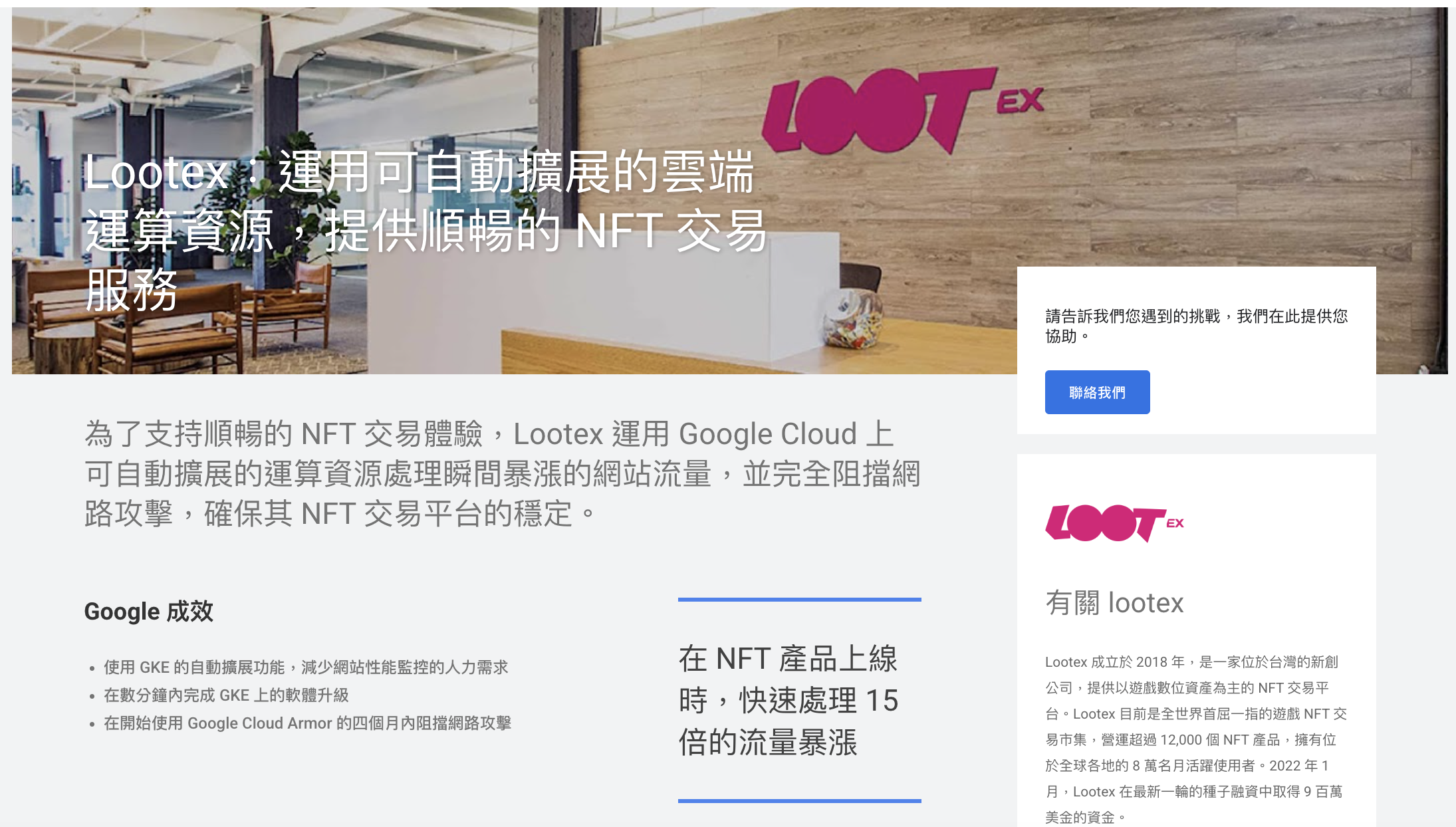
Image Source: Google Cloud Lootex was chosen by Google Cloud as a case study for auto-scaling infrastructure
Technologically, Lootex pioneered the promotion of ERC-4337-based account abstraction, allowing users to log in to Web3 via email or social accounts, significantly lowering entry barriers. In various ecosystems, Lootex has served as a bridge for cultural heritage and digital innovation—for example, collaborating with the Palace Museum on digitizing ancient artworks on Ethereum, and launching “Fight of Animals” 3D NFTs on BNB Chain, turning internet memes into collectible assets.
The platform has played a pioneering role across multiple ecosystems. It is the first NFT marketplace on Mantle blockchain, and through the “404 Journey” project, demonstrated leadership in the ERC-404 standard. Additionally, Lootex collaborated with The Sandbox on Polygon to recreate Along the River During Qingming Festival, and developed a dedicated NFT hub called Biru on Sony-supported Soneium chain. The “Lootex Base Summer” event on Base chain also led many gaming projects to integrate.
These milestones reflect Lootex’s dedication to the mission that “digital ownership should be real and portable.” Even as the platform closes in April, this journey of over 2,900 days has left a valuable legacy in Taiwan’s blockchain industry, becoming an indelible symbol of the digital collectibles era.
Disclaimer: The information on this page may come from third parties and does not represent the views or opinions of Gate. The content displayed on this page is for reference only and does not constitute any financial, investment, or legal advice. Gate does not guarantee the accuracy or completeness of the information and shall not be liable for any losses arising from the use of this information. Virtual asset investments carry high risks and are subject to significant price volatility. You may lose all of your invested principal. Please fully understand the relevant risks and make prudent decisions based on your own financial situation and risk tolerance. For details, please refer to
Disclaimer.


