As the commercial space industry enters a phase of rapid expansion, more investors are turning their attention to its long-term growth opportunities. Unlike traditional aerospace companies that rely heavily on government contracts, commercial space firms are lowering launch costs through technological innovation while scaling businesses such as satellite communications and commercial launch services.
Against this backdrop, SpaceX has built a clear competitive edge through its reusable rocket technology and the Starlink satellite internet project. It has not only reshaped the cost structure of the commercial launch market but also expanded the boundaries of satellite communications, making it one of the most representative high-growth companies in the sector.
Where Does SpaceX’s Growth Come From?
SpaceX’s growth is driven by two core segments: its rocket launch business and the Starlink satellite internet network.
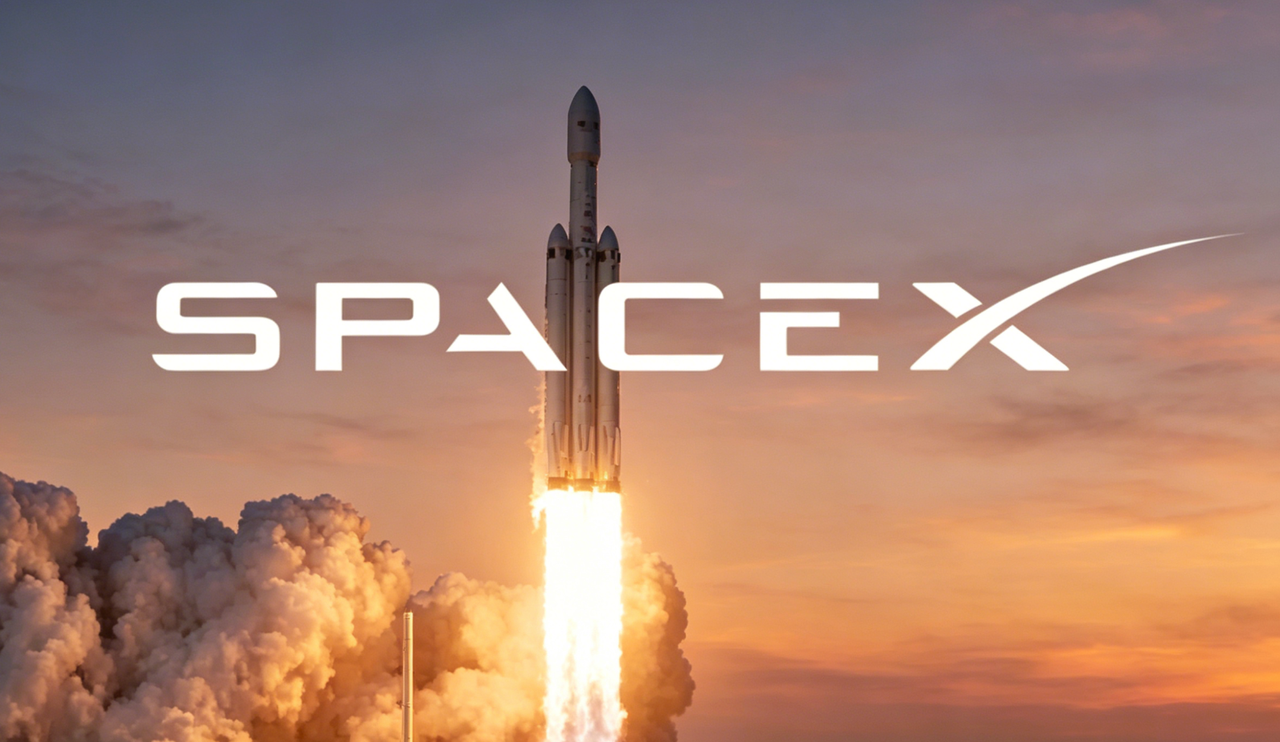
In launch services, SpaceX has significantly reduced costs through reusable rocket technology, while also increasing launch frequency and operational efficiency. This cost advantage strengthens its competitiveness in the global commercial launch market and supports continued market share expansion.
By contrast, Starlink offers a much broader long-term growth narrative. Launch revenue is largely project-based, while satellite internet services generate recurring subscription income. As global demand for connectivity continues to expand, Starlink is expected to provide a more stable and scalable source of cash flow, strengthening SpaceX’s overall business model.
What Is the Logic Behind SpaceX’s Valuation?
SpaceX’s valuation is built on three core pillars:
First, technological barriers. Reusable rocket technology lowers launch costs and improves efficiency, creating a strong competitive moat in the commercial space sector.
Second, high-growth market potential. Both commercial space and satellite internet industries are still expanding rapidly, and this expected market growth supports higher valuation multiples.
Third, long-term cash flow expectations. Starlink’s subscription-based model encourages the market to assign a growth premium, as recurring revenue is typically valued more highly than one-time project income.
As a result, SpaceX’s valuation is not determined solely by its current revenue, but also by its future market opportunity and long-term profitability.
Why Is Starlink Central to SpaceX’s Valuation?
Within SpaceX’s valuation framework, Starlink is considered a key growth engine.
While the launch business established SpaceX’s industry leadership, its revenue is largely tied to individual missions. Starlink, on the other hand, introduces a recurring subscription model through satellite broadband services, making the company’s revenue structure more stable.
From a capital markets perspective, stable and scalable subscription revenue typically commands higher valuation premiums. If Starlink continues to expand its user base globally, SpaceX could evolve from a commercial aerospace company into a major player in global communications infrastructure, which is a critical driver behind its rising valuation.
Why Does SpaceX’s High Valuation Attract Investors?
SpaceX appeals to investors because it combines technological leadership, market expansion potential, and scarcity.
On one hand, both commercial space and satellite internet are long-term growth sectors with significant market potential. On the other, SpaceX remains privately held, making it difficult for retail investors to gain direct exposure. This creates a sense of scarcity in the private market.
This combination of high growth and limited access allows SpaceX to command a valuation premium compared to traditional aerospace companies, and positions it as one of the most sought-after pre-IPO investment opportunities.
What Risks Lie Behind SpaceX’s High Valuation?
Despite its strong growth potential, SpaceX’s high valuation comes with several risks.
First, the commercial space industry has high technical barriers. Rocket launches and satellite deployment involve significant R&D costs and execution risks. Any major technical failure could impact business progress and market confidence.
Second, much of SpaceX’s valuation is based on future growth expectations. If Starlink’s user growth falls short of expectations, or if global expansion faces regulatory constraints, valuation pressures could emerge.
In addition, competition in both commercial space and satellite communications is intensifying. If competitors achieve breakthroughs in cost or technology, SpaceX’s current valuation advantage could be challenged.
For these reasons, while SpaceX’s long-term outlook is compelling, its high valuation also reflects a considerable degree of uncertainty.
Conclusion
SpaceX’s valuation potential is driven by two primary factors: the cost advantages created by reusable rocket technology and the long-term revenue potential of the Starlink satellite internet business.
By combining technological barriers, high-growth markets, and recurring cash flow expectations, SpaceX has developed a valuation framework that differs from traditional aerospace companies. This model continues to support its premium valuation in the private market and makes it one of the most closely watched unlisted companies.
However, alongside its growth potential, investors must also consider risks related to technical execution, market competition, and valuation expectations in order to form a more balanced view of its long-term investment value.
FAQs
What are SpaceX’s main growth drivers?
SpaceX’s growth is primarily driven by its commercial rocket launch business and the Starlink satellite internet network, with Starlink seen as the key long-term growth engine.
Why is SpaceX valued higher than traditional aerospace companies?
Because it combines strong technological advantages with long-term revenue potential, its valuation framework is closer to that of a high-growth technology company rather than a traditional industrial firm.
Why is Starlink so important to SpaceX’s valuation?
Because it generates recurring subscription revenue, helping create stable cash flow and supporting higher valuation multiples.
What risks does SpaceX’s high valuation face?
Key risks include technical execution challenges, slower-than-expected Starlink growth, and increasing competition in the commercial space industry.