


热门话题
查看更多1.85万 热度
2.39万 热度
1.69万 热度
1.65万 热度
9.88万 热度
热门 Gate Fun
查看更多- 市值:$3654.79持有人数:20.44%
- 市值:$3611.94持有人数:20.23%
- 市值:$5608.46持有人数:29.32%
- 市值:$3758.86持有人数:30.89%
- 市值:$3555.17持有人数:10.00%





置顶
Gate 广场创作者新春激励正式开启,发帖解锁 $60,000 豪华奖池
如何参与:
报名活动表单:https://www.gate.com/questionnaire/7315
使用广场任意发帖小工具,搭配文字发布内容即可
丰厚奖励一览:
发帖即可可瓜分 $25,000 奖池
10 位幸运用户:获得 1 GT + Gate 鸭舌帽
Top 发帖奖励:发帖与互动越多,排名越高,赢取 Gate 新年周边、Gate 双肩包等好礼
新手专属福利:首帖即得 $50 奖励,继续发帖还能瓜分 $10,000 新手奖池
活动时间:2026 年 1 月 8 日 16:00 – 1 月 26 日 24:00(UTC+8)
详情:https://www.gate.com/announcements/article/49112来Gate广场发帖分享你的GateAI 使用感受,赢丰厚奖励!
🎁 精选10 位幸运用户,每人奖励 $10 仓位体验券!
📌 如何参与?
1️⃣ 关注 Gate 广场_Official
2️⃣ 在广场发帖,带上话题 #我的GateAI使用体验,帖文需附上使用GateAI页面的截图
3️⃣ 创作内容表达使用感受、建议等不限
3️⃣ 帖子内容 不少于 30 字,且仅带本活动话题标签
GateAI上线详情:https://www.gate.com/announcements/article/49070
活动截止时间:2026/01/15 18:00(UTC+8)
快来广场分享你的 GateAI 使用感受吧 🚀每天看行情、刷大佬观点,却不发声?你的观点可能比你想的更有价值!
广场新人 & 回归福利进行中!首次发帖或久违回归,直接送你奖励!
每月 $20,000 奖金等你瓜分!
在广场带 #我在广场发首帖 发布首帖或回归帖即可领取 $50 仓位体验券
月度发帖王和互动王还将各获额外 50U 奖励
你的加密观点可能启发无数人,开始创作之旅吧!
👉️ https://www.gate.com/postGate 广场「创作者认证激励计划」优质创作者持续招募中!
立即加入,发布优质内容,参与活动即可瓜分月度 $10,000+ 创作奖励!
认证申请步骤:
1️⃣ 打开 App 首页底部【广场】 → 点击右上角头像进入个人主页
2️⃣ 点击头像右下角【申请认证】,提交申请等待审核
立即报名:https://www.gate.com/questionnaire/7159
豪华代币奖池、Gate 精美周边、流量曝光等超 $10,000 丰厚奖励等你拿!
活动详情:https://www.gate.com/announcements/article/47889Gate 2025 年终盛典|广场 TOP50 榜单正式公布!
冲榜关键期已开启,看直播、发帖即可获得助力值
30 助力值 = 1 票,快来为你喜爱的创作者投票
👉 https://www.gate.com/activities/community-vote-2025
iPhone 17 Pro Max、京东 E 卡、小米手环、Gate 独家周边、仓位体验券等你赢!
内容达人也欢迎积极发帖拉票,冲榜赢取荣誉与奖励!
投票截止:1 月 20 日 10:00(UTC+8)
详情:https://www.gate.com/announcements/article/48693
Bitcoin Water Footprint Adds Pressure to Mining Regulations: Report
Disclosure: Crypto is a high-risk asset class. This article is provided for informational purposes and does not constitute investment advice. By using this website, you agree to our terms and conditions. We may utilise affiliate links within our content, and receive commission.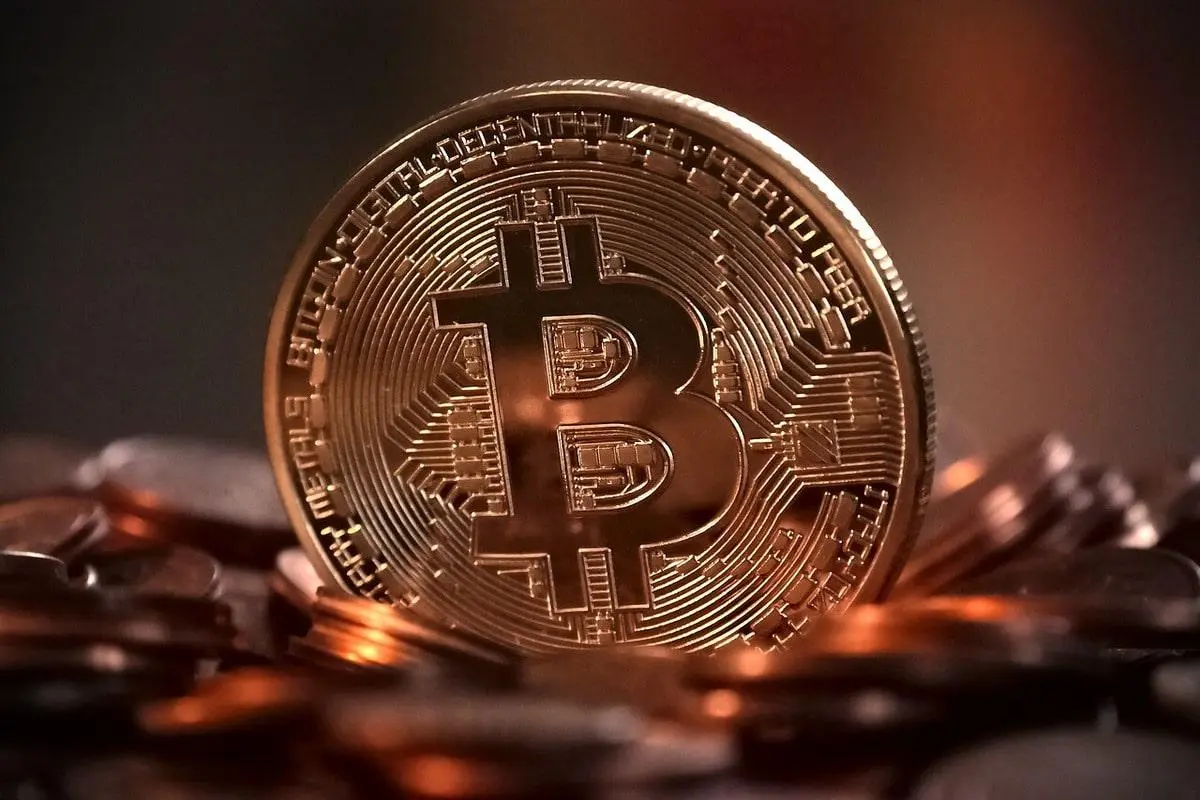 Source: Pixabay / Michael WuenschPopular Bitcoin (BTC) critic Alex De Vries says the asset uses about 16,000 liters of water which can fill a pool for each transaction on the network, a claim that has sparked diverse reactions
In a study released on Nov 29, De Vries opined that Bitcoin has a growing water footprint in addition to its already existing high energy usage. The claims have received several reactions including pushbacks by pro-BTC commentators and support from some analysts.
According to the report, BTC’s water footprint has surged in recent years as adoption and mining activity continue to grow. The network recorded a surge of water usage by 166% in 2021 compared to 2020 figures.
Notably, 2021 was essentially a bull market that saw the asset tap its all-time high boosting the overall eco. While the water footprint in 2021 stood at 1,573.7 GL, it was a mere 591.2 GL the previous year.
The combination of cooling s and indirect sources is the reason behind the huge numbers. However, the trend can be reversed by immersion cooling and moving to sources that do not require fresh water and an ultimate change in network software.
The report comes at a time when Bitcoin miners are already facing headwinds from regulators over its high energy usage compared to several countries. Authorities and climate activists continue to mount pressure on miners by issuing outright bans, resuming energy supply, and imposing taxes to reduce their carbon footprint.
In 2021, China banned digital asset mining activities citing climate concerns setting the time for other government sanctions. This year, Kazakhstan has reduced the supply of electricity to Bitcoin miners while the White House attempted to impose a 30% cryptocurrency mining tax.
More regulations? Analysts are divided
Some Analysts have said the study might impact the industry negatively as tighter mining regulations would be imposed. However, others wrote it off calling the comparison unfair adding that he has always been a Bitcoin critic
His research platform previously published Bitcoin transactions comparing each to “808,554 Visa transactions or 60,802 hours of watching YouTube.”
This metric has been downplayed by the Cambridge University Center for Alternative Finance as they noted that, “transaction throughput is independent of the network’s electricity consumption. Adding more mining equipment and thus increasing electricity consumption will have no impact on the number of processed transactions.”
Similarly, Daniel Batten added that De Vries has a niche for making widely inaccurate statements about Bitcoin coupled with the fact that he is a staff of the Dutch central bank and a long-standing critic of the top cryptocurrency.