HenriqueCen

vip
Age 2.3 Year
Peak Tier 0
No content yet
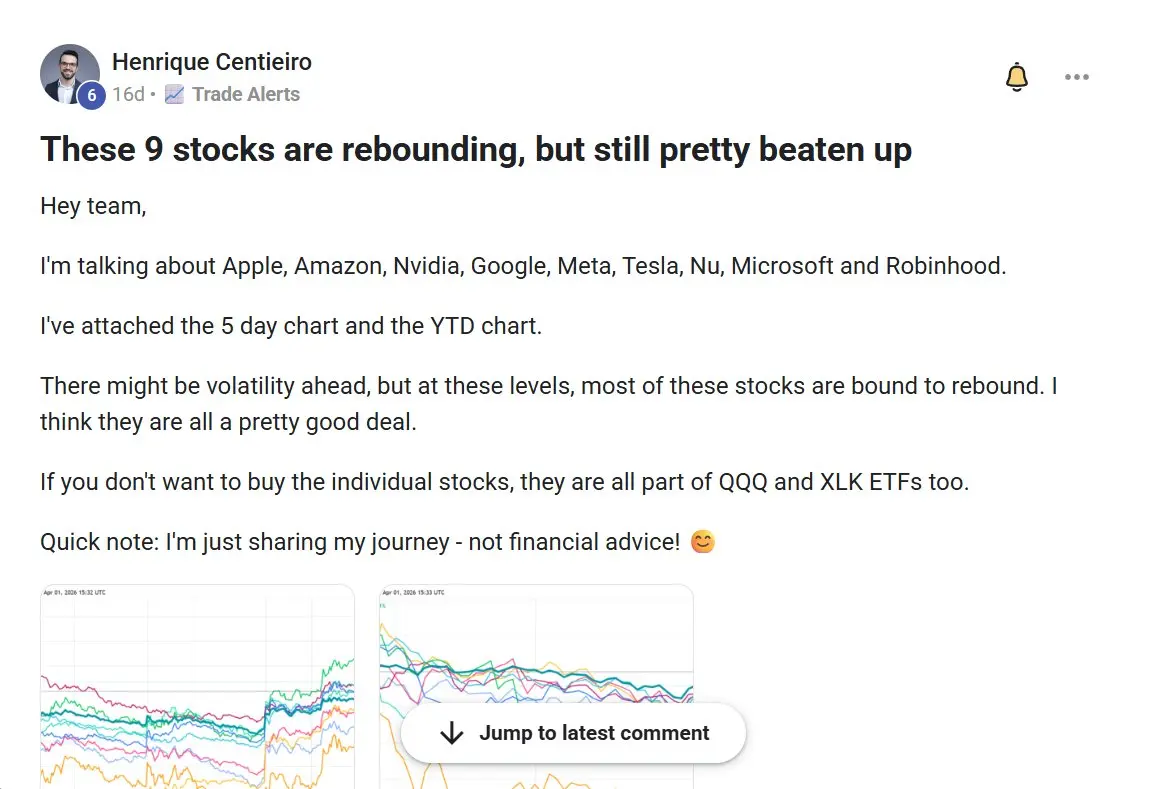
2 weeks ago and now.
Just saying...
post-image
  • Reward
  • Comment
  • Repost
  • Share
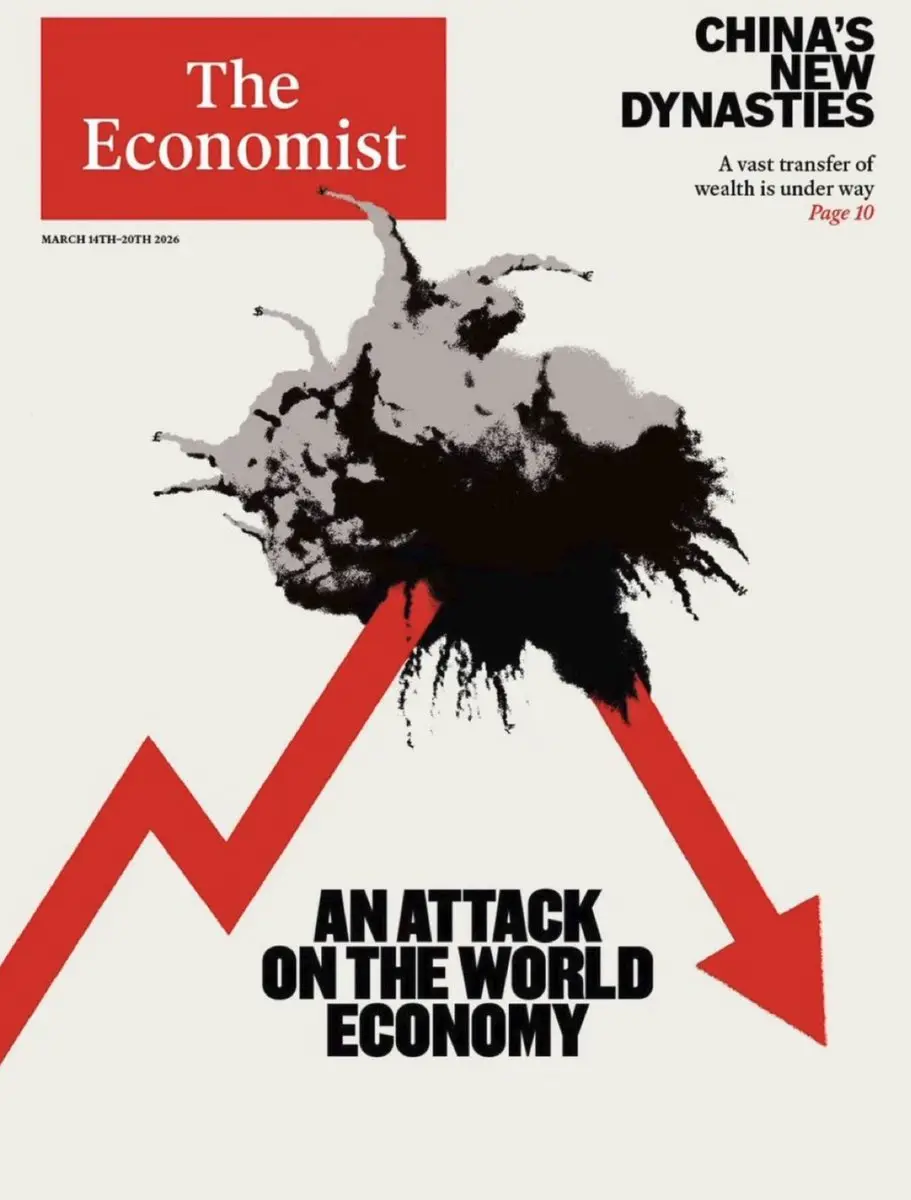
THREAD: Everyone's panicking about the 2026 oil shock, comparing it to the 1970s crisis.
But they're missing something crucial.
This time is DIFFERENT — and it might actually benefit the U.S. economy.
Here are 8 reasons why: 👇
  • Reward
  • Comment
  • Repost
  • Share
First, let's revisit the 1970s nightmare:
📉 Oil prices jumped 400% (then 1,000% by 1980)
📉 GDP fell 3.2%
📉 Stocks crashed 47%
📉 Unemployment hit 9%
📉 Inflation soared to 15%
Gas stations ran dry. Americans waited hours for fuel.
It was economic devastation.
  • Reward
  • Comment
  • Repost
  • Share
Fast forward to 2026:
Iran closed the Strait of Hormuz — the world's most critical oil passage.
🔴 Brent crude surged from $70 to $126
🔴 S&P 500 dropped 8%
🔴 IEA called it the "largest supply disruption in history"
Everyone's freaking out.
But here's what they're missing:
  • Reward
  • Comment
  • Repost
  • Share
2. U.S. IS NOW AN LNG SUPERPOWER
The Strait disruption threatens 20% of global LNG supply.
The best alternative? American LNG.
📈 Venture Global stock jumped 40% in a month
📈 Cheniere Energy rose 15%
Asia is literally calling U.S. exporters begging for supplies.
  • Reward
  • Comment
  • Repost
  • Share
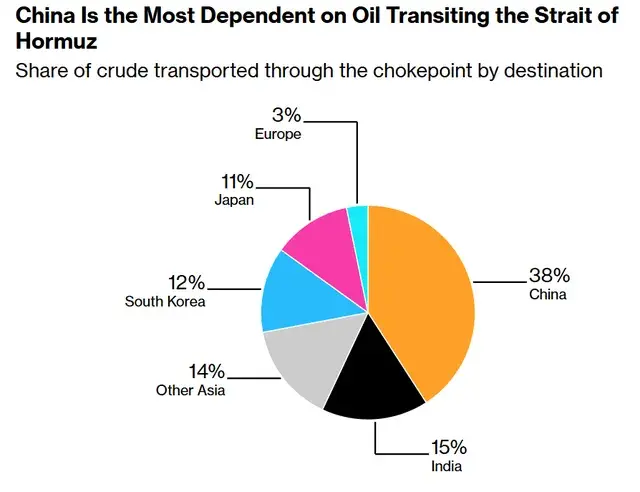
3. THE PAIN IS ASYMMETRIC — ASIA BEARS IT MOST
Only 2-5% of Hormuz oil goes to the U.S.
75% goes to 4 Asian economies: China, India, Japan, South Korea
🇨🇳 China alone imports 11M barrels/day from the Middle East
For America: price inconvenience
For Asia: potential supply crisis
post-image
  • Reward
  • Comment
  • Repost
  • Share
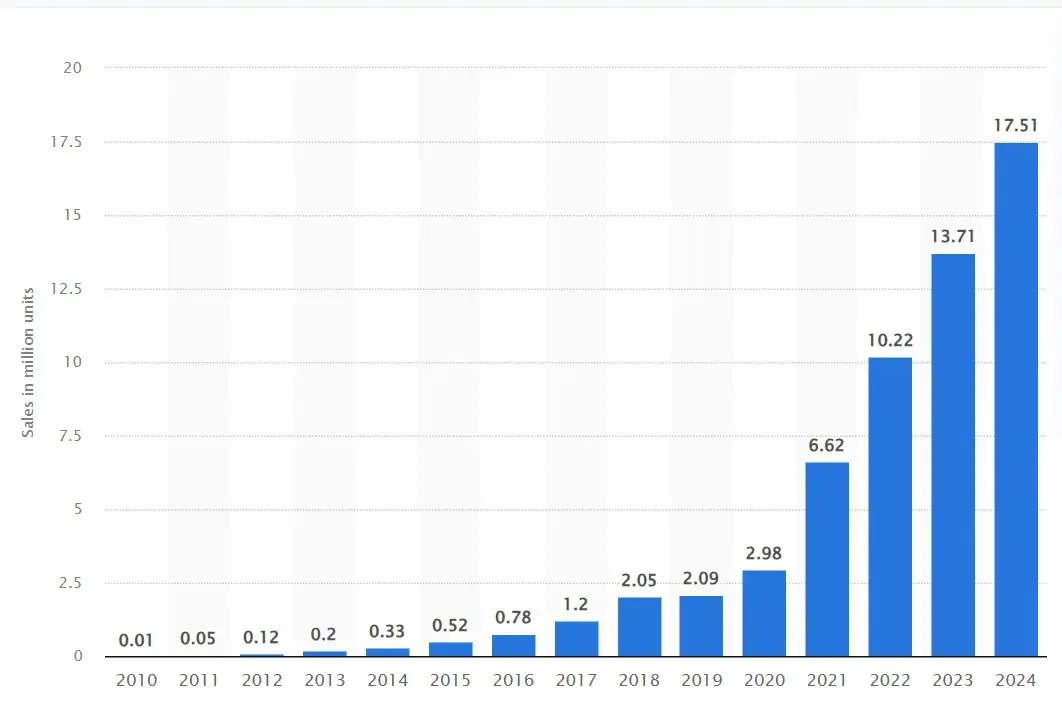
4. RENEWABLES & EVs ARE REDUCING OIL DEPENDENCE
1970s: ZERO alternatives to oil
2026: 70M+ electric vehicles worldwide, reducing oil dependency by 5M barrels/day
The crisis is actually ACCELERATING EV adoption.
American companies like Tesla benefit massively from this shift.
post-image
  • Reward
  • Comment
  • Repost
  • Share
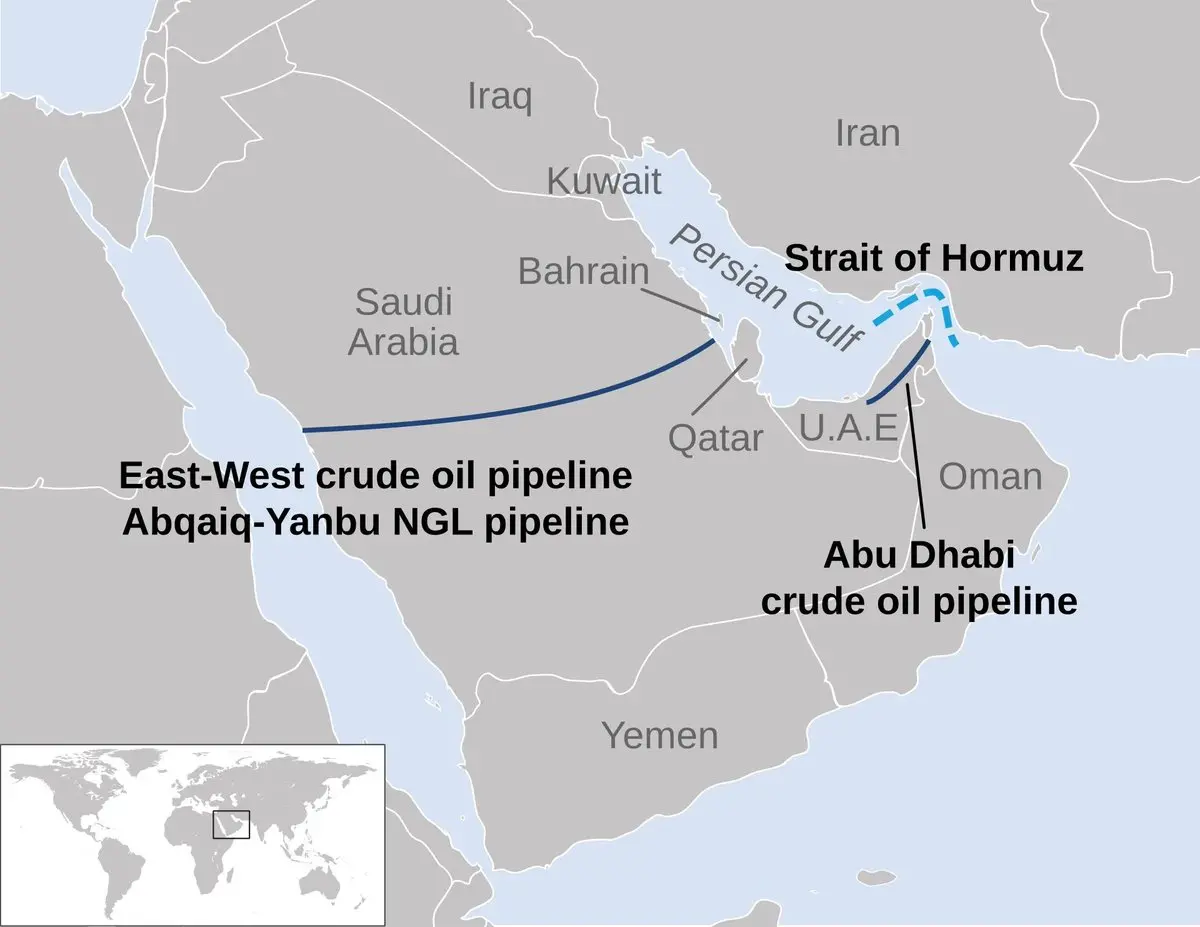
5. STRATEGIC RESERVES & INFRASTRUCTURE EVOLVED
1970s: Almost no strategic reserves existed
2026: U.S. and allies released 400M barrels (largest ever)
Plus: Saudi Arabia & UAE rerouted oil via pipelines that BYPASS Hormuz
Countries now have tools that didn't exist 50 years ago.
post-image
  • Reward
  • Comment
  • Repost
  • Share
Nobody is saying this, but I will say it:
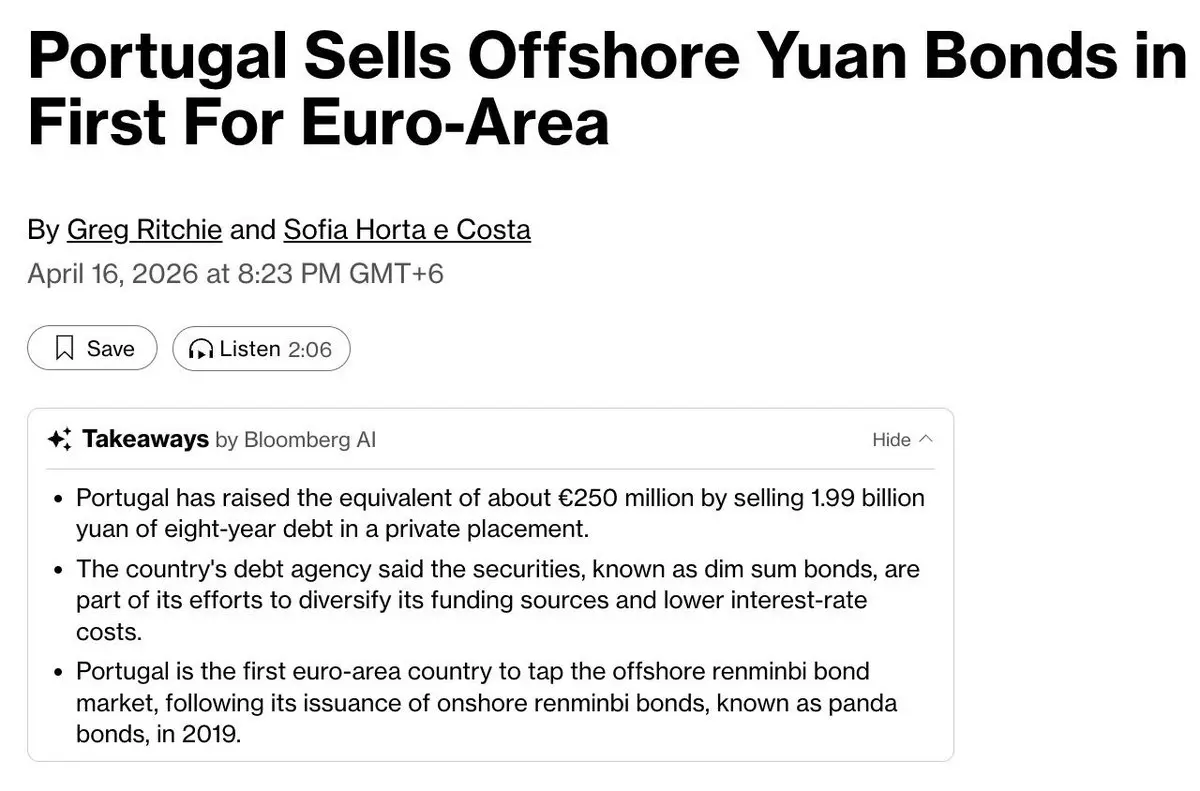
Portugal's selling of Yuan-denominated bonds is a bet on the depreciation of the Chinese currency.
CNY will lose value against EUR and USD and the repayment will be cheaper. This is pretty obvious when you look at the M2 Money Supply.
post-image
  • Reward
  • 1
  • Repost
  • Share
PerfectNo.2:
Just charge forward 👊
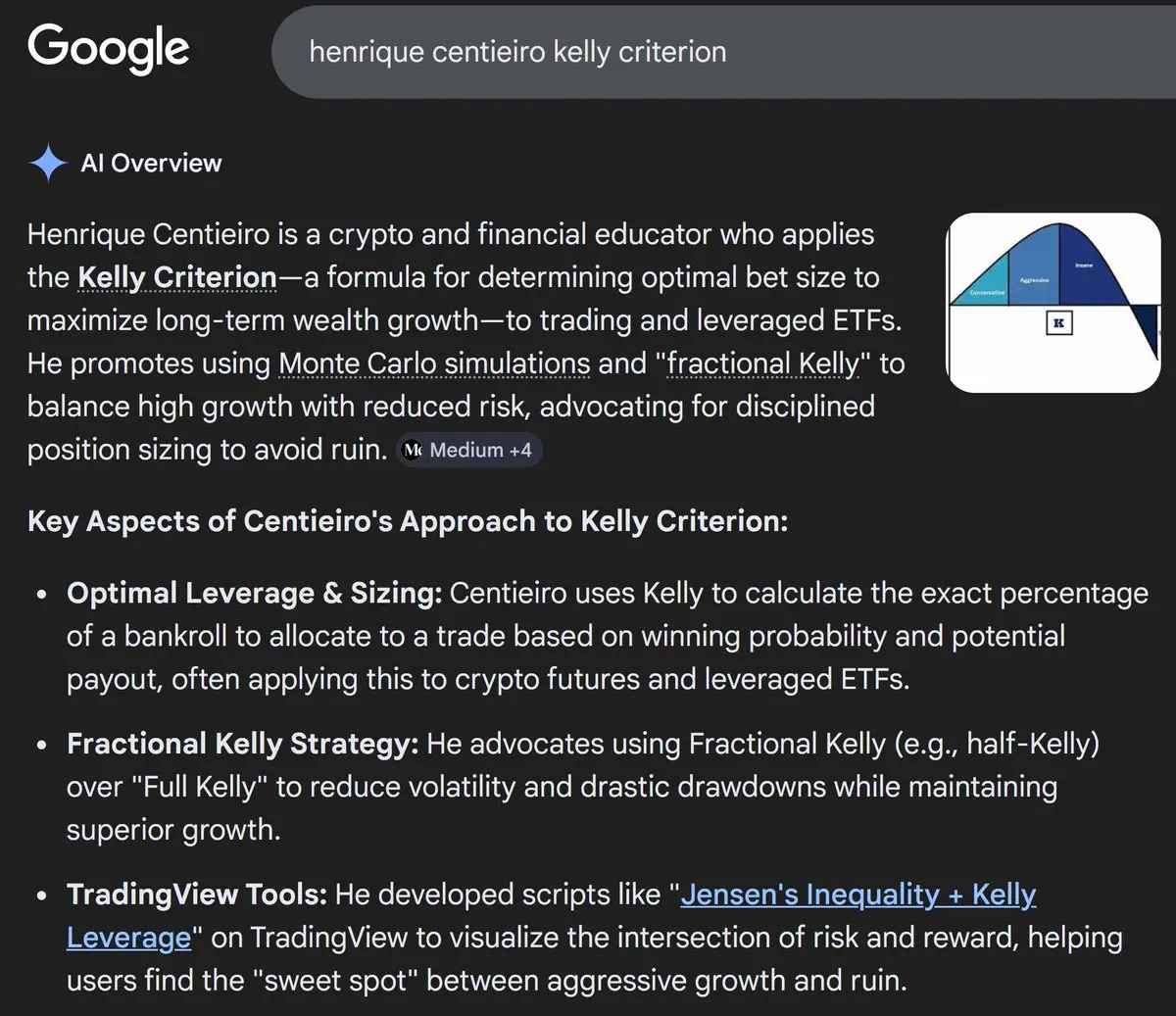
I've probably spent over 1000 hours studying and working on the Kelly Criterion.
post-image
  • Reward
  • Comment
  • Repost
  • Share
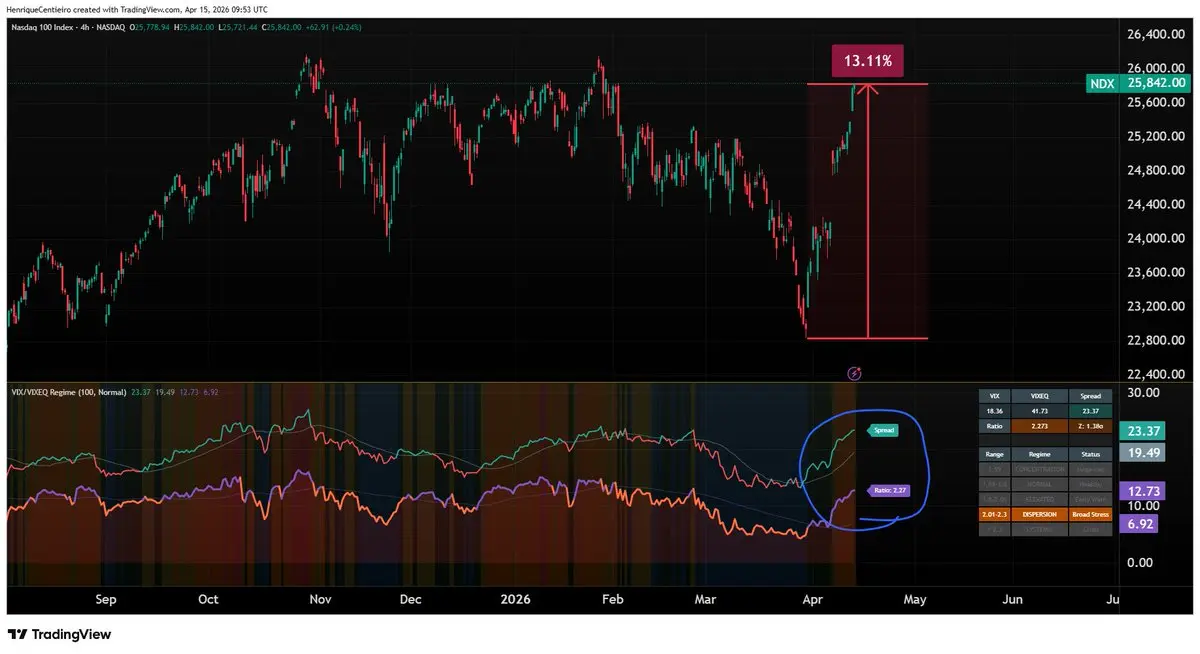
NDX just ripped +13% off the lows… but look under the hood.VIX is calm at ~18.4
VIXEQ is exploding at 41.7
Ratio → 2.27 → DISPERSION regime (Broad Stress).
Simple breakdown:
- The VIX measures expected volatility of the overall S&P 500 index (heavily influenced by a few mega-cap stocks).
- VIXEQ measures the average expected volatility of individual S&P 500 stocks.
When VIXEQ is much higher than VIX (high ratio), it means the broader market is pricing in a lot more fear and bigger potential swings in individual stocks
The NDX rally is being carried by a handful of mega-caps, but underneath, th
post-image
  • Reward
  • Comment
  • Repost
  • Share
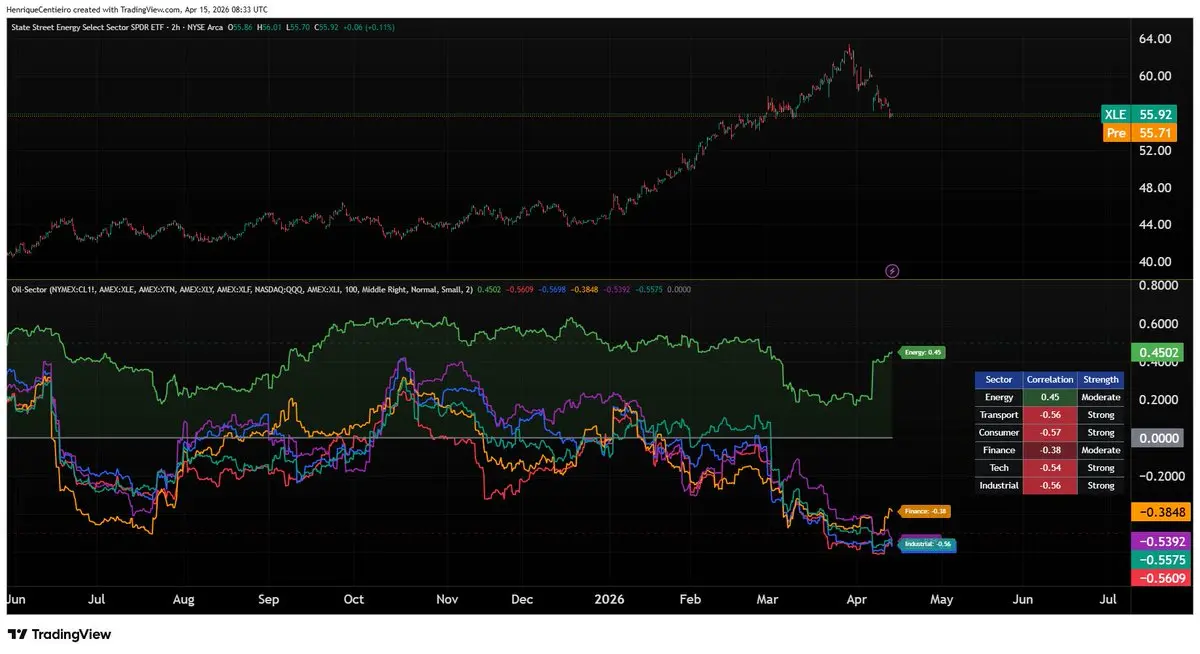
The Pearson correlation coefficient is underrated.
- Speed: One number tells you if two variables move together (-1 to +1). No complex models needed.
- Sector diversification: Helps build truly diversified portfolios. If tech and semiconductors = 0.92 correlation, you're not actually diversified.
- Predictive power: Found 0.45 correlation between energy sector performance and oil prices. That's actionable insight for entry/exit timing.
post-image
  • Reward
  • Comment
  • Repost
  • Share
What if you allocated 10% to UPRO?
10-year comparison:
- SPY (S&P 500): +296%
- UPRO (3X leveraged): +1,000%
The interesting part:
A $10,000 portfolio with just 10% in UPRO and 90% in SPY would have returned $50,000+ vs. $40,000 from SPY alone.
The asymmetry: You risk losing 10% max (your allocation), but the upside potential is significantly higher.
  • Reward
  • Comment
  • Repost
  • Share
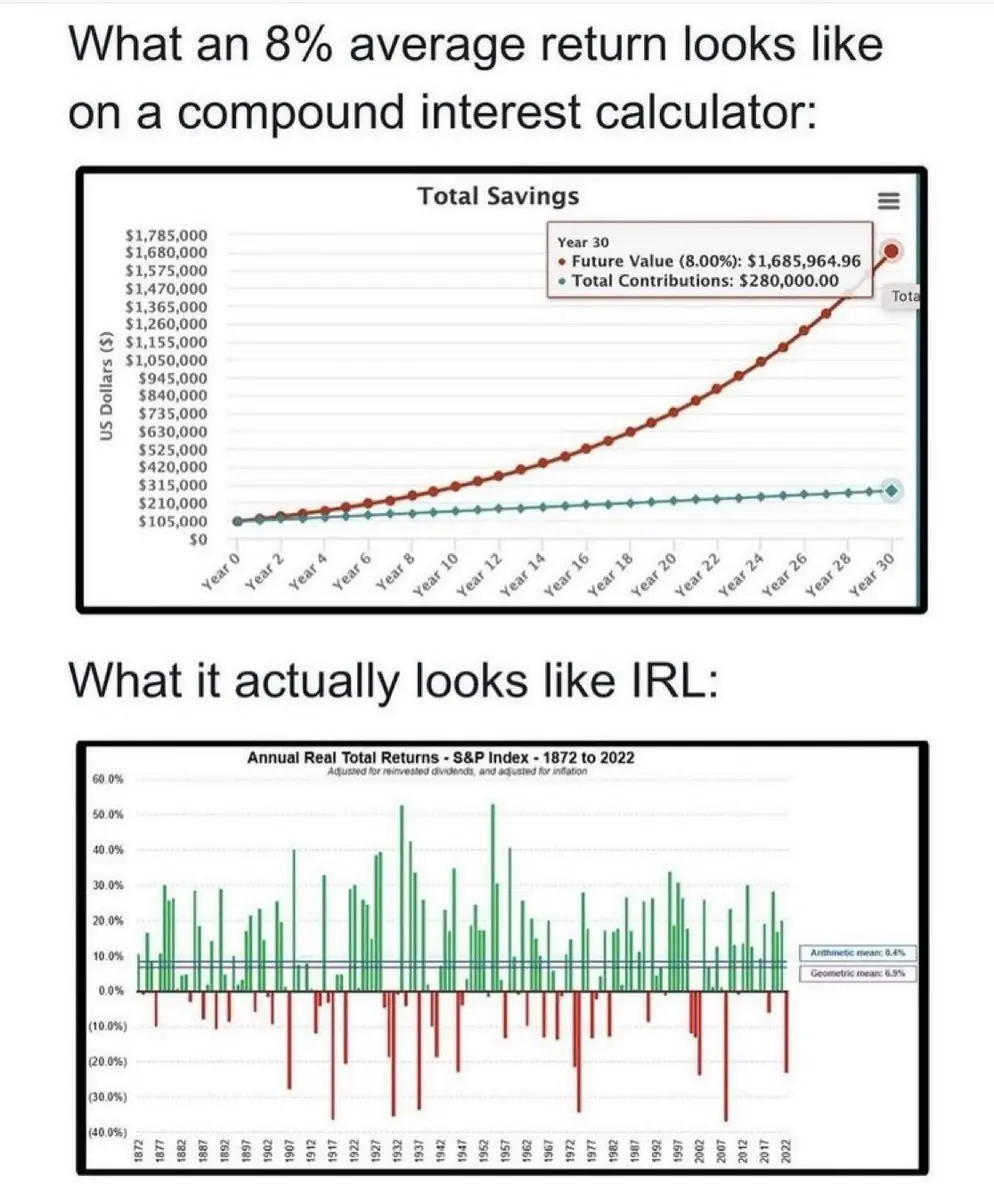
Stock market returns are never linear and almost never "average".
Some years it will return -10%, some years +22%. What matters is time in the market.
post-image
  • Reward
  • Comment
  • Repost
  • Share
Dividends feel great, but most likely they are hurting your returns.
Compare SPY vs CSPX (both S&P 500 ETFs):
📈 SPY (pays dividends): +483% over 15 years
📈 CSPX (reinvests dividends): +638% over 15 years
That's a massive gap, and it comes down to two things:
1. Compounding — reinvested dividends generate their own returns
2. Tax efficiency — in many countries, you're taxed on dividends but not on unrealized gains
Unless you need dividend income to cover expenses, reinvesting is almost always the smarter move.
  • Reward
  • Comment
  • Repost
  • Share
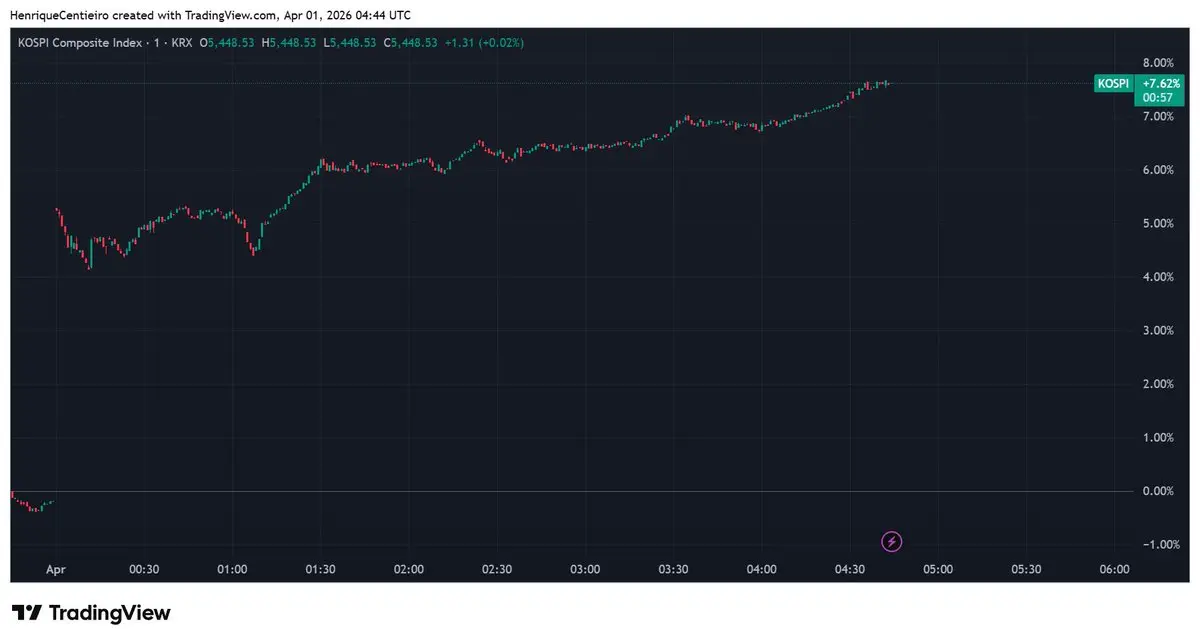
Yesterday, I showed you $KOSPI was looking ripe. Today, we are collecting the fruits.
post-image
  • Reward
  • Comment
  • Repost
  • Share
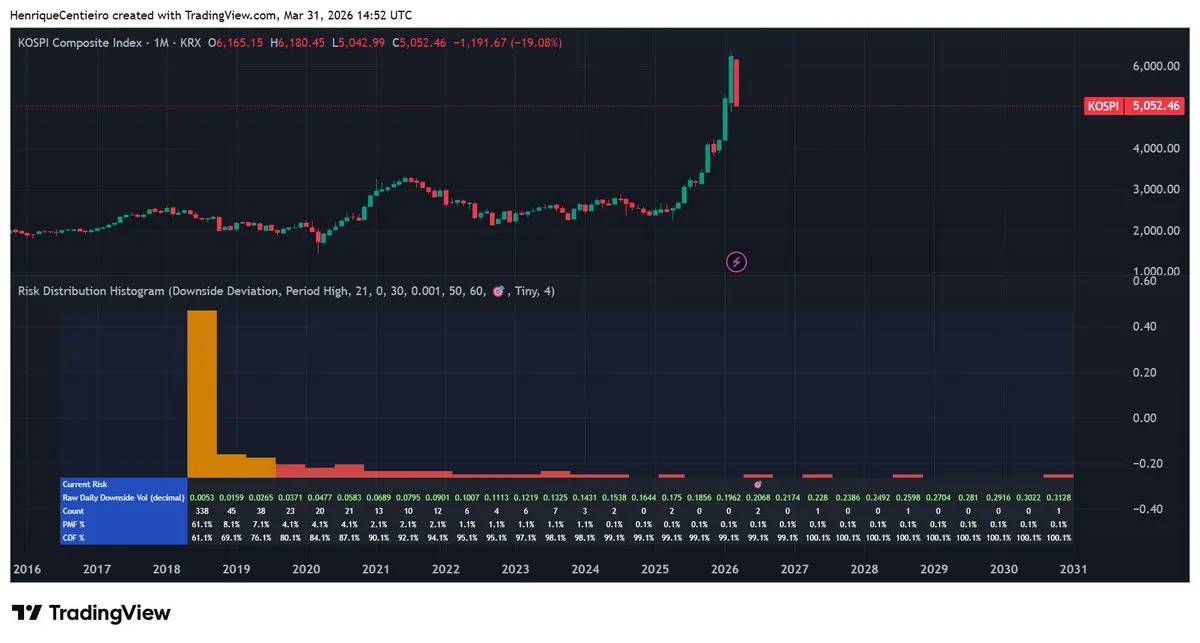
$KOSPI: Since 1980, there were only 3 months worse than the last month for the Korean stock market.
post-image
  • Reward
  • Comment
  • Repost
  • Share
$VIX term structure is back to contango. This is good.
  • Reward
  • Comment
  • Repost
  • Share
Here's a good buy signal.
post-image
  • Reward
  • Comment
  • Repost
  • Share
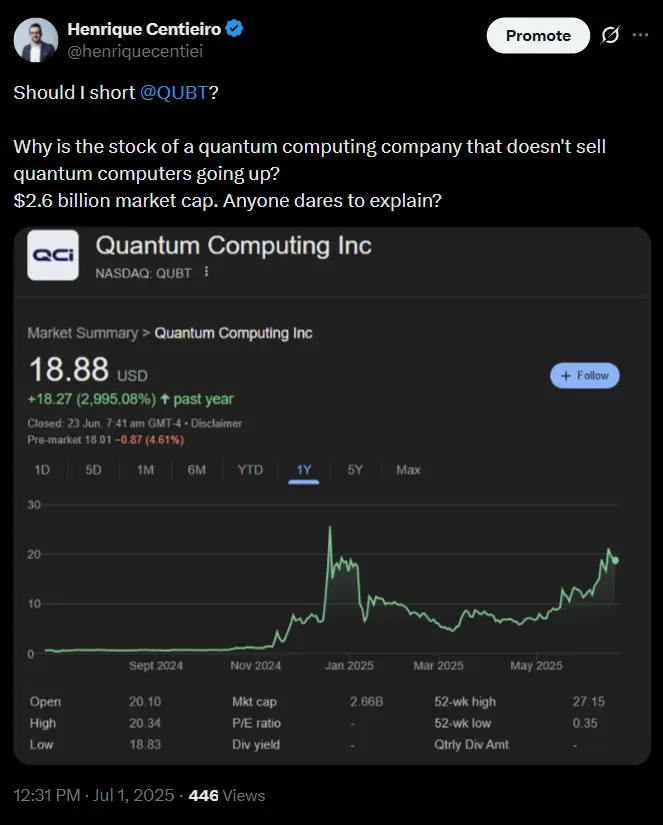
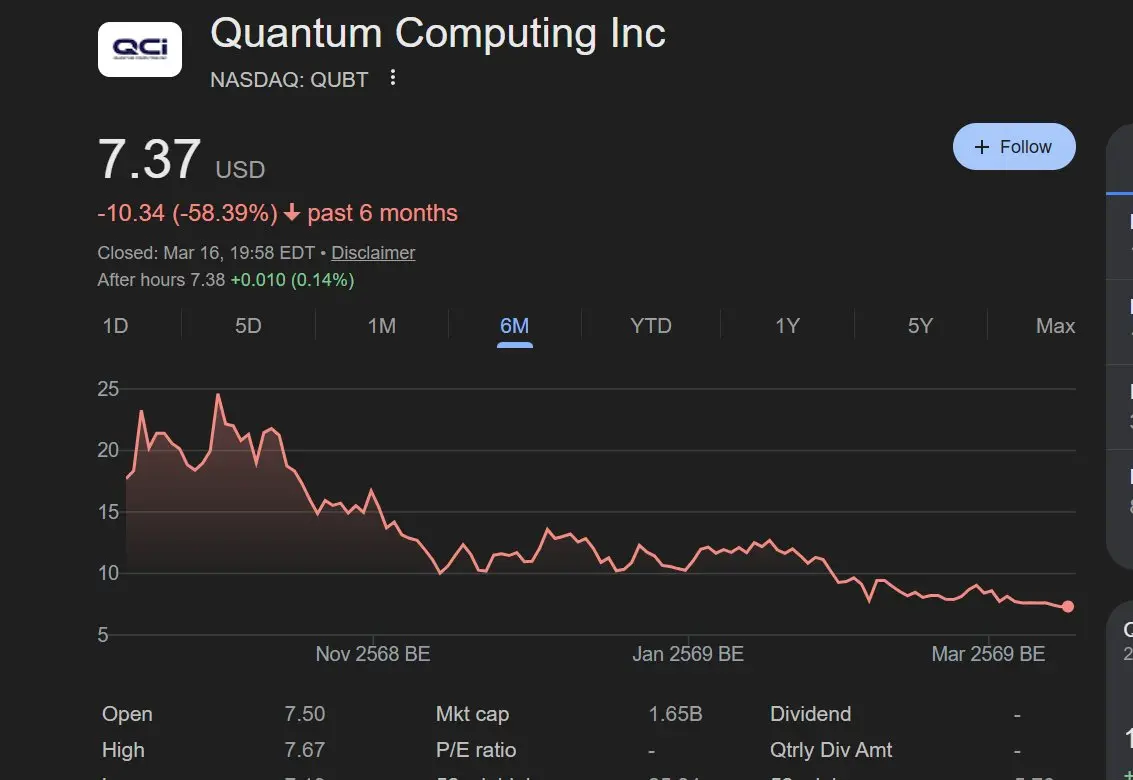
$QUBT Quantum Computing stock has gone down 60% since I talked about shorting it.
It was very obvious that the stock was overpriced.
Still, the problem with shorting is the classic "the market can stay irrational longer than you can stay solvent."
post-image
post-image
  • Reward
  • Comment
  • Repost
  • Share
  • Pin