Create Your Crypto Wallet: Easy Sign-Up Guide

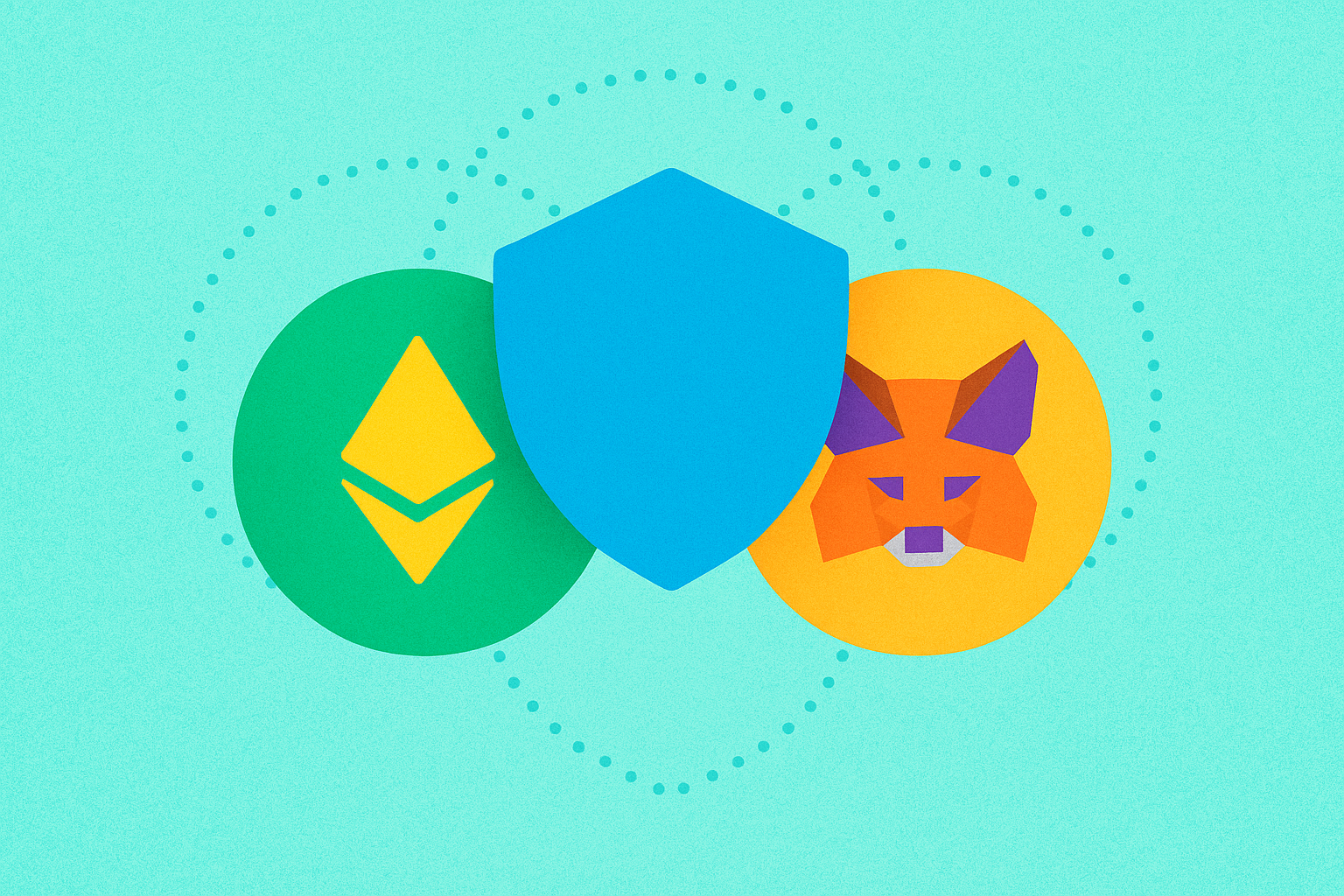
How to Import MetaMask Wallet to a Multi-Chain Wallet: Guide for Ethereum Wallet Users
Importing your MetaMask Wallet to a multi-chain wallet platform is a straightforward process that allows you to access your Ethereum assets through a more versatile wallet solution. Multi-chain wallets support numerous blockchains and provide enhanced security features while maintaining compatibility with popular Ethereum-based applications. This comprehensive guide will walk you through the entire process of securely transferring your wallet using your 12-word recovery phrase, whether you're managing an existing MetaMask account or considering a MetaMask sign up for the first time.
Step-by-Step: Import MetaMask Wallet to Multi-Chain Platforms (Ethereum Guide)
The process of importing your MetaMask Wallet into a multi-chain wallet is designed to be user-friendly and secure. Whether you're using a mobile app or browser extension, the fundamental steps remain consistent, with only minor variations in navigation. The import process leverages your existing 12-word recovery phrase, which serves as the master key to your cryptocurrency assets. This method ensures that you maintain complete control over your funds throughout the migration process, as the recovery phrase never leaves your possession. For those new to MetaMask, completing a MetaMask sign up before importing will establish your foundation for secure wallet management.
Step 1: Find and Back Up Your MetaMask Recovery Phrase
The first critical step in importing your wallet is retrieving your 12-word recovery phrase from MetaMask. This phrase is the foundation of your wallet's security and is stored locally on your device in an encrypted vault. It's essential to understand that this recovery phrase is accessible only through your password or biometric authentication, and no third party—including any multi-chain wallet provider or MetaMask—can recover it for you if lost. If you've recently completed a MetaMask sign up, you should have already recorded this phrase, but it's worth verifying its accessibility.
For the browser extension, begin by launching MetaMask in your preferred browser and unlocking it with your password. Navigate to the settings icon in the top-right corner, select Security & Privacy, and then choose "Reveal Secret Recovery Phrase." After answering security questions and re-entering your password, your 12-word phrase will be displayed. You should immediately write this phrase down on paper and store it in a secure, offline location.
For mobile users, the process is similarly straightforward. Open the MetaMask app, select the account you wish to export, tap the settings icon in the lower-right corner, navigate to Security & Privacy, and select "Reveal Secret Recovery Phrase." After password verification, carefully record your recovery phrase using the same security precautions as the desktop version.
Step 2: Import Your Recovery Phrase into Your Multi-Chain Wallet
Once you have securely documented your recovery phrase, you can proceed with importing it into your chosen multi-chain wallet platform. Most multi-chain wallets' compatibility with standard 12-word recovery phrases makes them seamlessly compatible with MetaMask's format, ensuring a smooth transition. This process works identically whether you completed your MetaMask sign up years ago or just recently.
For browser extension users, start by installing your preferred multi-chain wallet extension from the appropriate web store. Launch the extension and select "Import wallet" on the setup page. Choose "Seed Phrase or private key" as your import method, then carefully enter your 12-word recovery phrase in the exact order it was provided. Create a strong password for your wallet—ideally at least 12 characters combining letters, numbers, and symbols—and complete the setup process.
Mobile app users should download their chosen multi-chain wallet from their device's app store and follow a nearly identical process. After launching the app, select "Import wallet," choose "Seed phrase or private key," and enter your recovery phrase with precision. Set up your security credentials, including the option for biometric authentication if your device supports it, and complete the import.
Step 3: Check Imported Ethereum Assets in Your Multi-Chain Wallet
After successfully importing your wallet, it's crucial to verify that all your assets have transferred correctly. Multi-chain wallets' support for numerous blockchains means your Ethereum tokens and NFTs should appear automatically. However, if you notice any missing assets, there are several potential causes to investigate.
First, confirm that your wallet is configured to display Ethereum assets by checking the network selection settings. While wallets typically recognize networks automatically, manual selection may occasionally be necessary. If assets still don't appear, the issue might relate to derivation paths—the mathematical method used to generate wallet addresses from your recovery phrase. Most multi-chain wallets use standard derivation paths, but consulting their help center may be necessary for advanced troubleshooting. For persistent issues, don't hesitate to contact your wallet provider's support team through their official help center.
Security Best Practices
Maintaining the security of your recovery phrase is paramount to protecting your cryptocurrency assets, whether you're a long-time user or just completed your MetaMask sign up. Never store your recovery phrase digitally—avoid saving it in emails, cloud services, screenshots, or any online platform, as these are vulnerable to hacking and unauthorized access. Remember that legitimate wallet providers will never request your recovery phrase, so be vigilant against phishing attempts.
Always perform wallet imports on trusted, malware-free devices to prevent keyloggers and other security threats from compromising your credentials. Regular verification of your recovery phrase backup ensures it remains accessible and intact when needed. These practices form the foundation of secure cryptocurrency management and should never be compromised for convenience.
Troubleshooting Common Issues
Even with careful execution, you may encounter challenges during the import process. If assets don't appear after importing, verify that you've entered the correct recovery phrase without typos or incorrect word order. If you maintain multiple wallets, ensure you're using the recovery phrase specifically associated with your MetaMask Wallet.
Missing assets after import typically indicate either an incorrect recovery phrase or a need to adjust derivation path settings. Since multi-chain wallets support the same standard 12-word format as MetaMask, import failures usually stem from entry errors rather than compatibility issues. If you forget your wallet password, you can reset it by re-importing your recovery phrase, but this requires having the phrase securely stored and accessible.
Conclusion
Importing your MetaMask Wallet to a multi-chain wallet platform is a secure and efficient process that expands your access to multichain capabilities while maintaining complete control over your assets. By carefully following the steps outlined in this guide—from retrieving your recovery phrase to verifying imported assets—you can successfully transition to enhanced wallet features. Whether you completed your MetaMask sign up recently or are an experienced user, remember that the security of your recovery phrase is your sole responsibility, and following best practices for its storage and handling is essential. With a multi-chain wallet, you gain access to a broader ecosystem of blockchains and applications while preserving the security and autonomy that cryptocurrency users value. Whether you're exploring DeFi protocols, managing NFTs, or simply seeking a more versatile wallet solution, this import process opens new possibilities for managing your digital assets.
FAQ
Is MetaMask legal in the USA?
Yes, MetaMask is legal in the USA. It operates as a non-custodial wallet, complying with relevant regulations and industry standards.
Is MetaMask legit and safe?
Yes, MetaMask is legitimate and safe. It's trusted by over 100 million users globally and follows robust security protocols.
How can I create a new MetaMask wallet?
To create a new MetaMask wallet, click 'Create a Wallet', set up a new account, and securely store your seed phrase.
Is MetaMask free?
Yes, MetaMask is free to use as a browser extension and mobile app. It offers basic wallet functions and access to Ethereum-based dApps at no cost.
Share
Content
Step-by-Step: Import MetaMask Wallet to Multi-Chain Platforms (Ethereum Guide)
Step 1: Find and Back Up Your MetaMask Recovery Phrase
Step 2: Import Your Recovery Phrase into Your Multi-Chain Wallet
Step 3: Check Imported Ethereum Assets in Your Multi-Chain Wallet
Security Best Practices
Troubleshooting Common Issues
Conclusion
FAQ
How to Buy Cryptocurrency


Trending Cryptocurrencies



XZXX: A Comprehensive Guide to the BRC-20 Meme Token in 2025

Bitcoin Fear and Greed Index: Market Sentiment Analysis for 2025

Top Crypto ETFs to Watch in 2025: Navigating the Digital Asset Boom
5 ways to get Bitcoin for free in 2025: Newbie Guide
Bitcoin Market Cap in 2025: Analysis and Trends for Investors

2025 Bitcoin Price Prediction: Trump's Tariffs' Impact on BTC
Guide to Purchasing ENS Domain Names Online

2025 BNB Price Prediction: Expert Analysis and Market Forecast for Binance Coin's Growth Potential
2025 ETH Price Prediction: Expert Analysis and Market Forecast for Ethereum's Next Bull Run

Dropee Daily Combo December 15, 2025
2025 BTC Price Prediction: Expert Analysis of Bitcoin's Potential Trajectory and Market Catalysts