
# MorganStanleyLaunchesSpotBitcoinETF

75.46K
#GateSquareMayTradingShare
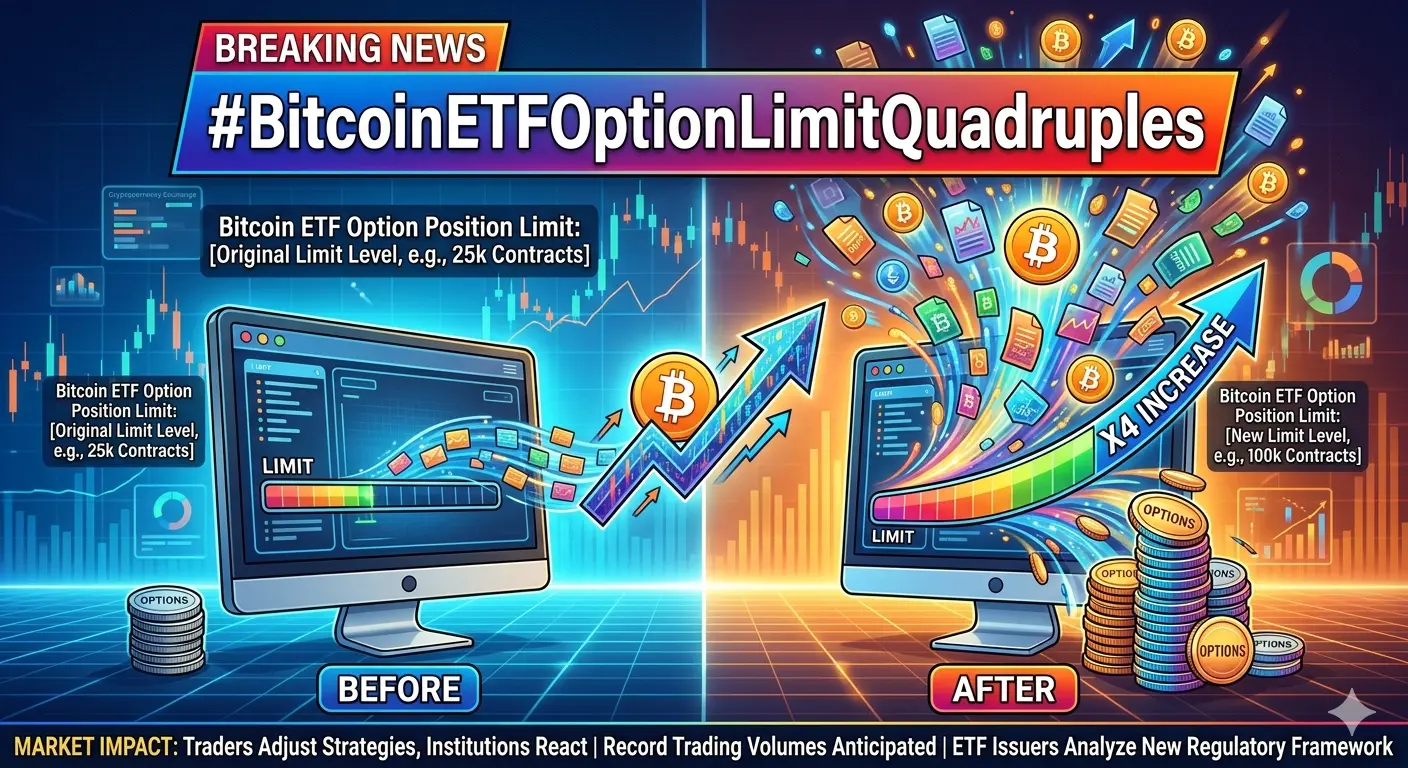
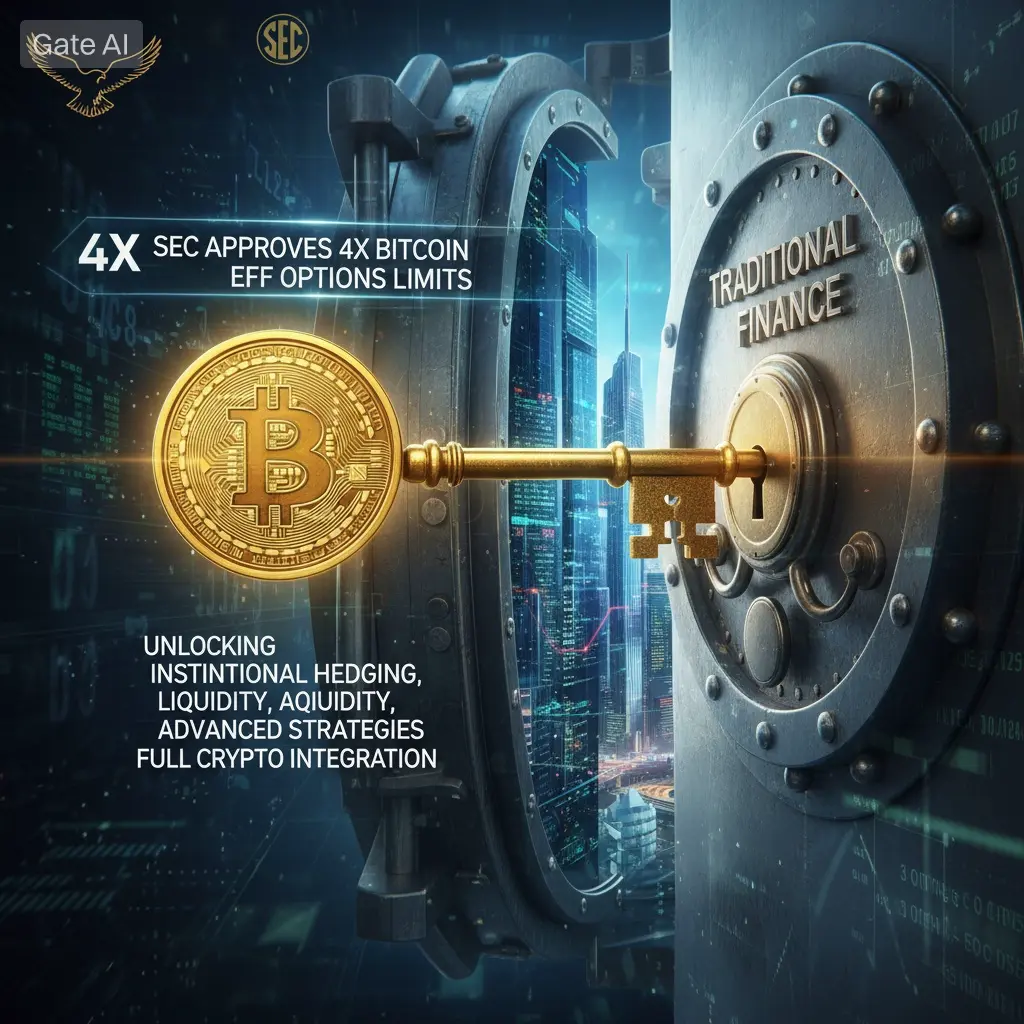
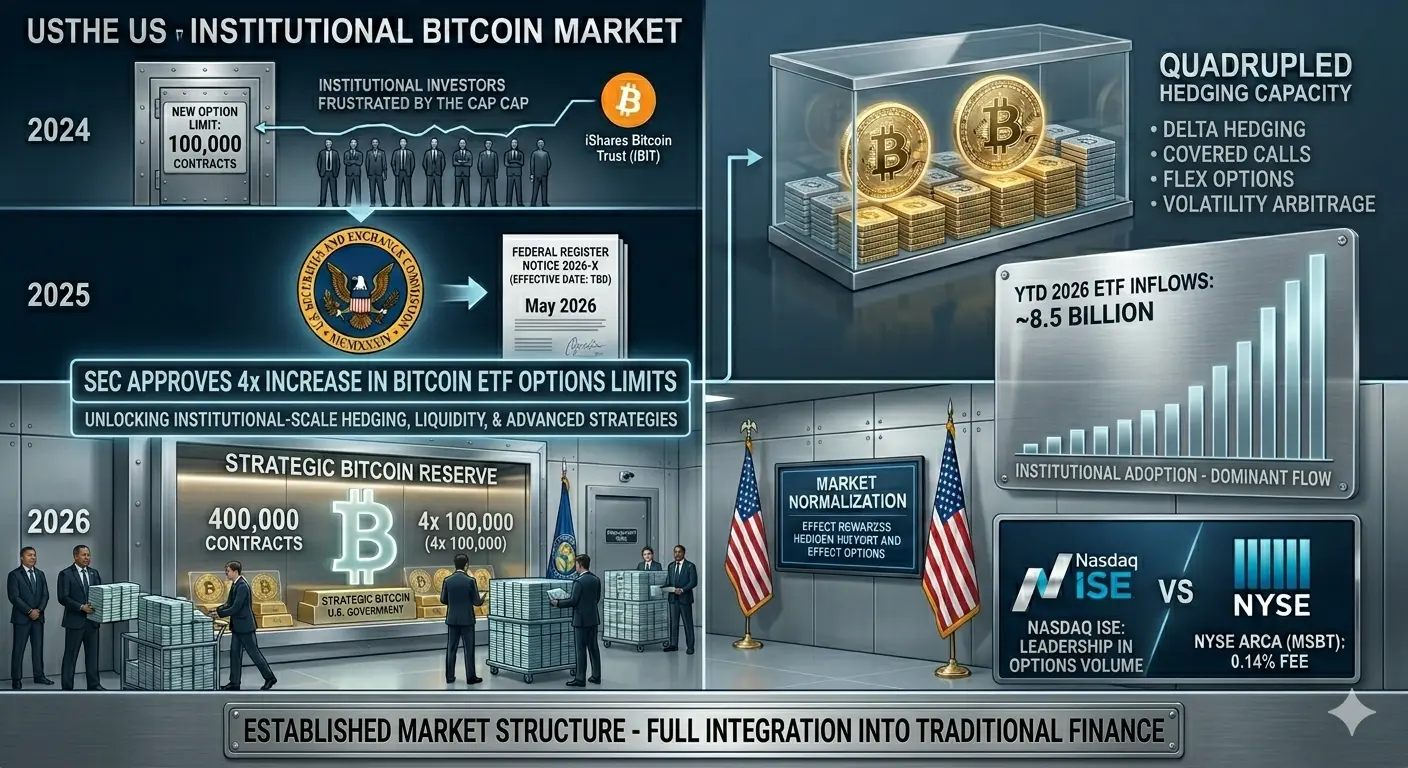
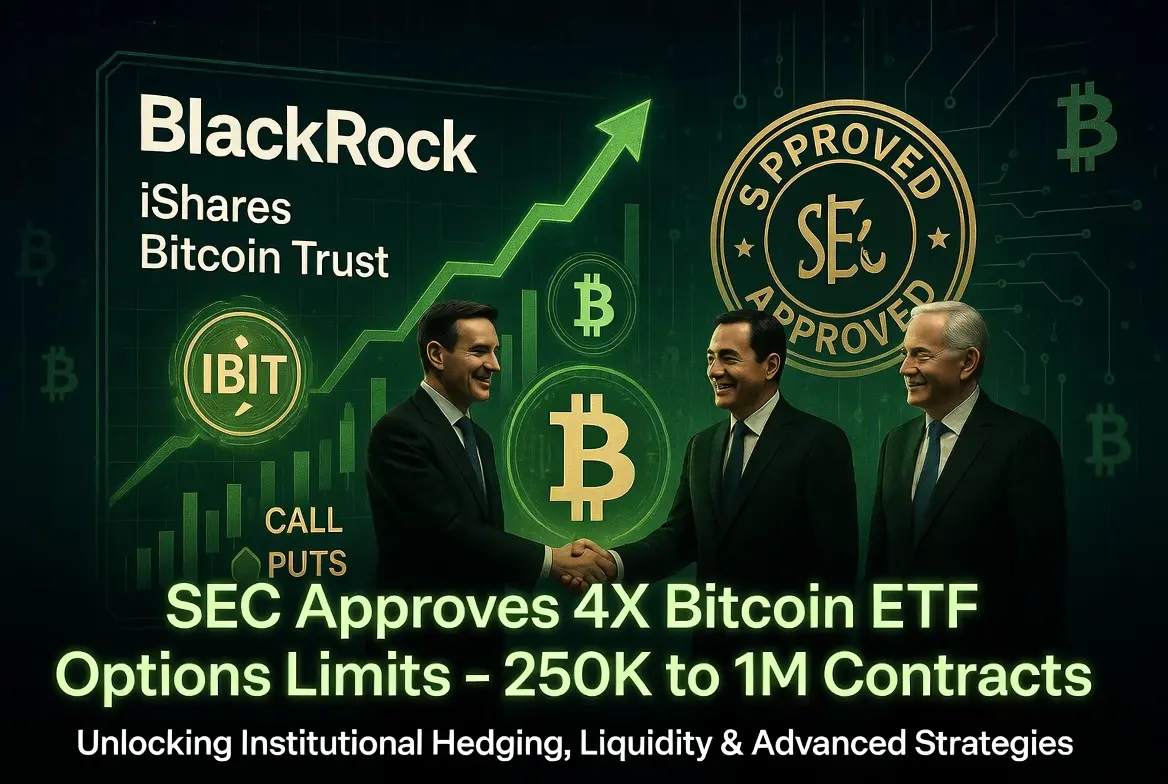
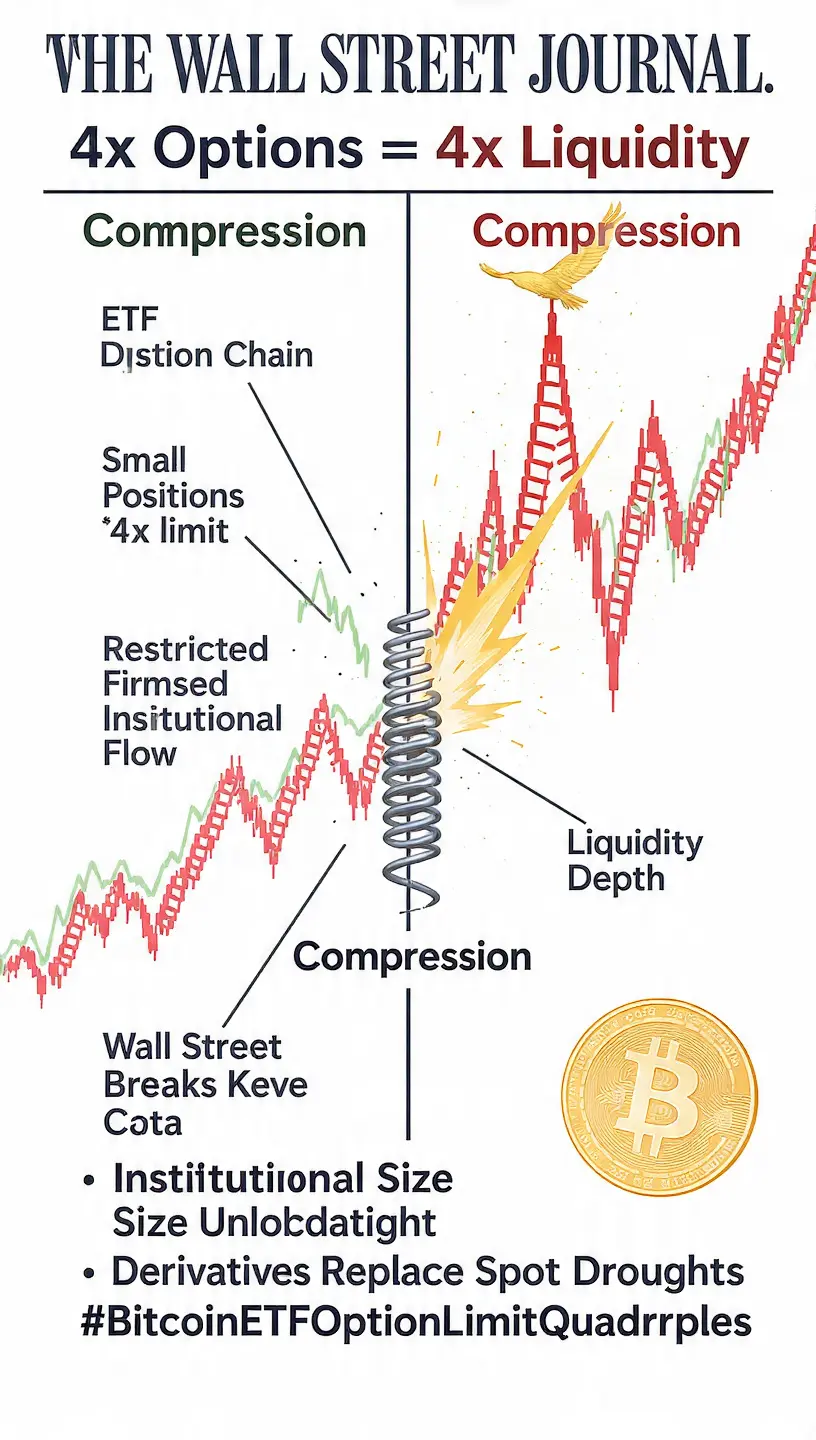
#BitcoinETFOptionLimitQuadruples
Bitcoin ETFs have now become the strongest structural force in the Bitcoin market, and in May 2026 their influence is more powerful than ever. The market is no longer being driven mainly by retail traders or short-term speculative spot demand. Instead, institutional ETF inflows are becoming the main engine behind Bitcoin’s price strength, liquidity absorption, and long-term supply compression. This shift changes how Bitcoin should be analyzed because ETF capital behaves differently from retail money—it is larger, slower, and much mo
BTC0.38%
post-image
post-image
post-image
  • Reward
  • 4
  • Repost
  • Share
AYATTAC:
LFG 🔥
View More
#GateSquareMayTradingShare
#BitcoinETFOptionLimitQuadruples
Bitcoin ETFs have now become the strongest structural force in the Bitcoin market, and in May 2026 their influence is more powerful than ever. The market is no longer being driven mainly by retail traders or short-term speculative spot demand. Instead, institutional ETF inflows are becoming the main engine behind Bitcoin’s price strength, liquidity absorption, and long-term supply compression. This shift changes how Bitcoin should be analyzed because ETF capital behaves differently from retail money—it is larger, slower, and much mo
BTC0.38%
Yusfirah
#GateSquareMayTradingShare
#BitcoinETFOptionLimitQuadruples
Bitcoin ETFs have now become the strongest structural force in the Bitcoin market, and in May 2026 their influence is more powerful than ever. The market is no longer being driven mainly by retail traders or short-term speculative spot demand. Instead, institutional ETF inflows are becoming the main engine behind Bitcoin’s price strength, liquidity absorption, and long-term supply compression. This shift changes how Bitcoin should be analyzed because ETF capital behaves differently from retail money—it is larger, slower, and much more strategic.
BlackRock’s IBIT continues to dominate the Bitcoin ETF sector and remains the clear institutional leader. It controls the largest share of Bitcoin held across all spot ETFs and continues attracting the strongest capital flows in the market. Recent inflow data confirms that IBIT remains the preferred institutional vehicle, which is a major signal because BlackRock’s network strength and distribution power give it a huge advantage over competitors. Every strong inflow into IBIT directly removes liquid BTC supply from the market, tightening supply and strengthening bullish pressure. This makes IBIT one of the most important indicators for Bitcoin’s future direction.
Fidelity’s FBTC remains one of the strongest alternatives and continues showing healthy inflow consistency, but its growth pace remains behind IBIT. While Fidelity has strong brand trust and a large financial ecosystem, the market clearly shows that BlackRock is absorbing the majority of fresh institutional capital. FBTC remains a smart long-term option for diversification, but the momentum leadership remains with IBIT.
Grayscale’s GBTC continues facing structural weakness despite holding older Bitcoin at lower acquisition costs. Its biggest issue remains its high fee structure, which continues driving investors toward cheaper alternatives like IBIT and FBTC. This fee difference may look small at first glance, but for institutions managing large positions, cost efficiency becomes critical over time. That is why GBTC continues experiencing outflows while competitors expand aggressively.
The most important part of the ETF battle is not simply who holds more Bitcoin—it is who controls future demand flow. IBIT’s average Bitcoin acquisition cost is higher because most of its aggressive accumulation happened during the high-price phases of late 2025 and 2026. This means institutions are willing to buy at premium prices, showing strong long-term conviction rather than short-term speculation. That type of buying behavior creates stronger market support.
Liquidity is now one of the biggest competitive advantages in ETF markets, and this is where IBIT remains ahead. Tight spreads, deeper market liquidity, and better execution quality make it the preferred choice for large institutional allocations. When institutions enter with size, liquidity quality matters more than almost anything else, and IBIT currently offers the strongest structure.
The bigger Bitcoin implication is massive. Spot market volume has weakened compared to previous cycle peaks, but ETF inflows continue replacing that lost retail demand. This creates a new market model where ETF demand becomes the dominant force behind supply absorption. That means Bitcoin’s future rallies may become less emotional and more structurally driven by institutional positioning.
My market view remains clear: as long as Bitcoin ETFs continue recording positive inflows and Bitcoin holds major liquidity support levels, the long-term bullish structure remains intact. If IBIT continues leading institutional demand at the current pace, Bitcoin’s path toward higher price expansion becomes stronger because supply pressure will continue tightening.
In this cycle, Bitcoin is not only reacting to macroeconomics, halving cycles, or retail hype anymore.
Bitcoin is increasingly reacting to ETF capital.
And right now, BlackRock’s IBIT is leading that capital war.
$BTC #SpotBitcoinETF #CryptoMarket
repost-content-media
  • Reward
  • 6
  • Repost
  • Share
AYATTAC:
To The Moon 🌕
View More
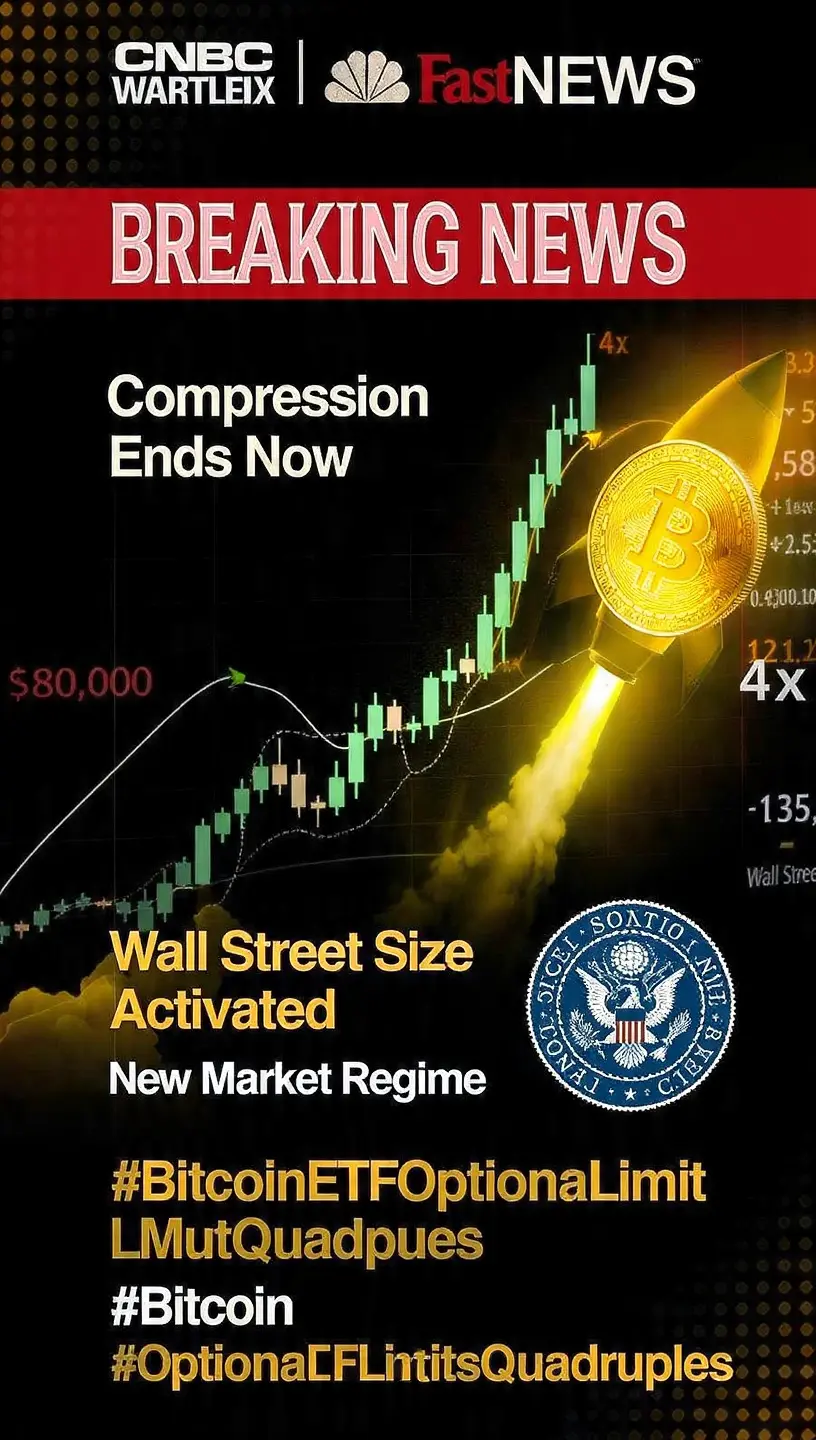
#BitcoinETFOptionLimitQuadruples
Bitcoin ETF Options Just Got a Major Upgrade: Position Limits Quadruple
The cryptocurrency derivatives landscape is undergoing a seismic shift as regulators greenlight massive increases in position limits for Bitcoin ETF options. This development represents one of the most significant structural changes in the crypto options market since the approval of spot Bitcoin ETFs.
**What Changed**
Cboe Global Markets has amended position and exercise limits for options on major Bitcoin ETFs, increasing them from 25,000 contracts to 250,000 contracts per side of the mar
BTC0.38%
post-image
post-image
  • Reward
  • 10
  • Repost
  • Share
MasterChuTheOldDemonMasterChu:
DYOR 🤓
View More
#BitcoinETFOptionLimitQuadruples
SEC Approves Quadrupling of Bitcoin ETF Options Position Limits: Institutional Derivatives Market Unlocks
The U.S. Securities and Exchange Commission has approved a landmark rule change that quadruples the position and exercise limits for options on the iShares Bitcoin Trust (IBIT), BlackRock's spot Bitcoin ETF. This regulatory milestone, formalized through Federal Register Notice 2025-14541 on August 1, 2025, marks a significant evolution in the cryptocurrency derivatives landscape and signals growing institutional acceptance of Bitcoin as a mature asset clas
BTC0.38%
ETH0.74%
post-image
post-image
post-image
post-image
post-image
  • Reward
  • 1
  • Repost
  • Share
WesamAlbnaa:
Go forward strongly 🚀
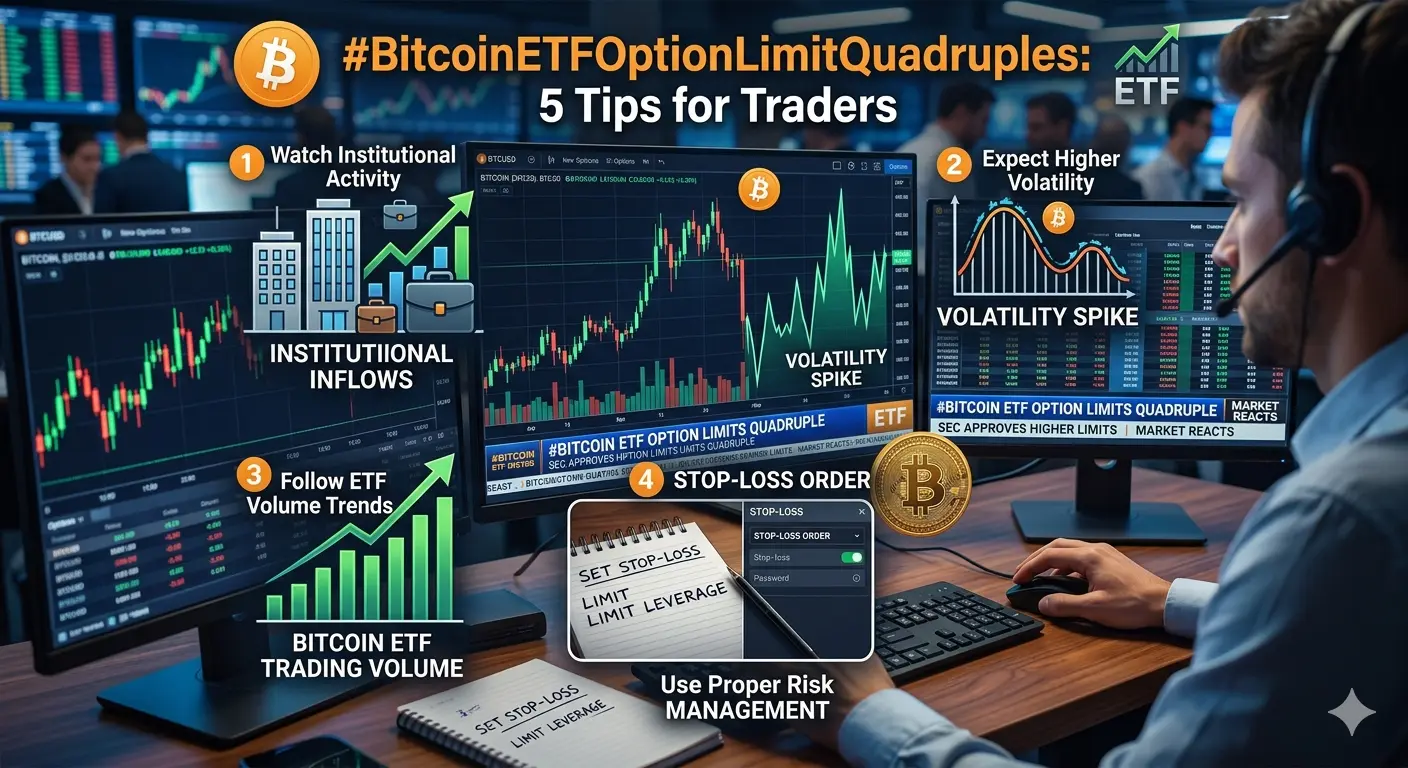
💡 5 Tips for Traders After #BitcoinETFOptionLimitQuadruples 📈
1️⃣ Watch Institutional Activity
Higher option limits may attract bigger players and increase market momentum.
2️⃣ Expect Higher Volatility
More options trading can lead to sharper BTC price swings — manage risk carefully.
3️⃣ Follow ETF Volume Trends
Rising ETF inflows and trading volume often signal growing investor confidence.
4️⃣ Use Proper Risk Management
Always set stop-loss levels and avoid overleveraging during volatile moves.
5️⃣ Stay Updated on Market News
ETF-related announcements can rapidly impact Bitcoin price action
BTC0.38%
post-image
  • Reward
  • Comment
  • Repost
  • Share
Crypto Market Update: Big Moves Ahead!
The crypto landscape is shifting rapidly as institutional interest reaches new heights. One of the most talked-about developments is the news that the US Seeks a Strategic Bitcoin Reserve, a potential game-changer for global finance. This move could solidify Bitcoin's role as a digital gold standard.
Furthermore, the market is buzzing as the Bitcoin ETF Option Limit Quadruples, providing massive liquidity and new strategies for traders. For those looking to prove their skills, the #WCTCTradingKingPK challenge is the place to be. Whether you're a long-term
BTC0.38%
post-image
post-image
  • Reward
  • Comment
  • Repost
  • Share
#BitcoinETFOptionLimitQuadruples 🚀 Bitcoin ETF Option Limit Quadruples – What It Means for the Market
The recent expansion in Bitcoin ETF option limits marks a major shift in how institutional investors can engage with crypto markets. The option exposure capacity has now quadrupled, opening the door for significantly higher trading volume and strategic positioning.
What Changed?
ETF option limits increased by 4x (quadrupled capacity)
Institutions can now take larger hedging and speculative positions
More liquidity expected in Bitcoin-linked derivatives markets
Why It Matters
This move is im
BTC0.38%
post-image
  • Reward
  • 6
  • Repost
  • Share
Yajing:
2026 GOGOGO 👊
View More
#BitcoinETFOptionLimitQuadruples
📊 Bitcoin ETF Option Limit Quadruples: A Surge in Market Confidence
A major development is unfolding as option limits on Bitcoin ETFs have been quadrupled—signaling growing institutional confidence and deeper market maturity. This expansion allows for greater liquidity, enhanced trading flexibility, and increased participation from large-scale investors.
As regulatory frameworks evolve, such moves highlight the accelerating integration of crypto assets into mainstream financial systems. The result? A more robust, dynamic, and opportunity-rich trading environm
BTC0.38%
post-image
  • Reward
  • 4
  • Repost
  • Share
CryptoDiscovery:
good information for sharing 💯
View More
#BitcoinETF #InstitutionalCrypto
Institutional Bitcoin Purchases and New-Generation ETFs
As of May 2026, the most talked-about topic in the crypto market comes down to one sentence: Institutions are back on stage. The news flow since the last week of April has shifted everyone’s focus, from retail investors to large funds, toward Bitcoin’s supply and demand balance.
1. Strategy’s 2.54 Billion Dollar Purchase
The transaction announced on April 20 was one of the largest single corporate Bitcoin purchases ever. Strategy chose to grow its reserves even if it raised its average cost. This mov
BTC0.38%
ETH0.74%
SOL0.22%
  • Reward
  • 38
  • Repost
  • Share
CryptoSelf:
LFG 🔥
View More
#加密市场行情震荡 The Convergence Era: Traditional Finance Meets Digital Assets 2026 is shaping up as a defining year for financial markets as traditional finance institutions deepen their involvement in digital assets. What was once viewed as a separate industry is now becoming part of mainstream global finance. Banks, asset managers, payment companies, hedge funds, and pension funds are increasingly integrating blockchain-based assets into their long-term strategies. This shift is not temporary curiosity. It reflects the growing belief that digital assets and blockchain infrastructure will remain
BTC0.38%
Falcon_Official
#加密市场行情震荡
The Convergence Era: Traditional Finance Meets Digital Assets
2026 is shaping up as a defining year for financial markets as traditional finance institutions deepen their involvement in digital assets. What was once viewed as a separate industry is now becoming part of mainstream global finance. Banks, asset managers, payment companies, hedge funds, and pension funds are increasingly integrating blockchain-based assets into their long-term strategies. This shift is not temporary curiosity. It reflects the growing belief that digital assets and blockchain infrastructure will remain a permanent part of the modern financial system.
Institutional Capital Flows Reshaping Markets
The approval and expansion of spot Bitcoin ETFs changed how institutions access crypto exposure. Instead of managing wallets, private keys, and exchange risk directly, institutions can now gain regulated access through familiar investment vehicles. This has attracted new pools of capital and changed Bitcoin’s market behavior.
Large asset managers have increasingly used market pullbacks as accumulation opportunities, signaling a more strategic approach than retail momentum trading. The presence of institutions has also improved liquidity, increased daily turnover, and strengthened confidence among traditional investors who previously stayed on the sidelines.
As institutional participation grows, Bitcoin is increasingly viewed not only as a speculative asset, but also as a macro hedge, portfolio diversifier, and long-term store of value.
Beyond Bitcoin: Tokenized Real-World Assets
The next major phase of adoption is moving beyond cryptocurrency exposure into tokenized real-world assets. Institutions are exploring blockchain-based versions of treasury products, bonds, real estate, private credit, and equity instruments.
This shift matters because tokenization can improve settlement speed, transparency, fractional ownership, and accessibility. Assets that were previously slow, expensive, or difficult to transfer may become more efficient through blockchain rails.
Many institutions now see tokenized assets as one of the largest long-term opportunities in finance because they combine the reliability of traditional assets with the efficiency of digital infrastructure.
Regulatory Clarity Accelerating Adoption
One of the biggest barriers to institutional adoption was regulatory uncertainty. That environment is changing rapidly. Clearer frameworks for stablecoins, custody, trading platforms, and market structure are encouraging traditional finance firms to move forward with greater confidence.
The United States, Europe, Asia, and the Middle East are all advancing digital asset rules that provide clearer standards for participation. This regulatory progress is reducing hesitation among large investors and enabling cross-border growth.
For institutions, legal clarity is often more important than market hype. As rules become clearer, participation becomes easier.
Stablecoins Becoming Settlement Infrastructure
Stablecoins are increasingly evolving into practical financial tools rather than niche crypto instruments. Businesses now recognize their value in payments, treasury management, and global transfers.
Key advantages include:
Faster international settlement
Lower transaction costs
24/7 transfer capability
Reduced banking friction
Greater transparency
Many corporations are now testing or deploying stablecoin solutions for supplier payments, internal transfers, and treasury efficiency. Traditional banks are also exploring hybrid systems where existing compliance frameworks remain in place while blockchain improves settlement speed.
This may become one of the most transformative blockchain use cases over the next decade.
Derivatives and Institutional Risk Management
Crypto derivatives markets are also maturing quickly. Futures, options, structured products, and hedging tools now allow institutions to manage risk using methods already common in traditional finance.
This has changed the profile of market participants. Instead of only directional speculation, more capital now enters markets for hedging, basis trading, volatility strategies, and portfolio balancing.
As a result, crypto markets increasingly resemble traditional financial markets in structure and sophistication.
Market Behavior Is Changing
Institutional involvement has changed how crypto markets trade:
Bid-ask spreads are tighter
Liquidity is deeper
Price inefficiencies close faster
Macro news has greater impact
Correlation with risk assets has increased
Markets that once moved mainly on retail sentiment now react more strongly to interest rates, inflation data, geopolitical events, and broader portfolio flows.
This does not eliminate volatility, but it changes its source.
Custody and Infrastructure Maturity
Institutions require professional infrastructure before allocating serious capital. That infrastructure now includes:
Multi-signature custody systems
Insurance-backed storage solutions
Compliance reporting tools
Institutional-grade execution systems
Real-time analytics and audits
Blockchain networks are also improving with faster settlement, lower fees, stronger uptime, and enterprise-focused capabilities.
These improvements make digital assets more compatible with institutional standards.
AI and Blockchain Integration
Another emerging theme is the combination of artificial intelligence with blockchain systems. Institutions are beginning to explore:
AI-powered trading models
Automated compliance monitoring
Smart treasury systems
Predictive risk analysis
Autonomous payment execution
As AI systems require trusted data and transparent execution, blockchain can provide the settlement and verification layer.
The Future Outlook
The line between traditional finance and digital finance is fading. Over time, markets may move toward a unified model where:
Tokenized assets trade globally
Stablecoins power cross-border transfers
Traditional banks integrate blockchain rails
DeFi tools merge with regulated finance
Digital custody becomes standard
This transition may happen gradually, but momentum is already visible.
Final Thoughts
The integration of traditional finance into digital assets is no longer a theory. It is an active structural transformation happening in real time. Institutional capital, regulation, infrastructure, and technology are all moving in the same direction.
The future may not be TradFi versus crypto.
It may simply be one global financial system powered by both.
#CryptoMarkets #InstitutionalAdoption #BitcoinETF #Tokenization
repost-content-media
  • Reward
  • 2
  • Repost
  • Share
AylaShinex:
2026 GOGOGO 👊
View More
Load More