

Trade
Basic
Futures
Futures
Hundreds of contracts settled in USDT or BTC
Options
HOT
Trade European-style vanilla options
Unified Account
Maximize your capital efficiency
Demo Trading
Futures Kickoff
Get prepared for your futures trading
Futures Events
Futures Mall
Participate in events to win generous rewards
Demo Trading
Use virtual funds to experience risk-free trading
Earn
Launch
CandyDrop
Collect candies to earn airdrops
Launchpool
Quick staking, earn potential new tokens
HODLer Airdrop
Hold GT and get massive airdrops for free
Launchpad
Be early to the next big token project
Alpha Points
NEW
Trade on-chain assets and enjoy airdrop rewards!
Futures Points
NEW
Earn futures points and claim airdrop rewards
Investment
Simple Earn
Earn interests with idle tokens
Auto-Invest
Auto-invest on a regular basis
Dual Investment
Buy low and sell high to take profits from price fluctuations
Soft Staking
Earn rewards with flexible staking
Crypto Loan
0 Fees
Pledge one crypto to borrow another
Lending Center
One-stop lending hub
VIP Wealth Hub
Customized wealth management empowers your assets growth
Private Wealth Management
Customized asset management to grow your digital assets
Quant Fund
Top asset management team helps you profit without hassle
Staking
Stake cryptos to earn in PoS products
Smart Leverage
NEW
No forced liquidation before maturity, worry-free leveraged gains
GUSD Minting
Use USDT/USDC to mint GUSD for treasury-level yields

More


Trending Topics
View More80.18K Popularity
52.78K Popularity
42.69K Popularity
17.44K Popularity
32.03K Popularity
Hot Gate Fun
View More- MC:$3.46KHolders:20.56%
- MC:$3.32KHolders:10.00%
- MC:$3.32KHolders:10.00%
- MC:$3.38KHolders:20.06%
- MC:$3.38KHolders:20.05%


Pin
Gate Square New & Returning Creator Rewards are ongoing!
Your ideas may be more valuable than you think!
Make your first post or come back post to share a $20,000 monthly prize pool!
Post with #MyFirstPostOnSquare to receive a $50 Position Voucher each
Monthly Top Posters and Top Engagers will each earn an extra $50 reward
Your crypto insights could inspire many—start creating today!
👉 https://www.gate.com/postGate Square “Creator Certification Incentive Program” — Recruiting Outstanding Creators!
Join now, share quality content, and compete for over $10,000 in monthly rewards.
How to Apply:
1️⃣ Open the App → Tap [Square] at the bottom → Click your [avatar] in the top right.
2️⃣ Tap [Get Certified], submit your application, and wait for approval.
Apply Now: https://www.gate.com/questionnaire/7159
Token rewards, exclusive Gate merch, and traffic exposure await you!
Details: https://www.gate.com/announcements/article/47889
ASTER recently made a big move—directly burning 77.8 million tokens, which is roughly $70 million by market value. This isn't just talk; the on-chain data proves it's a real operation. Plus, their S4 buyback plan is underway, meaning even more tokens will be locked up long-term. With this combo move, how will the market react?
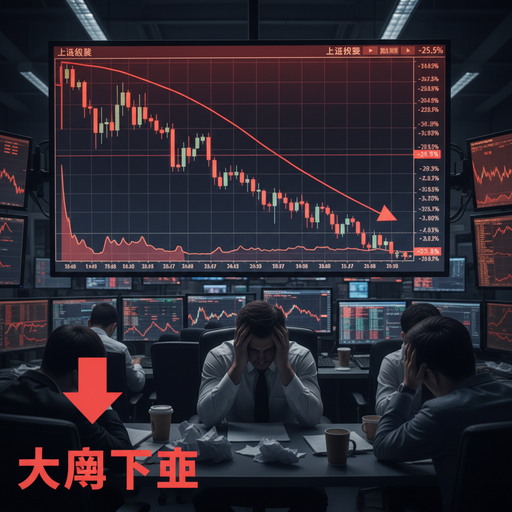
Interestingly, the price is dropping while the project team is aggressively burning tokens. At first glance, this logic seems counterintuitive. But if you think about it, they're reducing circulating supply and strengthening scarcity expectations. Now that their full-featured DEX application is live, it shows the project is no longer just a concept—they're delivering products.
So how should we position this project? Is it just a narrative token, or does it have real utility? Judging by their recent actions, they're trying to walk on two legs. On one hand, they've got hardcore features like cross-chain perpetual contracts (addressing real needs). On the other, they're telling a deflationary story through large-scale burns and buybacks (value capture logic). If both engines can fire at once, the impact could be much stronger than pure speculation.
So at this point, is it a risk or an opportunity? In the crypto market, short-term price swings often disconnect from long-term value. When everyone gets anxious about price drops, some capital will focus on fundamental changes. Burn mechanisms solidify the foundation, products build barriers—ASTER seems to be laying out a bigger game.
What do you think? Is this "aggressive building during price dips" strategy digging a pit or laying a foundation? Do you believe in the explosive potential of utility projects in a bull market?